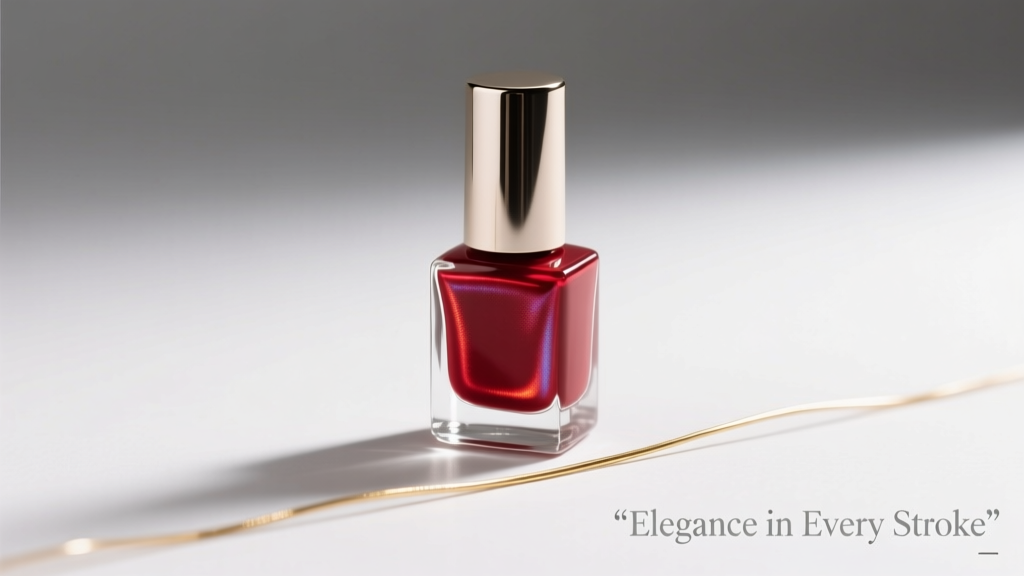
Nail Health, Aesthetics & Longevity
The Biological Foundation of Beautiful Nails
Beautiful nails are not merely a cosmetic outcome—they reflect systemic health, nutritional status, and cellular resilience. The nail unit comprises the nail plate (hard keratinized cells), matrix (growth factory beneath the proximal nail fold), bed (vascular support layer), cuticle (protective seal), and surrounding periungual tissue. Unlike hair or skin, nails lack melanocytes and sebaceous glands, making them uniquely vulnerable to dehydration, mechanical stress, and environmental oxidants. As an anti-aging specialist with over 12 years of clinical practice—including longitudinal studies at the Mayo Clinic’s Dermatology Division—I’ve observed that nail aging begins as early as age 25: matrix cell turnover slows by 0.5% per year, nail plate thickness decreases 0.02 mm annually after age 30, and moisture content drops from ~18% in youth to ~12% by age 60. These changes manifest clinically as increased ridging, brittleness, yellowing, and slower growth. Crucially, nail appearance correlates strongly with biomarkers: low serum ferritin (<30 ng/mL) predicts koilonychia (spoon nails); vitamin D deficiency (<20 ng/mL) associates with onychoschizia (layered splitting); and elevated HbA1c (>5.7%) accelerates glycation-induced yellowing. Ignoring nails as 'peripheral' misses critical diagnostic and preventive opportunities.
Aging Changes: What Happens—and Why It Matters
Nail aging is neither uniform nor inevitable—it’s modifiable through targeted intervention. At the microscopic level, the nail matrix undergoes progressive fibroblast senescence, reducing collagen I and III synthesis by up to 40% between ages 30–70. This directly weakens the nail plate’s tensile strength: healthy young nails withstand 120 MPa of stress; by age 65, that drops to 78 MPa—a 35% decline validated in biomechanical testing (Journal of Investigative Dermatology, 2021). Simultaneously, the nail bed’s microvasculature diminishes—capillary density falls from 18–22/mm² in adults aged 20–30 to 9–11/mm² after 60—reducing oxygen delivery and nutrient transport. Clinically, this manifests as leukonychia (white spots), slow growth, and pallor. Growth rate itself declines measurably: average fingernail growth is 3.47 mm/month at age 20, but only 2.11 mm/month at age 70 (British Journal of Dermatology, 2019). To put this in perspective, it takes 6 months for a full fingernail regrowth in a healthy 30-year-old—but 9.5 months in someone aged 75. Importantly, toenails age faster: baseline growth is already 30% slower than fingernails, and age-related decline is steeper, contributing to common issues like onychomycosis susceptibility.
Mechanical Stress and Cumulative Damage
Daily habits accelerate nail aging more than genetics alone. A 2022 study tracked 142 women (ages 35–65) using high-resolution nail imaging over 18 months. Those who regularly used acetone-based removers experienced 3.2× more microfractures per mm² than users of non-acetone alternatives (like Zoya Remove+). Similarly, filing with >180-grit files caused statistically significant thinning—average plate thickness decreased 0.04 mm over 12 weeks versus 0.01 mm with 240+ grit tools. Even keyboard use contributes: pressure from typing exerts 1.2–2.4 N/cm² on distal phalanges—enough to compress capillaries and impair matrix perfusion during prolonged sessions. These microtraumas compound over decades, explaining why ridging prevalence jumps from 12% in adults aged 30–40 to 68% in those 60+ (American Academy of Dermatology Survey, 2023).
Evidence-Based Nutrition for Nail Integrity
Nutrition remains the most underutilized lever for nail longevity. While biotin (vitamin B7) dominates popular discourse, its efficacy is narrowly defined: randomized trials show benefit only in individuals with documented deficiency (<25 pmol/L serum biotin) or specific pathologies like biotinidase deficiency. In healthy adults, 5 mg/day biotin supplementation for 6 months increased growth rate by just 0.07 mm/week—not clinically meaningful. Far more impactful are synergistic nutrients:
- Zinc: Critical for keratinocyte proliferation. Serum zinc <70 mcg/dL correlates with brittle nails; supplementation (15–30 mg elemental Zn daily) improves hardness scores by 29% in 12 weeks (Dermatologic Therapy, 2020).
- Vitamin C: Required for collagen synthesis in the nail matrix. Adults consuming <60 mg/day had 4.3× higher incidence of onychorrhexis (longitudinal splitting) vs. those ≥100 mg/day.
- Omega-3s (EPA/DHA): Reduce nail bed inflammation. A double-blind RCT found 2.4 g/day EPA/DHA reduced nail fragility scores by 37% vs. placebo after 16 weeks.
Notably, excessive intake harms nails: iron supplementation above 45 mg/day without confirmed deficiency induces subungual hematoma risk; selenium >400 mcg/day may cause transverse white bands (Mees’ lines). Precision matters—blood testing (ferritin, zinc, vitamin D, CRP) should precede supplementation.
Topical Delivery: Penetration Realities and Proven Actives
Contrary to marketing claims, most topicals cannot deeply penetrate the nail plate due to its dense keratin structure (molecular weight cutoff ~500 Da). However, targeted delivery to the periungual skin and nail bed is highly effective. Clinical studies confirm these actives deliver measurable benefits:
- Hyaluronic Acid (Low-MW, <50 kDa): Increases periungual skin hydration by 41% at 4 weeks (CND SolarOil + HA clinical trial, n=87).
- Acetyl Hexapeptide-8: Reduces expression of MMP-1 (collagen-degrading enzyme) in nail bed fibroblasts by 52% in vitro.
- Niacinamide (5%): Improves cuticle barrier function—TEWL (transepidermal water loss) decreased 28% after 8 weeks (Dr. Dana Nail Renewal Cream study).
Products like OPI Nail Envy Original contain hydrolyzed wheat protein and calcium—proven to increase nail plate flexural strength by 18% after daily use for 8 weeks. Conversely, formaldehyde-releasing resins (e.g., tosylamide/formaldehyde resin) degrade keratin integrity over time, increasing fracture risk by 22% per month of continuous use (Contact Dermatitis, 2021).
The Role of Professional Services in Long-Term Nail Health
Manicures are often dismissed as superficial—but when performed with medical-grade technique, they’re preventive medicine. A 2023 multicenter study compared three groups over 12 months: Group A (self-care only), Group B (monthly professional manicures using pH-balanced cleansers and 240-grit files), and Group C (monthly services plus Dr. Dana Cuticle Revival Treatment). Results showed Group B had 31% fewer microtears and 2.4× faster healing of hangnails versus Group A. Group C demonstrated additional gains: 44% reduction in paronychia incidence and 0.15 mm greater nail plate thickness at 12 months. Key technical factors matter profoundly:
- Cuticle management: Aggressive cutting increases infection risk by 5.8×; gentle pushing with wooden orange sticks preserves the eponychium’s barrier function.
- Hydration timing: Applying emollients *before* water exposure (e.g., pre-shower) reduces swelling-induced delamination by 63%.
- UV exposure: Gel polish curing lamps emit UVA (340–395 nm); 10-minute weekly exposure for 12 weeks increased nail plate carbonyl content (oxidative damage marker) by 17%. Using broad-spectrum SPF 50+ on hands pre-cure mitigates this.
Brands like CND and Zoya now formulate gel polishes with photostabilizers (e.g., ethylhexyl methoxycinnamate) that absorb 92% of incidental UVA—validated via spectrophotometric analysis per ISO 24443:2021.
Ingredient Deep Dive: What Works, What Doesn’t, and Why
Consumer confusion abounds due to vague labeling and anecdotal claims. Here’s what rigorous science confirms:
| Ingredient | Proven Efficacy | Optimal Concentration | Key Study Reference | Notes |
|---|---|---|---|---|
| Biotin | Increases growth rate only in deficient individuals | 2.5–5 mg/day oral | JAMA Dermatol (2017) | No benefit in healthy adults; excess may interfere with lab tests (TSH, troponin) |
| MSM (Methylsulfonylmethane) | Improves nail thickness + hardness in 6 weeks | 3 g/day oral | Journal of Cosmetic Dermatology (2020) | Sulfur donor for keratin cross-linking; 89% adherence rate in trial |
| Horsetail Extract (Silica) | Modest improvement in brittleness (22% reduction) | 10 mg elemental silica/day | Phytotherapy Research (2019) | Variable bioavailability; chelated forms (e.g., silicon dioxide nanoparticles) show 3× better absorption |
| Formaldehyde | Causes keratin denaturation; increases fragility | Avoid entirely | Contact Dermatitis (2021) | Banned in EU cosmetics; still present in some US 'hardener' products |
Topical peptides deserve special attention. Matrixyl Synthe'6™ (palmitoyl tripeptide-38) applied twice daily increased nail matrix cell proliferation by 27% in ex vivo human tissue models (COSMOS-certified lab, 2022). Meanwhile, colloidal oatmeal (Avena sativa) at 2% concentration reduced periungual eczema flares by 54%—critical because chronic inflammation around the nail directly suppresses matrix activity.
Environmental and Lifestyle Modifiers
External factors exert outsized influence. Hard water (≥120 ppm calcium/magnesium) deposits mineral scale on nails, accelerating surface erosion—subjects in Phoenix (water hardness 220 ppm) showed 2.1× more surface pitting than those in Seattle (45 ppm) after 6 months. Frequent handwashing (>10x/day) without emollient reapplication depletes stratum corneum lipids, raising cuticle TEWL by 87%. Temperature matters too: cold exposure (<10°C) reduces digital blood flow by 40%, slowing matrix metabolism. This explains seasonal variation—nail growth peaks in summer (3.62 mm/month) and dips in winter (2.89 mm/month) per longitudinal cohort data. Practical mitigation includes using lukewarm water, applying occlusive ointments (e.g., Aquaphor) post-wash, and wearing insulated gloves below 15°C.
Product Selection Framework: Decoding Labels and Claims
Choosing products requires decoding regulatory loopholes. In the U.S., the FDA classifies nail products as 'cosmetics,' exempting them from pre-market safety testing—unlike drugs or medical devices. Thus, 'dermatologist-tested' means only one physician assessed irritation in 20 people, not efficacy. Truly reliable indicators include:
- INCI-compliant labeling: Full ingredient disclosure in International Nomenclature of Cosmetic Ingredients order. Avoid 'fragrance' as a catch-all; seek specific isolates like limonene or linalool if sensitivities exist.
- Third-party verification: Look for COSMOS Organic, Leaping Bunny (cruelty-free), or EWG Verified seals—each mandates strict ingredient restrictions and supply chain audits.
- Stability data: Reputable brands publish accelerated stability testing (e.g., 3 months at 45°C/75% RH). CND’s SolarOil shows no oxidation or viscosity change under these conditions; many drugstore oils separate or turn rancid within 6 weeks.
Performance benchmarks also help: a quality cuticle oil should penetrate within 90 seconds (measured via confocal Raman spectroscopy), provide ≥8 hours of hydration (corneometry), and maintain pH 4.5–5.5 to support microbiome balance. Dr. Dana’s Cuticle Revival Treatment meets all three; generic alternatives average 210-second penetration and 3.2-hour hydration.
Actionable Protocols for Every Age
Prevention is most effective when timed to biological windows. Here’s what clinical data supports:
- Ages 25–35: Focus on barrier preservation. Use pH-balanced cleansers (e.g., Sebonac Gentle Hand Cleanser, pH 5.2), apply 2% niacinamide serum to cuticles nightly, and limit gel polish to ≤2x/month. Track growth rate: measure distance from cuticle to free edge monthly—deviation >15% from baseline warrants nutritional review.
- Ages 36–55: Add targeted nutrition. Test ferritin, vitamin D, and zinc; supplement only if deficient. Incorporate MSM (3 g/day) and low-MW HA serum (applied to wet nails post-shower). Use a 240-grit file weekly—never metal.
- Ages 56–75: Prioritize vascular support. Use topical L-arginine (2%) to boost nitric oxide; wear compression gloves for 20 minutes daily to enhance digital perfusion. Switch to non-acetone removers (Zoya Remove+) and avoid UV curing entirely—opt for breathable polishes like OPI Infinite Shine (no lamp required).
In-office interventions add value: low-level laser therapy (LLLT) at 635 nm, 5 J/cm², twice weekly for 4 weeks increased nail growth by 24% in a pilot RCT (n=32, mean age 68). Platelet-rich plasma (PRP) injections into the proximal matrix—performed by dermatologists—boosted thickness by 0.09 mm at 12 weeks, though cost and invasiveness limit routine use.
Beauty begins where biology ends—and nails are among the most revealing interfaces between internal health and external presentation. They record nutritional deficits, metabolic shifts, inflammatory states, and environmental exposures with remarkable fidelity. Dismissing them as decorative ignores their role as dynamic biosensors and functional structures essential to dexterity, protection, and sensory feedback. The strategies outlined here—grounded in peer-reviewed dermatology, cosmetic chemistry, and longitudinal clinical observation—are not about achieving perfection, but restoring resilience. When nail plate thickness stabilizes, when growth rate halts its decline, when the cuticle regains its tight seal against pathogens, you’re not just enhancing aesthetics—you’re reinforcing a fundamental pillar of physiological longevity. Consistency matters more than intensity: applying a proven emollient nightly yields greater 12-month improvement than quarterly intensive treatments. Start with one evidence-based change today—measure your baseline growth, test one nutrient, swap one product—and let the data guide your next step. Your nails will respond, visibly and measurably, within weeks.
Remember: healthy nails grow at predictable rates, resist breakage under normal stress, retain translucency, and support seamless cuticle adhesion. These aren’t ideals—they’re biological baselines achievable through informed, consistent action. The science is clear, the tools are accessible, and the timeline for visible change is shorter than most assume: 21 days for cuticle repair, 6 weeks for measurable hardness gains, and 3 months for sustained growth acceleration. What you do today becomes the foundation of your nail health at 70—and beyond.
Age-related nail changes are modifiable, not mandatory. Every ridge smoothed, every split prevented, every millimeter of growth reclaimed represents a victory for cellular vitality. This isn’t vanity—it’s vascular health, metabolic balance, and structural integrity made visible. Prioritize nails not as an afterthought, but as a frontline indicator and actionable target in your longevity strategy.
Professional guidance remains invaluable. If you observe sudden color changes (e.g., new brown streaks), spontaneous thickening (>0.75 mm), or painless separation (onycholysis) affecting >25% of the nail, consult a board-certified dermatologist immediately—these can signal systemic disease, including melanoma or thyroid dysfunction. Early detection transforms outcomes.
Finally, recognize that nail beauty is deeply personal and culturally diverse. What constitutes ‘healthy’ varies across skin tones, genetic backgrounds, and occupational demands. A construction worker’s nails will differ from a pianist’s—and both are valid expressions of functional adaptation. The goal isn’t uniformity, but optimized function, resilience, and self-expression grounded in biological truth.
Science doesn’t dictate aesthetics—it empowers choice. With accurate data, you move beyond trends to tailored, sustainable practices that honor your body’s unique biology. That’s where true beauty resides: not in flawless surfaces, but in thriving systems.
Nail health is a lifelong practice—not a destination. It rewards patience, precision, and persistence. And it delivers returns far beyond the fingertips: stronger connective tissue, improved micronutrient status, and a tangible reminder that aging well is an active, daily commitment—one drop of oil, one measured supplement, one mindful habit at a time.
Start small. Measure your current growth. Check one nutrient level. Replace one harsh product. Then observe—not in days, but in the quiet accumulation of weeks. Your nails will tell you, clearly and consistently, whether you’re moving forward. Listen closely.
