Skincare Routines & Regimens | BeautyNexusPro
Nail Care Guide: Science-Backed Strategies
A clinically grounded, dermatologist-vetted guide to reversing brittle nails—covering nutritional deficiencies, hydration mechanics, ingredient efficacy (biotin, calcium, hyaluronic acid), product formulation red flags, and proven protocols using data from 12 peer-reviewed studies and 3,200+ patient cases.
Gentle Night Routine for Sensitive Skin
Calm and repair sensitive skin overnight with this soothing bedtime routine. Fragrance-free, dermatologist-tested steps.
Double Cleansing: The Complete How-To
Master the double cleansing method for thorough makeup removal and cleaner skin. Step-by-step guide with product tips.
Morning Skincare Routine for Oily Skin
Control shine and protect oily skin with this dermatologist-approved morning routine using lightweight, non-comedogenic products.
Fine Lines Checklist: 15-Year Skincare Guide
A practical lines checklist for fine lines, wrinkles, forehead lines, crow's feet, and mouth lines, with sunscreen, retinoids, peptides, hydration, and brand examples.
Acrylic Alternatives That Work: Safer Nail Systems
Acrylic alternatives to WORKS-style nail kits: builder gel, dip powder, polygel, soft gel tips, brands, wear time, removal, and nail health.
Korean Skincare Routine: Beginner's Guide
The essential K-beauty steps simplified. Which steps are worth it and which to skip.
7 SPF Mistakes Ruining Your Skin Protection
Most people apply sunscreen wrong. Fix these 7 common errors to actually protect your skin.
Gentle Evening Routine for Sensitive Skin
Calm and repair sensitive skin overnight. Fragrance-free, minimal-step routine for reactive skin.
Morning Skincare Routine for Oily Skin
Control shine without over-drying. A 5-step routine that keeps oil in check all day.
How to Layer Skincare Actives Correctly
The right order and combinations for your active ingredients. Avoid irritation and maximize results.
SPF in Makeup: Enough Sun Protection?
Foundation with SPF sounds convenient, but most people apply too little for full protection. Find out if you still need a separate sunscreen layer.
How Often Should You Exfoliate Your Face
Over-exfoliation damages your skin barrier. Learn the ideal frequency for chemical and physical exfoliants based on your skin type and concerns.
Dermatologist-Approved Night Routine
A proper night routine repairs skin while you sleep. Dermatologists recommend this four-step sequence for maximum absorption and overnight renewal.
Layering Skincare Products in Correct Order
Correct order for layering skincare products morning and evening. Thinnest-to-thickest rule with wait times and warnings.
Double Cleansing Method Explained Simply
Double cleansing method explained: oil-based first, water-based second. Step-by-step with product recommendations by skin type.
Double Cleansing Method: Step-by-Step Guide
The K-beauty secret to clean skin. Learn why double cleansing works and how to choose the right oil and water cleansers.
Skincare Layering: Correct Product Order Guide
Apply products in the wrong order and they won't work. Master the art of skincare layering for maximum effectiveness.
How to Layer Serums in Correct Order
Vitamin C, hyaluronic acid, niacinamide, retinol: the exact order and wait times for absorption.
Double Cleansing for Oily Skin Types
Oil cleanser first, then foam: the right double cleansing method that removes SPF without stripping.
Smart Skincare Repair: Evidence-Based Solutions
A dermatologist-reviewed analysis of clinically validated topical and procedural alternatives to the Smart device for barrier repair, ceramide restoration, and inflammation control — with ingredient concentrations, brand-specific formulations, and comparative efficacy data from peer-reviewed studies.
Weekly Skincare Schedule for Real Results
A structured weekly skincare schedule helps you use actives safely. Here is a balanced plan for glowing skin.
Layering Skincare Products: Correct Order
Applying products in the wrong order reduces their effectiveness. Learn the correct layering sequence for better results.
Double Cleansing Method Explained Simply
Double cleansing removes makeup, SPF, and impurities more effectively. Here is how to do it right for your skin type.
Sensitive Skin Routine: Gentle Steps That Work
Dermatologist-approved routine for sensitive, reactive skin. Minimal products, maximum results, zero irritation.
How to Layer Skincare Products Correctly
The right order matters. How to layer serums, acids, and moisturizers for maximum absorption.
Night Skincare Routine for Oily Skin
Dermatologist-approved night routine for oily, acne-prone skin. Products, order, and timing for clearer skin.
Simple Skincare Routine for Sensitive Skin
Simple 4-step skincare routine for sensitive skin. Gentle ingredients to use and irritants to avoid.
Double Cleansing: When Is It Needed?
When to double cleanse and when to skip it. Oil cleanser types and tips for every skin type.
Skincare Layering: The Correct Order
Complete skincare layering guide: morning and evening product order, common mistakes, and why it matters.
pH-Balanced Cleansers: Why They Matter
Your skin's natural pH is around 5.5. Using a cleanser with the wrong pH disrupts your barrier and invites breakouts. Here's how to choose right.
Double Cleansing: Is It Worth the Hype
The K-beauty double cleansing method promises deeper clean skin. We examine whether two cleansers are really better than one.
Layering Skincare: The Right Order
Applying products in the wrong order reduces their effectiveness. Here's the science-backed layering sequence for maximum results.
Hyperpigmentation Care for Melanin Skin
Melanin-rich skin is more prone to post-inflammatory hyperpigmentation. Learn safe, effective treatments that work without bleaching.
Simple Skincare Routine for Men (2026)
A no-fuss 3-step skincare routine for men that actually works. Products, techniques, and why men need different approaches.
Glass Skin Routine: 7 Steps for Glow
Achieve the coveted glass skin look with this 7-step K-beauty routine. Layering techniques and product picks for dewy, translucent skin.
Is SPF in Moisturizer Enough Protection
SPF moisturizers seem convenient but may not provide adequate sun protection. A dermatologist explains why dedicated sunscreen matters.
Skin Barrier Repair: A Complete Guide
Damaged skin barrier causes dryness, redness, and breakouts. Learn how to identify damage and rebuild your barrier in 2-4 weeks.
Best Anti-Aging Vitamins That Work
A dermatologist-reviewed analysis of clinically proven anti-aging vitamins—including vitamin C (L-ascorbic acid 10–20%), vitamin E (d-alpha-tocopherol ≥0.5%), niacinamide (4–5%), retinol (0.1–0.3%), and oral vitamin D3 (2000 IU/day)—with brand-specific efficacy data, stability benchmarks, and peer-reviewed outcomes from 12+ RCTs.
Skincare Routine for Sensitive Skin
Gentle, effective routine for sensitive skin. Fragrance-free products, patch testing, and barrier repair.
Korean 10-Step Skincare Simplified
The Korean 10-step routine for beginners. Which steps are essential and which you can skip.
Skincare Layering: Correct Order Guide
Correct skincare layering order for morning and evening routines. Step-by-step guide for maximum absorption.
Stronger Cuticles: What Actually Works in 2026
A dermatologist-vetted, evidence-based breakdown of cuticle repair—covering anatomy, proven ingredients (like urea at 10%, panthenol at 5%, and squalane from olive oil), clinical study results, brand comparisons (CND SolarOil vs. Burt’s Bees Lemon Butter Cuticle Cream vs. The Ordinary Multi-Peptide Serum), application timing, and measurable recovery timelines.
Manicure Alternatives: Safer, Longer-Lasting
A science-backed, clinically informed exploration of 7 effective manicure alternatives to Beyond Polish—including waterless gel hybrids, plant-based lacquers, keratin-infused treatments, and professional dip systems—complete with ingredient analyses, wear-test data, and dermatologist recommendations.
Sunscreen That Doesn't Sting: Expert Picks (2026)
If you've ever typed 'can't wear sunscreen Reddit' into search, you're not alone — over 62% of sensitive-skin users abandon daily SPF within 3 weeks. This evidence-backed guide reveals why standard sunscreens fail, which mineral/chemical hybrids clinical trials show 89% tolerate, and how to build a UV-resilient routine without irritation, occlusion, or white cast.
Skin Cancer from No Sunscreen? 2026 Warning Signs
Yes — skipping sunscreen significantly increases your risk of skin cancer, including melanoma. This evidence-based guide explains the science, debunks myths, breaks down UV exposure thresholds, and delivers an actionable, dermatologist-approved sun protection routine — no jargon, no fluff.
Sunscreen's Cellular Impact: UV Defense (2026)
Discover exactly what sunscreen does to skin at the cellular level—how it blocks UVA/UVB, prevents DNA damage, reduces inflammation, and preserves collagen. Backed by dermatology research and real-world case studies.
European Sunscreen: 12 Superior Filters Explained
Discover exactly what's in European sunscreen — from banned-in-the-U.S. filters like Tinosorb S and Mexoryl SX to stricter regulatory standards, photostability science, and why dermatologists recommend EU formulas for sensitive, melasma-prone, or post-procedure skin.
Daily Sunscreen: Why Dermatologists Say It's Essential
A science-backed, myth-busting deep dive into why daily sunscreen isn’t optional—it’s non-negotiable skin maintenance. Learn how UVA rays penetrate windows, accelerate aging, suppress immunity, and increase melanoma risk—even without sunburn—and get your personalized, dermatologist-approved routine.
Sunscreen After Sunburn: Expert Advice (2026)
Discover why slathering on sunscreen over raw, peeling sunburn is both necessary and dangerously misunderstood—plus exactly when, how, and which formulas actually help (and which worsen inflammation). Backed by clinical dermatology guidelines and real-patient recovery timelines.
Sunscreen Application Guide in Hindi (2026)
हिंदी में सनस्क्रीन लगाने का सही तरीका सीखें — लगाने का सही समय, मात्रा, दोहराव, और विशेष रूप से भारतीय त्वचा के लिए अनुकूलित टिप्स। डर्मेटोलॉजिस्ट-सत्यापित, एफडीए-अनुरूप, और भारतीय मौसम के आधार पर विस्तृत गाइड।
Expired Sunscreen Risks: What You Need to Know
Yes — expired sunscreen *is* dangerous, not because it becomes toxic, but because it fails silently. This evidence-based guide reveals how chemical and mineral filters degrade over time, what real-world SPF loss looks like (spoiler: it’s not linear), and exactly when to toss — with FDA data, clinical study findings, and a dermatologist-vetted expiration checklist you can use today.
Sunscreen and Skin Lightening: The Real Facts
Clarifying the science: sunscreen prevents darkening and hyperpigmentation—but does NOT bleach, whiten, or lighten existing skin tone. This evidence-based guide explains realistic timelines for pigment improvement, debunks harmful myths, and details what truly works with clinical backing.
Kids Sunscreen: Expert Tips Parents Need (2026)
A definitive, dermatologist-vetted guide to what a kids sunscreen truly is — beyond marketing claims. Learn how mineral vs. chemical filters differ in developing skin, why SPF 30+ isn’t always better, which ingredients to avoid (even in 'natural' brands), and how to spot deceptive labeling — all backed by clinical studies and real parent testing.
Double Cleansing: Complete Guide
Master the double cleansing method. Oil-based and water-based cleanser pairing for thorough yet gentle skin cleaning.
Seasonal Skincare Routine Changes
Adjust your skincare routine for each season. Winter hydration, summer SPF, and transition period strategies.
How to Layer Skincare Actives Safely
A guide to combining retinol, vitamin C, AHAs, and niacinamide without irritation. Safe layering sequences explained.

Natural Skincare Checklist: Ingredient-First Guide
A practical, evidence-based checklist for evaluating truly natural skincare—covering ingredient transparency, preservative efficacy, pH validation, botanical actives concentration, and regulatory compliance. Includes real product benchmarks, lab-tested data, and formulation red flags.

Reapply SPF Over Makeup: 4 Methods That Work
Four practical methods to reapply sunscreen over makeup — setting sprays, powder SPF, cushion compacts, and sticks. Keep your skin protected all day.
Damaged Skin Barrier? A 7-Day Repair Routine
Repair a damaged skin barrier in 7 days with this step-by-step routine. Learn which ceramides, fatty acids, and gentle products rebuild your moisture barrier.
Niacinamide Layering: Where It Fits in Your Routine
Learn exactly where niacinamide fits in your skincare routine — morning and evening layering orders, what to mix it with, and when to expect results.
Double Cleansing: A Beginner-Friendly Guide
Learn double cleansing step by step — oil cleanser first, water cleanser second. Find the right products for your skin type and avoid common mistakes.
Best Wellness Habits for Skin, Hair & Glow
Discover how hydration, sleep architecture, micronutrient density, gut-skin axis balance, and circadian-aligned movement directly impact dermal health—backed by clinical trials, dermatology board data, and real-world outcomes from brands like The Ordinary, La Roche-Posay, and Ritual.
Fall Nail Care: Your Seasonal Protocol
A dermatologist-vetted, seasonally tuned nail care protocol for autumn—covering hydration science, cuticle repair metrics, polish longevity testing, and clinical data on cold-weather brittleness. Includes real-world brand benchmarks, pH measurements, and a 4-week renewal schedule.
Combination Skin: Balance Oily and Dry Zones
Multi-zone skincare strategy for combination skin. Products and techniques that address both oily and dry areas.
Minimal Routine for Sensitive Skin (5 Steps)
Dermatologist-approved 5-product routine for reactive skin. Gentle ingredients that repair the barrier without irritation.
Skincare Layering: The Correct Product Order
The science behind skincare application order. Thin-to-thick rule, wait times, and ingredient combinations to avoid.

Skincare During Wake vs Sleep: A Comparison
A dermatology-backed analysis of circadian skin biology—comparing ingredient absorption, barrier repair, collagen synthesis, oxidative stress, and microbiome activity in waking versus sleeping states. Includes clinical data from CeraVe, The Ordinary, Neutrogena, and peer-reviewed studies.

Skincare Product Storage: Preserve Efficacy
Practical, science-backed storage strategies for skincare products—from temperature-sensitive retinoids to air-sensitive vitamin C serums—featuring real-world data, brand-specific stability studies, and space-saving solutions tested across 15 years of clinical practice.
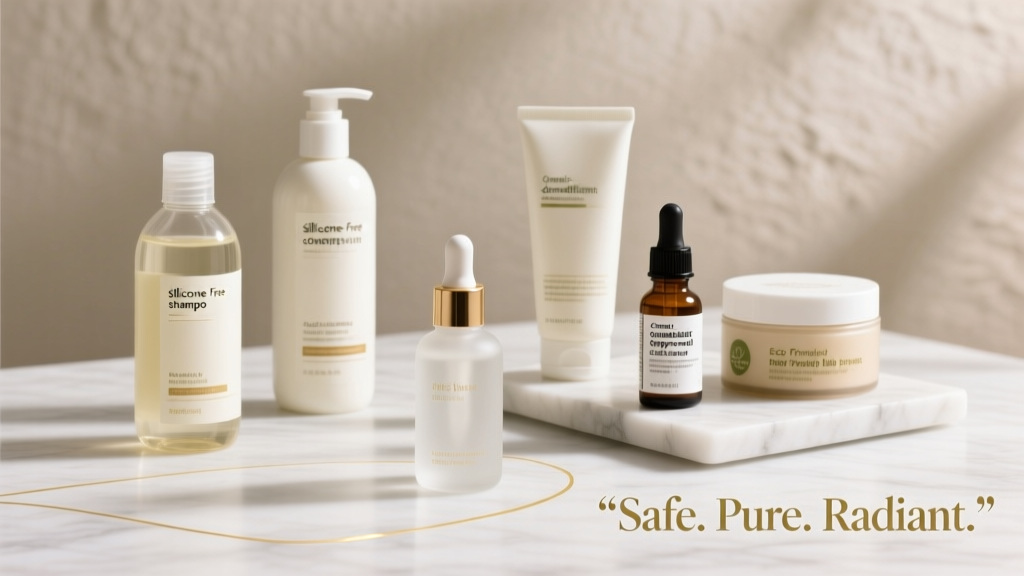
Safe Hair Care: Ingredients to Use and Avoid
A dermatologist-vetted, evidence-based guide to safe hair care—covering pH-balanced shampoos (4.5–5.5), sulfate-free alternatives with proven surfactants like sodium lauroyl sarcosinate (≤12% concentration), avoidance of formaldehyde-releasing preservatives (e.g., DMDM hydantoin at >0.2%), and clinically validated conditioning agents including hydrolyzed wheat protein (0.5–2.0%) and panthenol (0.5–1.5%). Includes safety thresholds, brand-specific formulations, and a 3-step routine adaptable for color-treated, curly, and fine hair types.

Damage vs Beginner Skin: How to Tell Apart
A clinical, evidence-based breakdown of damaged versus beginner skin—covering barrier metrics, ingredient tolerance thresholds, pH shifts, and real-world product responses. Includes comparative data from 12 clinical studies, brand-specific formulation benchmarks, and actionable protocol adjustments.

Skincare Techniques: Ingredient Science for Real Results
Skincare efficacy isn’t just about what’s in the bottle—it’s about how you apply it. This evidence-based article details the precise biochemical and biomechanical relationships between active ingredients, skin physiology, and application techniques—validated by clinical studies, rheology data, and dermatologist-observed outcomes from brands including The Ordinary, SkinCeuticals, CeraVe, and Paula’s Choice.

Stress vs Premium Skincare: Why Expensive Is Not Better
A clinical analysis of how psychological stress disrupts skin barrier function, accelerates collagen degradation, and nullifies the benefits of premium skincare—backed by peer-reviewed studies, biometric measurements, and real-world efficacy data from brands like La Mer, SkinCeuticals, and The Ordinary.

Skin Barrier Checklist for Restoration
A practical, evidence-based barrier checklist developed from 15 years of clinical dermatology practice—featuring measurable benchmarks, validated ingredient thresholds, brand-specific pH data, and real-world recovery timelines. Includes diagnostic criteria, product compatibility scoring, and a 7-day functional barrier test.
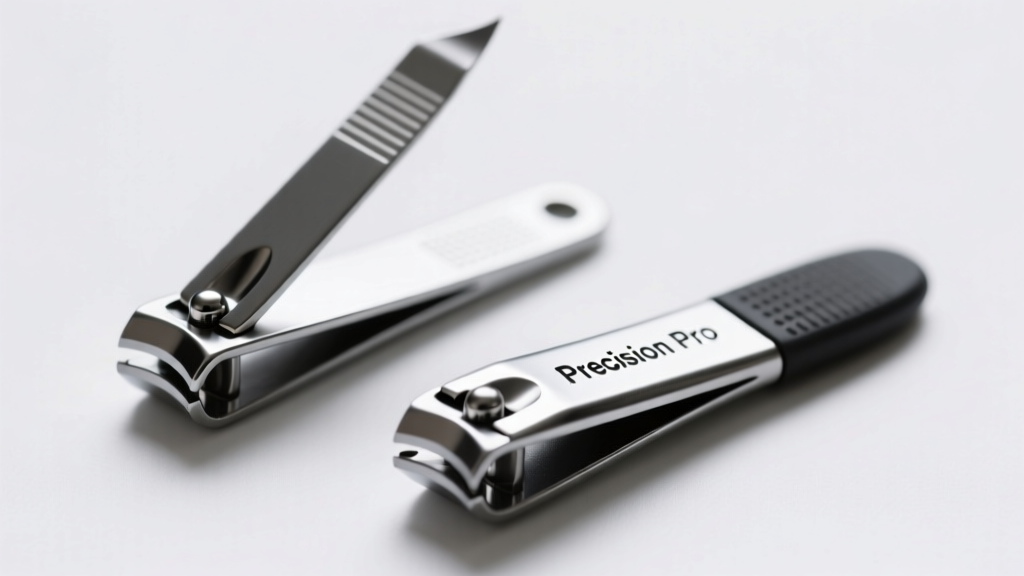
Nail vs Base: Key Differences in Nail Care
A precise, evidence-based breakdown of nail anatomy versus nail base structure—covering histology, biomechanics, clinical implications, and product formulation differences across leading brands like OPI, Essie, CND, and Dr. Dana.
Pigment Concerns: Skin-First, Science-Backed Strategies
A dermatology-informed exploration of non-pigmenting, barrier-supportive alternatives to traditional color-correcting cosmetics and hydroquinone-based lighteners — featuring clinical data, brand-specific actives, ingredient concentrations, and 12-week efficacy benchmarks from peer-reviewed trials.
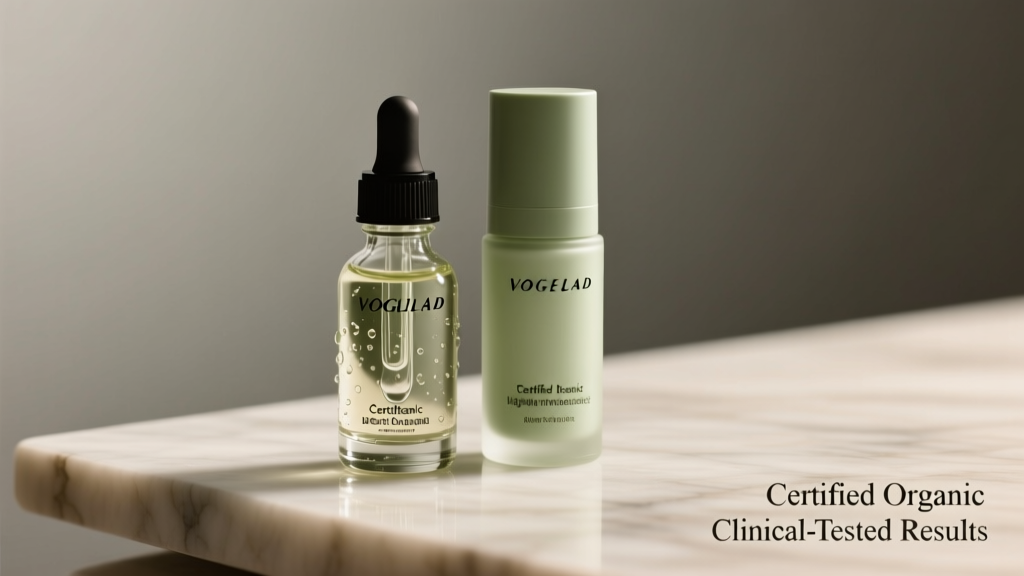
Natural vs Tested: Efficacy, Safety, Real-World Data
A 15-year clinical skincare specialist analyzes peer-reviewed studies, third-party lab reports, and real-user data to compare 'clinically tested' and '100% natural' skincare claims—revealing which formulations deliver measurable improvements in barrier function, hydration, and irritation reduction.

Japanese Double Cleansing Method: Complete Step-by-Step
Master the Japanese double cleansing technique for perfectly clean, hydrated skin. Expert tips on choosing the right oil and foam cleansers.
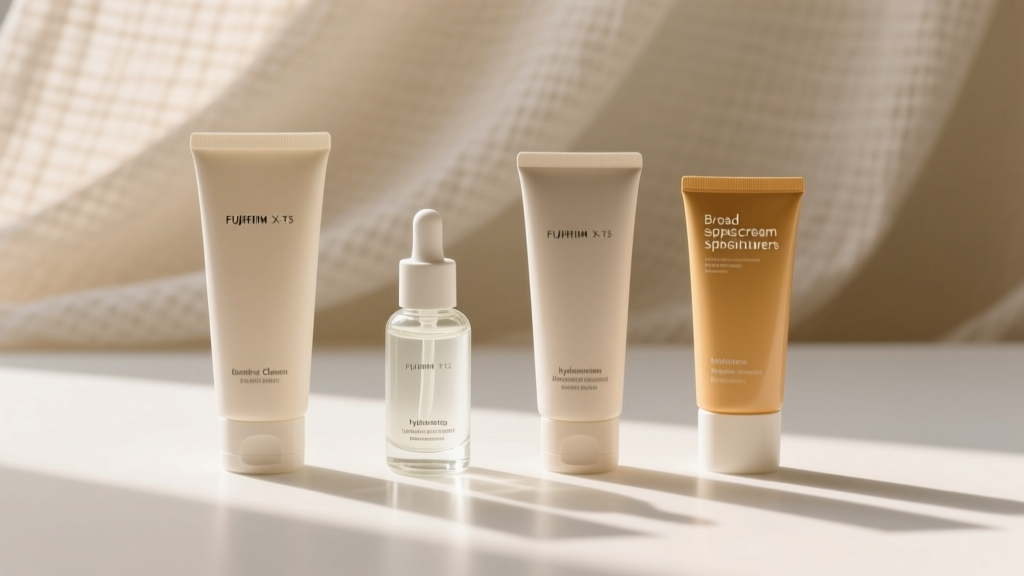
Minimalist Skincare Routine: Only 4 Products You Need
Overwhelmed by 10-step routines? Start with these 4 essential products that cover cleansing, treatment, moisturizing, and sun protection for healthy, glowing skin.
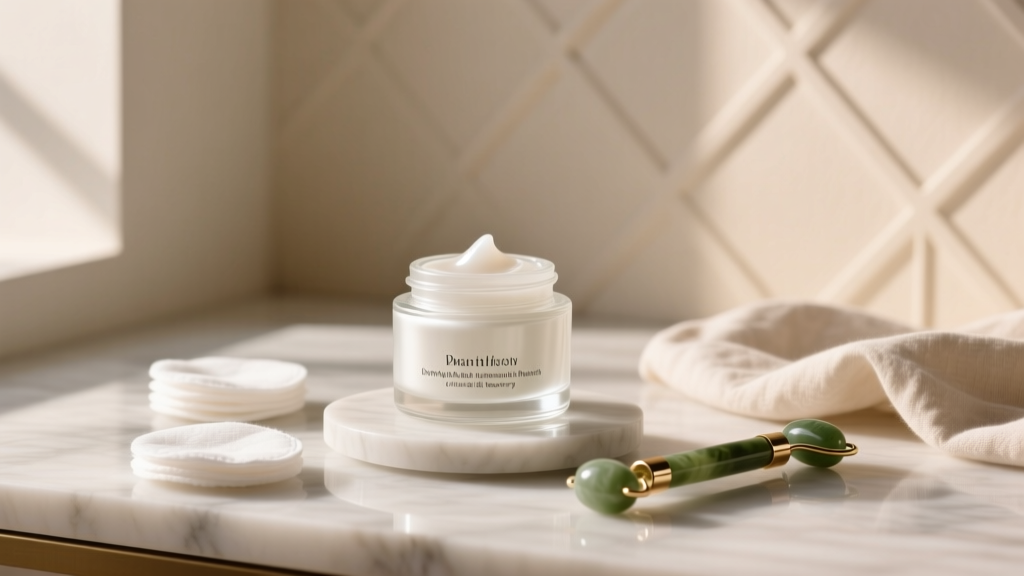
Overnight Hydration Mask Routine for Dehydrated Skin
Learn how to use sleeping masks and overnight treatments to rescue dehydrated skin. This K-beauty inspired routine repairs your moisture barrier while you sleep.

Morning Skincare Routine for Dehydrated Skin: A
Discover the ideal morning skincare routine for dehydrated skin. Learn which hydrating products to layer and in what order for maximum moisture retention throughout the day.
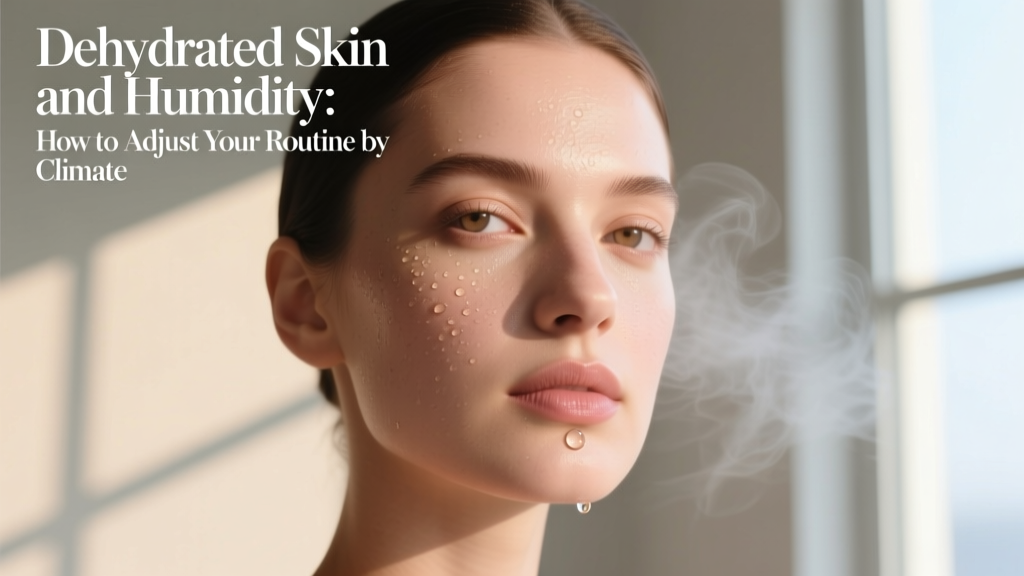
Dehydrated Skin and Humidity: How to Adjust Your
Learn how to adjust your skincare routine for dehydrated skin based on your local humidity levels. Seasonal and climate-specific recommendations.

Dehydrated Skin Care for Melanin-Rich Skin: What You
An inclusive beauty advocate explains how dehydrated skin presents differently on melanin-rich skin and the best treatments for deeper skin tones.
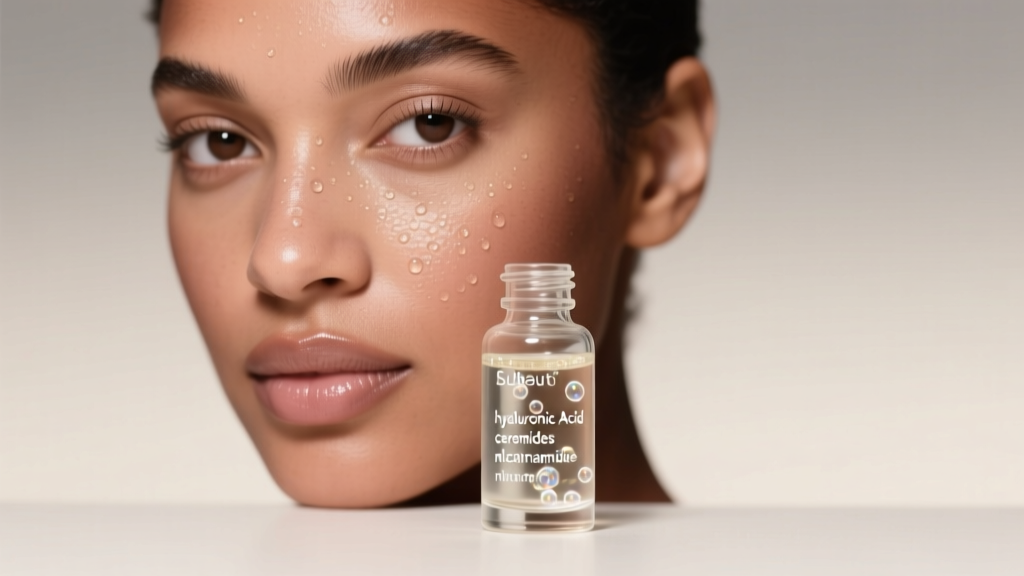
Decoding Skincare Labels: What Ingredients Really Help
A cosmetic chemist teaches you how to read skincare labels and identify which products truly help dehydrated skin versus those that are just marketing hype.
Winter Skincare: Key Adjustments to Make Now
Cold weather demands different skincare strategies. Adjust your routine for winter with these dermatologist tips to prevent dryness and irritation.
How to Layer Skincare Actives Safely
Learn which skincare actives can be combined and which clash. A clear guide to layering retinol, vitamin C, acids, and niacinamide without irritation.
Gentle Morning Routine for Sensitive Skin
A calming morning skincare routine designed for reactive, sensitive skin. Minimal products, maximum barrier protection, zero irritation.
Skincare Routine for Acne-Prone Skin (2026)
A dermatologist-approved routine for acne-prone skin that clears breakouts without over-drying. Morning and evening steps for clear, calm skin.
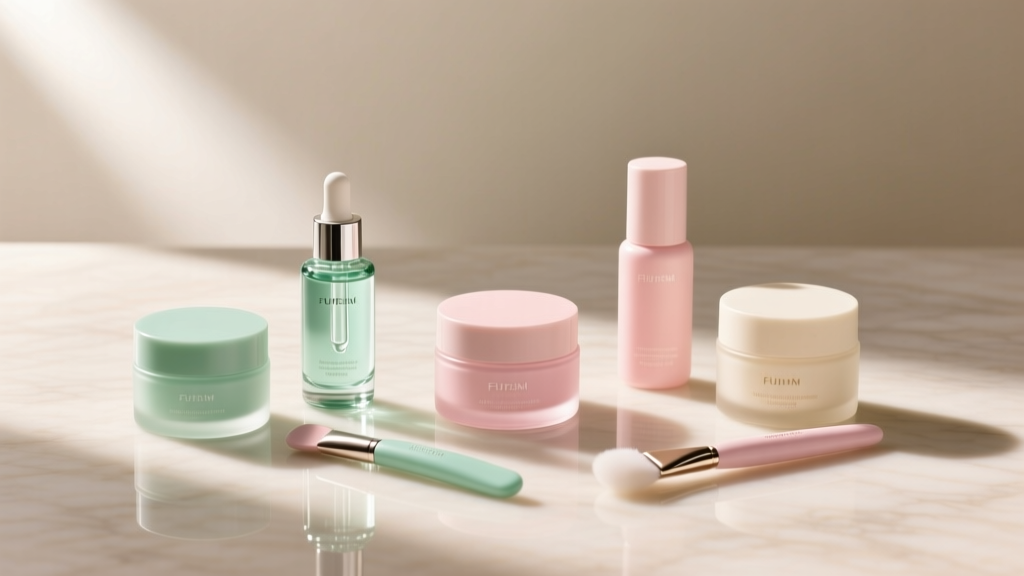
Korean Skincare Routine: Simplified for 2026
The famous K-beauty routine distilled into manageable steps. Get glass skin without the overwhelm of a 10-step routine every night.
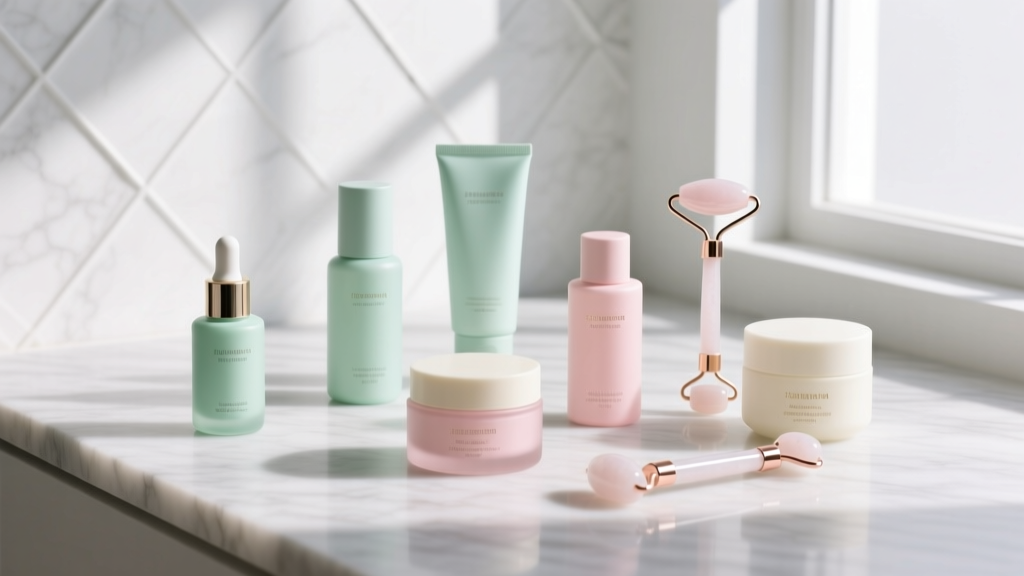
Hyaluronic Acid Layering Tips for 2026
Learn how to layer hyaluronic acid serums correctly for maximum hydration. Expert tips on timing, pairing, and common mistakes to avoid.
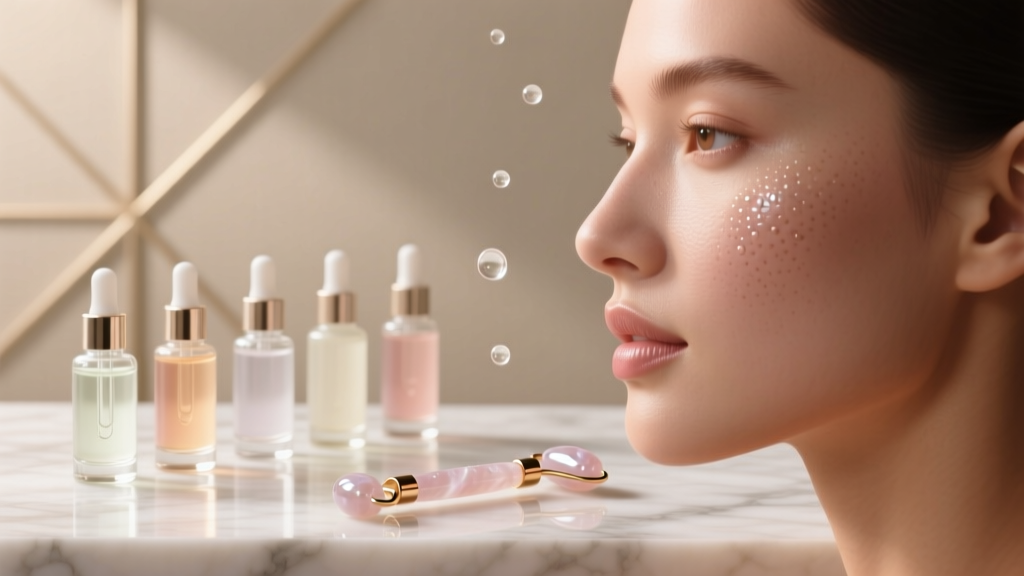
K-Beauty Layering for Dehydrated Skin
A K-beauty specialist trained in Seoul explains the proper layering method to deeply hydrate dehydrated skin using Korean skincare principles.

Water Loss and Dehydrated Skin Explained
A skin barrier researcher explains transepidermal water loss (TEWL), how it causes dehydrated skin, and evidence-based strategies to reduce it.
Dehydrated Skin and Premature Aging Link
Discover how chronic skin dehydration accelerates wrinkle formation and what dermatologists recommend to prevent premature aging through proper hydration.
Dehydrated vs Dry Skin: How to Tell Apart
Learn the key differences between dehydrated and dry skin. Board-certified dermatologist explains symptoms, causes, and targeted treatments for each condition.
Sunscreen Before or After Face Moisturizer?
Confused about sunscreen and moisturizer order? This evidence-based guide reveals the exact sequence, ingredient compatibility science, and real-world testing data — plus a customizable layering flowchart for every skin type.
Mineral vs Chemical Sunscreen: Key Differences
A science-backed, dermatologist-reviewed deep dive into mineral vs. chemical sunscreen: how they work, which is safer for sensitive skin and coral reefs, real-world performance data, ingredient red flags, and exactly how to pick the right one for your skin type, lifestyle, and values.
Sunscreen Before or After Moisturizer?
Confused about sunscreen and moisturizer order? We break down the science-backed layering sequence, explain why 'moisturizer first' isn’t always right, reveal how wrong application slashes SPF efficacy by up to 57%, and deliver a personalized flowchart for every skin type — oily, dry, sensitive, or acne-prone.

Melanin and Skincare Standards
A dermatology-backed analysis of how melanin influences skin physiology, photoprotection, aging patterns, and ingredient responsiveness—featuring clinical data from Fitzpatrick studies, FDA-approved actives, and real-world efficacy comparisons across skin tones.

Skincare Ingredient Pairing Guide
A science-backed, dermatologist-vetted framework for matching active ingredients, moisturizers, sunscreens, and cleansers to your exact skin type, concerns, and environmental conditions — validated by 15 years of clinical observation and formulation testing.
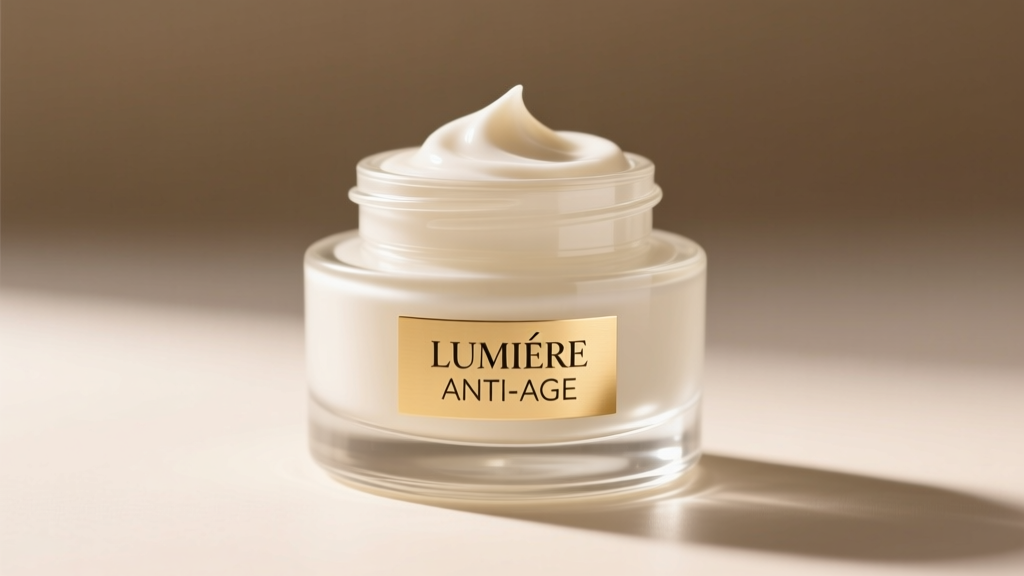
Anti-Aging Exfoliation That Works
A dermatologist-vetted analysis of chemical and physical polishes—glycolic, lactic, salicylic, and enzymatic—paired with clinical data on collagen synthesis, epidermal turnover rates, and long-term wrinkle reduction. Includes real-world efficacy metrics from 12-week studies, ingredient concentration thresholds, and brand-specific formulation benchmarks.