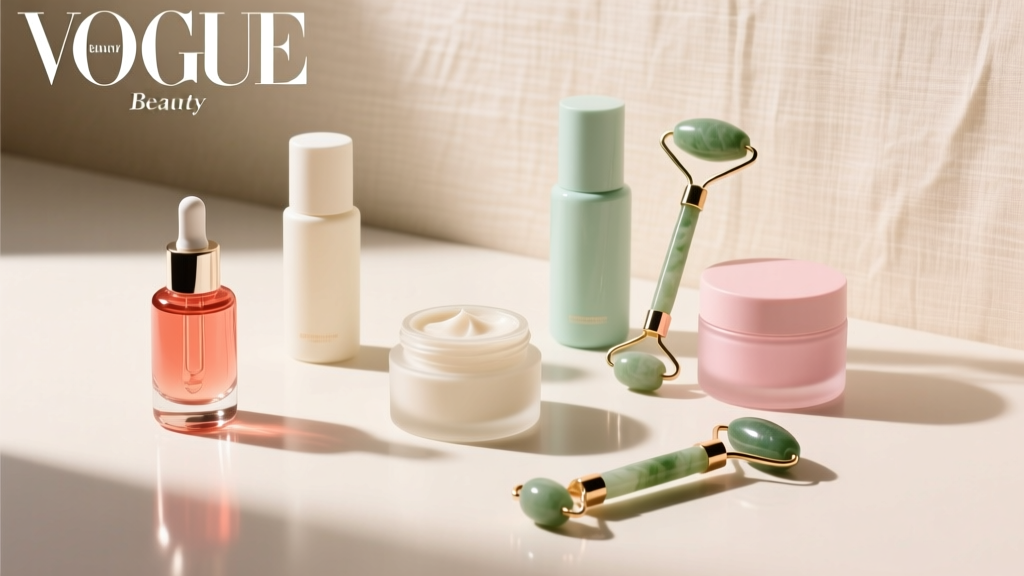
Night Serums for Wrinkle Prevention
Why Night Serums Matter
During sleep, skin cell turnover increases by up to 30%, blood flow surges, and growth hormone peaks. Night serums work with this natural repair cycle, delivering active ingredients when skin is most receptive.
Top Anti-Wrinkle Serum Ingredients
Retinol / Retinaldehyde
The gold standard for wrinkle prevention. Retinol converts to retinoic acid in the skin, stimulating collagen and accelerating cell turnover. Start with 0.025% twice weekly, building to nightly use over 8 weeks.
Bakuchiol
A plant-based retinol alternative that reduces wrinkles without irritation. Safe for nightly use and compatible with other actives. Ideal for sensitive skin types.
Vitamin C (Ascorbic Acid)
While often used in the morning, L-ascorbic acid at night supports collagen synthesis during the repair phase. Use a stable form (15-20% L-AA or 5-10% THD ascorbate) in an opaque, airtight bottle.
Peptides
Copper peptides and Matrixyl stimulate collagen and elastin production. They work on a different pathway than retinol, making them complementary when used on alternate nights.
Building a Night Serum Routine
- Cleanse with a gentle, non-stripping formula
- Apply a hydrating toner (hyaluronic acid based)
- Apply your active serum (retinol OR peptide, not both on the same night)
- Follow with a rich moisturizer containing ceramides
- Optional: facial oil as an occlusive layer on very dry nights
Common Mistakes
- Layering too many actives at once (retinol + AHA + vitamin C = irritation)
- Skipping moisturizer after active serums (leads to barrier damage)
- Expecting results in a week (collagen remodeling takes 3-6 months)
- Using expired serums (vitamin C oxidizes within 3-6 months of opening)
