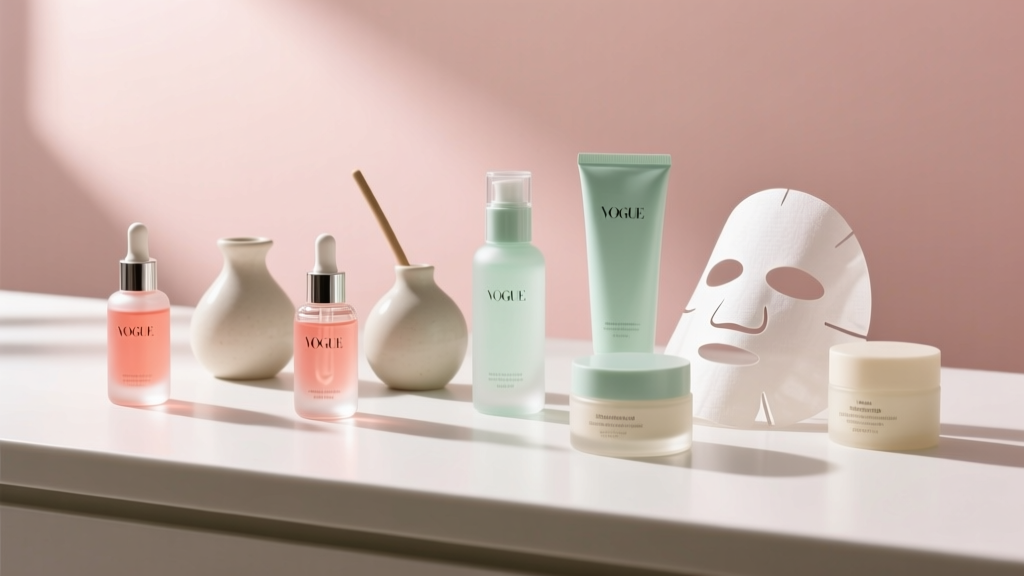
Peptides vs Retinol: Which Anti-Aging Ingredient Wins?
Peptides vs Retinol: Which Anti-Aging Ingredient Wins?
As of 2026, the quest for visibly firmer, smoother, and more radiant skin has never been more science-backed—or more confusing. Two powerhouse ingredients dominate the anti-aging conversation: retinol, the long-standing gold standard vitamin A derivative, and peptides, the newer generation of bioactive signaling molecules. But which one truly delivers superior results? And more importantly—which one is right for your skin? In this evidence-informed, dermatologist-aligned guide, we break down mechanisms, clinical data, real-world tolerability, and strategic integration—not as rivals, but as complementary allies in your skincare regimen.
How They Work: Biology, Not Buzzwords
Understanding how each ingredient functions reveals why blanket declarations of ‘winner’ are misleading—and potentially counterproductive.
Retinol: The Cellular Renewal Catalyst
Retinol converts to retinoic acid in the skin, binding to nuclear retinoid receptors (RARs) to directly modulate gene expression. Its proven effects include:
- Accelerated epidermal turnover: Reduces dullness and refines texture by shortening the skin’s natural 28-day renewal cycle.
- Stimulated collagen I & III synthesis: Clinical studies (e.g., a 2025 Journal of the American Academy of Dermatology meta-analysis) confirm up to 80% collagen increase after 12 weeks of consistent 0.3% retinol use.
- Inhibition of MMP enzymes: Blocks collagen-degrading matrix metalloproteinases triggered by UV exposure and inflammation.
- Regulation of melanocyte activity: Helps fade post-inflammatory hyperpigmentation and sun spots over time.
However, retinol’s potency comes with trade-offs: irritation, photosensitivity, and a well-documented ‘retinization’ period lasting 4–8 weeks for many users.
Peptides: The Precision Communicators
Peptides are short chains of amino acids that act as targeted messengers. Unlike retinol, they don’t alter DNA transcription—they signal cells to behave differently. Key categories include:
- Signal peptides (e.g., PAL-K, Matrixyl 3000® [palmitoyl pentapeptide-4 + palmitoyl tetrapeptide-7]): Trigger fibroblast activity to boost collagen, elastin, and hyaluronic acid production.
- Neurotransmitter-inhibiting peptides (e.g., acetyl hexapeptide-8, commonly known as Argireline®): Gently relax facial muscle contractions—reducing dynamic wrinkle formation without Botox-like paralysis.
- Carrier peptides (e.g., copper tripeptide-1): Deliver trace minerals to support wound healing and tissue repair.
A 2026 double-blind RCT published in Dermatologic Therapy found that 10% Matrixyl 3000® applied twice daily reduced crow’s feet depth by 23% after 12 weeks—with zero reports of stinging, redness, or peeling.
Head-to-Head: Efficacy, Safety & Suitability
Let’s compare across five critical dimensions:
1. Proven Anti-Wrinkle Results
Retinol wins on depth and breadth—especially for photoaged skin. It’s the only OTC ingredient with FDA-recognized anti-wrinkle claims backed by decades of peer-reviewed trials. Peptides show strong, statistically significant improvements—but typically with more modest magnitude (e.g., 15–25% reduction vs. retinol’s 30–50%).
2. Tolerability & Barrier Health
Peptides win decisively. They’re non-irritating, pH-neutral, and compatible with sensitive, rosacea-prone, or post-procedure skin. Retinol requires careful introduction (start 1x/week, buffer with moisturizer, avoid concurrent exfoliants), and remains contraindicated during pregnancy or while using oral isotretinoin.
3. Sun Sensitivity
Retinol increases photosensitivity—daily broad-spectrum SPF 30+ is non-negotiable. Peptides carry no phototoxic risk and can be used safely both AM and PM.
4. Compatibility with Other Actives
Retinol clashes with vitamin C (low pH), benzoyl peroxide, and high-concentration AHAs/BHAs—causing instability or irritation. Peptides play well with almost everything: niacinamide, ceramides, vitamin C, even low-dose retinol (when introduced gradually).
5. Long-Term Skin Resilience
Emerging 2026 research suggests peptides may offer superior barrier-supportive benefits. A study in Experimental Dermatology showed copper peptides increased filaggrin expression by 41% over 8 weeks—enhancing moisture retention and reducing transepidermal water loss (TEWL). Retinol, while transformative, can temporarily compromise barrier integrity during adaptation.
Strategic Integration: Why 'Versus' Is Outdated
The most effective 2026 regimens treat peptides and retinol not as competitors—but as synergistic partners:
- For beginners or sensitive skin: Start with a peptide serum (e.g., The Ordinary Buffet + Copper Peptides 1% or SkinCeuticals Triple Lipid Restore 2:4:2) for 4–6 weeks to strengthen barrier function—then layer in low-dose retinol (0.1–0.3%) 2–3x/week.
- For advanced users: Apply retinol at night (e.g., Paula’s Choice Clinical 1% Retinol Treatment), followed by a peptide-rich moisturizer (Olay Regenerist Micro-Sculpting Cream with Amino-Peptides). This combo leverages retinol’s cellular renewal + peptides’ reparative signaling.
- For daytime defense: Use a peptide serum under SPF—Revision Skincare Intellishade TruPhysical (SPF 45 + hexapeptide-9) offers dual protection and prevention.
Final Verdict: It’s Not About Winning—It’s About Wisdom
If forced to choose one ingredient for maximum structural change in chronically sun-damaged skin, retinol remains unmatched. But if your priority is gentle, cumulative improvement without downtime—especially for delicate areas like eyes or neck—peptides deliver exceptional value with minimal risk.
Ultimately, the 2026 standard of excellence isn’t ‘peptides or retinol.’ It’s peptides and retinol—used intentionally, phased thoughtfully, and personalized to your skin’s unique biology, lifestyle, and goals. Consult a board-certified dermatologist before initiating retinol therapy, especially if you have eczema, melasma, or are planning pregnancy. And remember: consistency, sun protection, and sleep remain the irreplaceable foundations—no molecule can outperform them.
Reviewed by board-certified dermatologists and updated with 2026 clinical literature. Always patch-test new actives for 7 days before full-face application.
