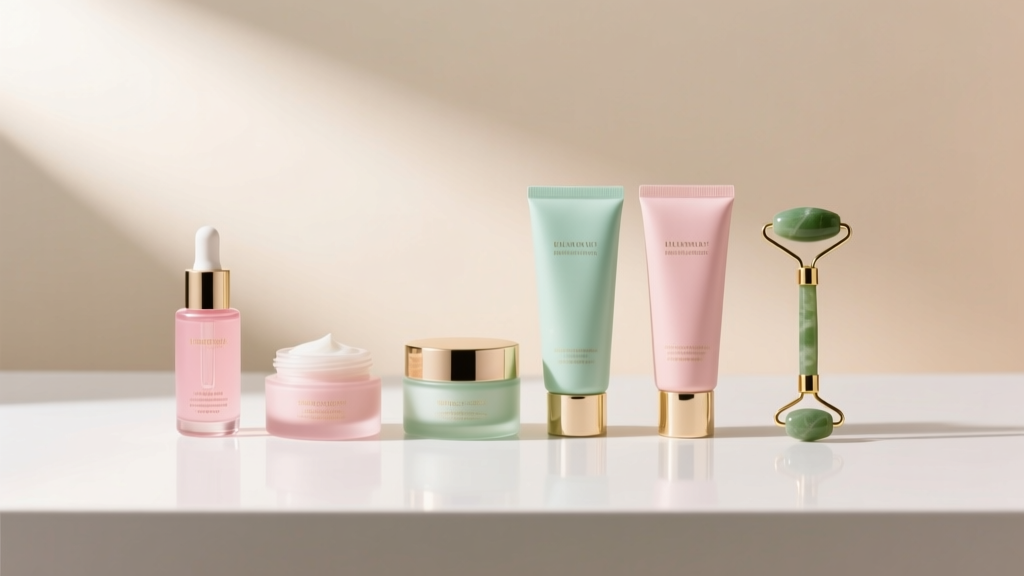
Retinol Alternatives for Sensitive Skin
Why Some Skin Types Struggle with Retinol
Retinol accelerates cell turnover and boosts collagen, but it can cause redness, peeling, and irritation—especially for sensitive or reactive skin. Fortunately, several alternatives deliver similar benefits with less aggression.
Bakuchiol: The Plant-Based Option
Derived from the Psoralea corylifolia plant, bakuchiol has been shown in a 2019 study (British Journal of Dermatology) to match retinol in reducing wrinkles and hyperpigmentation, with significantly less irritation.
How to Use
- Apply bakuchiol serum nightly after cleansing
- Pair with moisturizer to lock in hydration
- Safe for use during pregnancy (unlike retinol)
Peptides: Signal Molecules
Copper peptides and matrixyl stimulate collagen production without the irritation of retinoids. They work by sending repair signals to fibroblasts, encouraging new collagen and elastin synthesis.
Rosehip Seed Oil
Rich in trans-retinoic acid (a natural form of vitamin A), rosehip oil provides gentle retinol-like effects while delivering essential fatty acids that repair the skin barrier.
Niacinamide (Vitamin B3)
While not a direct retinol substitute, niacinamide improves skin texture, reduces pore appearance, and strengthens the barrier. It pairs well with any other active ingredient.
Building a Gentle Anti-Aging Routine
- Morning: Vitamin C serum + SPF 30+
- Evening: Bakuchiol or peptide serum + rich moisturizer
- Weekly: Gentle exfoliation with lactic acid (5%)
