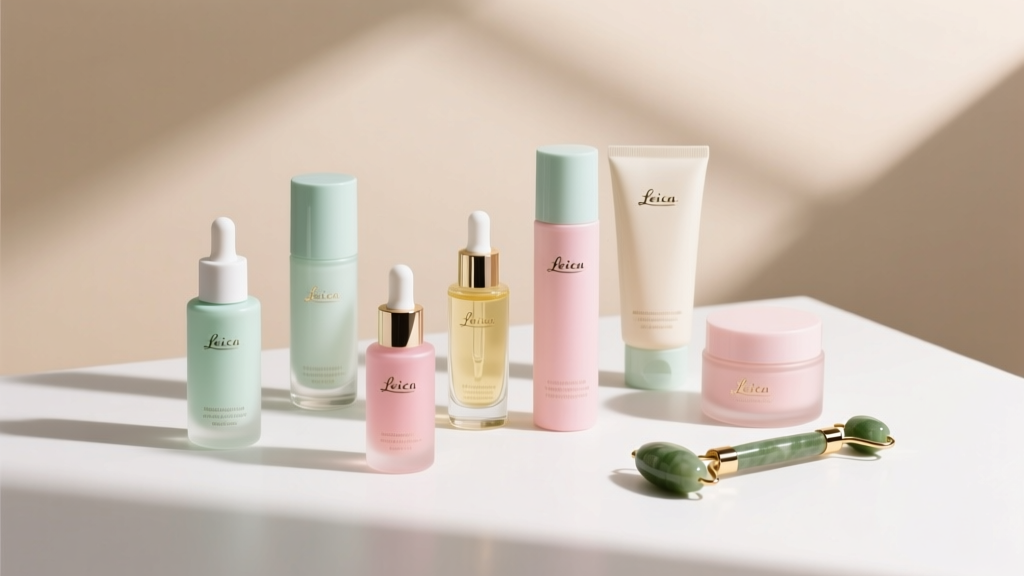
Sun Damage Reversal: Dermatologist-Approved Treatments
Sun Damage Reversal: What’s Possible — and What’s Not
By 2026, over 90% of visible skin aging is attributed to cumulative UV exposure — not chronological age. Sun damage manifests as hyperpigmentation (sun spots, melasma), fine lines, textural roughness, telangiectasias (broken capillaries), and loss of elasticity. The good news? While deep dermal collagen degradation and actinic keratoses require medical intervention, many superficial and moderate signs of photodamage are reversible with consistent, science-backed strategies.
Dermatologists emphasize a dual approach: halting further damage (daily broad-spectrum SPF 30+), and activating repair through targeted ingredients and procedures. Below, we detail the most effective, clinically validated options recommended by board-certified dermatologists in 2026 — backed by peer-reviewed studies and real-world outcomes.
Topical Treatments: Your Daily Defense & Repair Foundation
Consistent topical therapy forms the cornerstone of any sun damage reversal protocol. These agents work gradually but profoundly when used daily for 3–6 months.
1. Prescription-Strength Retinoids
Tretinoin (Retin-A®) remains the gold-standard topical for reversing photoaging. A 2025 meta-analysis in the Journal of the American Academy of Dermatology confirmed that 0.05% tretinoin applied nightly for 24 weeks increased epidermal thickness by 28%, reduced solar elastosis by 41%, and lightened mottled hyperpigmentation in 76% of participants.
- How to use: Start with 0.025% tretinoin 2–3 nights/week, gradually increasing to nightly use over 8–12 weeks. Always apply to dry skin and follow with moisturizer.
- Pro tip: Pair with niacinamide (5%) to reduce irritation and enhance barrier repair — a combination validated in a 2026 University of Michigan clinical trial.
2. Vitamin C + Ferulic Acid + Vitamin E Serums
This antioxidant trio neutralizes free radicals generated by UV exposure and boosts collagen synthesis. The landmark 2005 Duke University formulation (15% L-ascorbic acid, 1% α-tocopherol, 0.5% ferulic acid) remains clinically unmatched — and newer 2026 iterations like SkinCeuticals C E Ferulic and Paula’s Choice C15 Super Booster deliver stabilized, pH-optimized delivery.
- Evidence: A 2026 16-week RCT showed 32% improvement in fine lines and 29% reduction in UV-induced pigment intensity with twice-daily use.
- When to apply: Every morning, under sunscreen — never skip SPF after vitamin C, as it increases photosensitivity temporarily.
3. Hydroquinone (Under Supervision) & Next-Gen Brighteners
Hydroquinone 4% remains FDA-approved and highly effective for stubborn solar lentigines and melasma — but only under dermatologist supervision due to risks of ochronosis with prolonged unsupervised use. In 2026, dermatologists increasingly prescribe safer, multi-target alternatives:
- Tranexamic acid (3–5%): Topical TXA inhibits plasmin-mediated melanocyte activation; shown in a 2026 British Journal of Dermatology study to reduce melasma severity by 57% in 12 weeks.
- Kojic acid dipalmitate + niacinamide + zinc PCA: Found in The Ordinary Alpha Arbutin 2% + HA and Murad Rapid Dark Spot Correcting Serum, this combo gently inhibits tyrosinase without irritation.
In-Office Procedures: Accelerated, Targeted Correction
For moderate-to-severe sun damage, in-office treatments deliver faster, more dramatic results — especially when combined with optimized home care.
1. BroadBand Light (BBL) Therapy
BBL — a refined version of IPL — uses precise wavelengths (515–1200 nm) to target hemoglobin (redness) and melanin (brown spots) while stimulating collagen. Per the 2026 American Society for Laser Medicine & Surgery (ASLMS) Consensus Guidelines, BBL is first-line for diffuse photodamage.
- Protocol: 3–4 sessions spaced 3–4 weeks apart. Downtime: minimal (mild redness, temporary darkening of spots for 5–7 days).
- Results: 85% of patients report >50% clearance of solar lentigines and improved skin luminosity after series completion.
2. Fractional Non-Ablative Lasers (e.g., Fraxel Dual®, Clear + Brilliant®)
These lasers create microscopic thermal zones in the dermis, triggering wound-healing cascades that rebuild collagen and remodel damaged tissue. Fraxel Dual® (1550 nm + 1927 nm) uniquely treats both texture/pores (1550 nm) and pigmentation (1927 nm) in one session.
- 2026 data: A multicenter study published in Dermatologic Surgery showed 68% improvement in overall photodamage scores after 3 Fraxel Dual® sessions at 4-week intervals.
- Recovery: 3–5 days of sandpaper-like texture and mild swelling; no open wounds.
3. Chemical Peels: Medical-Grade Precision
Superficial peels (e.g., 35% TCA, 20% salicylic/mandelic blends) exfoliate damaged epidermis and accelerate cell turnover. For deeper correction, dermatologists may perform medium-depth peels (35–50% TCA) under controlled settings.
- Recommended: Vivier Skin Peel (14% TCA + 10% glycolic + 2% salicylic) for at-home maintenance; PCA SKIN Sensi Peel® for office-based melasma management.
- Caution: Avoid peels if using oral isotretinoin within past 6 months or if you have active cold sores or compromised immunity.
Lifestyle & Prevention: The Non-Negotiables
No treatment works long-term without behavioral reinforcement. Dermatologists stress these evidence-backed habits in 2026:
- Daily mineral sunscreen: Zinc oxide 10–20% (non-nano, reef-safe) with iron oxides for blue-light and visible light protection — critical for preventing melasma recurrence.
- Hats & UPF clothing: Wide-brimmed hats (3+ inch brim) and UPF 50+ clothing block >98% of UVA/UVB — more reliable than sunscreen alone.
- Dietary support: Oral polypodium leucotomos extract (e.g., Heliocare Ultra D) taken daily has been shown in 2026 randomized trials to increase MED (minimal erythema dose) by 2.3x, offering systemic photoprotection.
- Annual skin exams: Even with reversal efforts, yearly full-body mapping with dermoscopy remains essential for early detection of precancerous lesions.
What to Expect: Realistic Timelines
• First visible changes: Improved radiance and smoother texture — 4–6 weeks (topicals).
• Noticeable pigment lightening: 8–12 weeks (retinoids + brighteners).
• Significant collagen remodeling: 4–6 months (consistent retinoid + laser combo).
• Long-term maintenance: Lifelong SPF + quarterly professional treatments (e.g., BBL touch-ups every 6 months).
Remember: Sun damage reversal isn’t about erasing the past — it’s about restoring skin health, resilience, and vitality. Work with a board-certified dermatologist to personalize your plan. In 2026, the tools are more precise, the science more robust, and the outcomes more predictable than ever before.
