Best Hair Oils for Different Hair Types and Concerns
Hair oils have been used for centuries across cultures, but modern trichology reveals that different oils have vastly different properties. Using the wrong oil for your hair type can lead to limp, greasy strands — or worse, blocked follicles.
Understanding Oil Molecular Weight
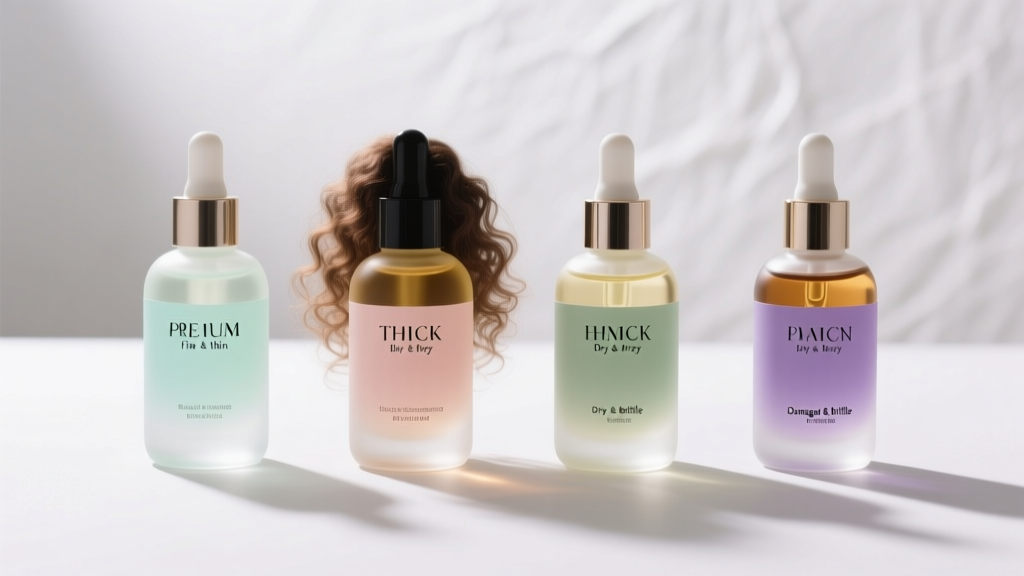
The key to choosing a hair oil is understanding molecular weight. Lightweight oils (argan, grapeseed, jojoba) penetrate the hair shaft and are suitable for fine hair. Heavy oils (castor, coconut, olive) sit on the surface and are better for thick, coarse, or very dry hair that needs intense sealing.
Best Oils for Fine Hair
Argan oil and jojoba oil are ideal for fine hair. Both are lightweight, non-greasy, and rich in vitamin E. Apply a few drops to mid-lengths and ends only — never the roots. These oils add shine without weighing hair down and provide heat protection up to 200°C.
Best Oils for Curly and Coily Hair
Curly and coily hair types benefit from heavier, more occlusive oils. Castor oil promotes moisture retention and may support hair growth through ricinoleic acid's circulation-stimulating properties. Coconut oil penetrates the hair cortex to prevent protein loss during washing. Apply as a pre-shampoo treatment or sealing oil after leave-in conditioner.
Best Oils for Damaged and Chemically Treated Hair
Marula oil and pracaxi oil are excellent for damaged hair. Both are rich in oleic acid and amino acids that help repair the cuticle layer. Apply as an overnight treatment on damp hair, focusing on the most damaged sections. Regular use reduces breakage by up to 40% in clinical testing.
Scalp Oils for Growth Support
Rosemary oil diluted in a carrier oil (2-3 drops per tablespoon) has been shown in a 2015 study to be as effective as 2% minoxidil for hair growth in androgenetic alopecia, with less scalp itching. Massage into the scalp for 5 minutes, leave for 30 minutes, then wash out. Use 2-3 times per week.