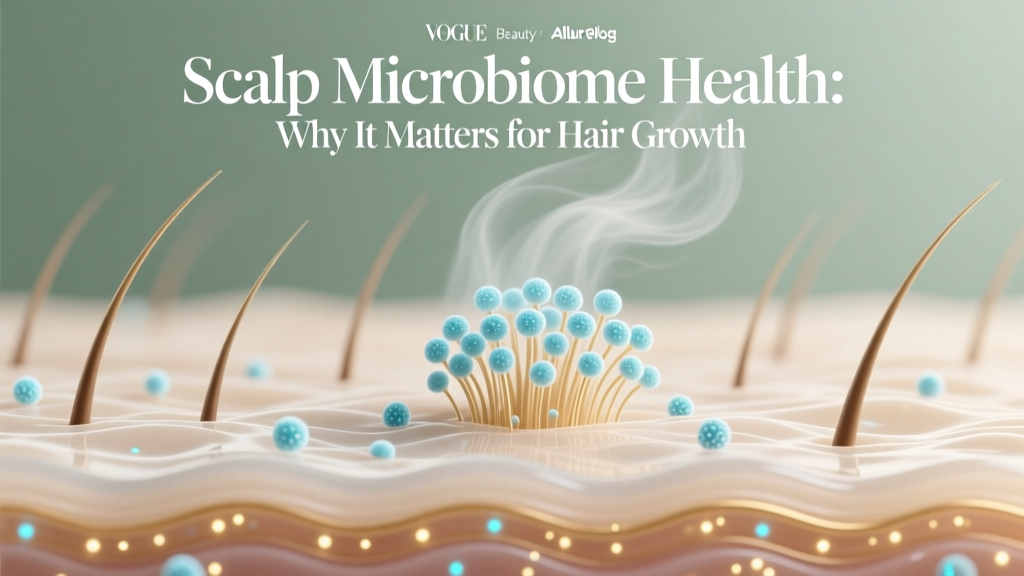
Scalp Microbiome Health: Why It Matters for Hair Growth
Just like your gut, your scalp has its own microbiome — a complex ecosystem of bacteria, fungi, and other microorganisms. When this ecosystem is balanced, your hair thrives. When it is disrupted, problems like dandruff, hair thinning, and excessive oiliness follow.
The Scalp Microbiome Explained
Your scalp hosts approximately 1 million microorganisms per square centimeter. The key players include Malassezia (a yeast that, in balance, protects the scalp), Cutibacterium (which helps maintain pH), and Staphylococcus (which prevents pathogenic colonization). Disruption of this balance is linked to conditions from seborrheic dermatitis to androgenetic alopecia.
Signs of an Unbalanced Scalp
Persistent dandruff, excessive itching, sudden increase in oiliness or dryness, unexplained hair shedding, and scalp acne are all signs that your microbiome may be disrupted. Common causes include harsh sulfates, over-washing, antibiotic use, stress, and product buildup.
How to Support Scalp Microbiome Health
Use sulfate-free shampoos: Harsh surfactants strip beneficial microorganisms along with dirt. Switch to gentle, pH-balanced (4.5-5.5) cleansers.
Prebiotic scalp treatments: Products containing inulin, fructooligosaccharides, or lactitol feed beneficial bacteria and promote microbial diversity.
Avoid over-washing: Daily washing disrupts the microbiome's natural equilibrium. Most hair types thrive with washing every 2-3 days.
Scalp Serums and Treatments
Probiotic scalp serums containing lactobacillus ferment or bifida ferment lysate are emerging as effective treatments for scalp health. Apply after washing to a towel-dried scalp. These introduce beneficial bacterial metabolites that calm inflammation and support a healthy growth environment.
Diet and Scalp Health
Omega-3 fatty acids, zinc, B vitamins, and probiotic-rich foods all support scalp microbiome diversity from within. Fermented foods like kimchi, kefir, and sauerkraut introduce beneficial bacteria that can influence skin microbiomes systemically.