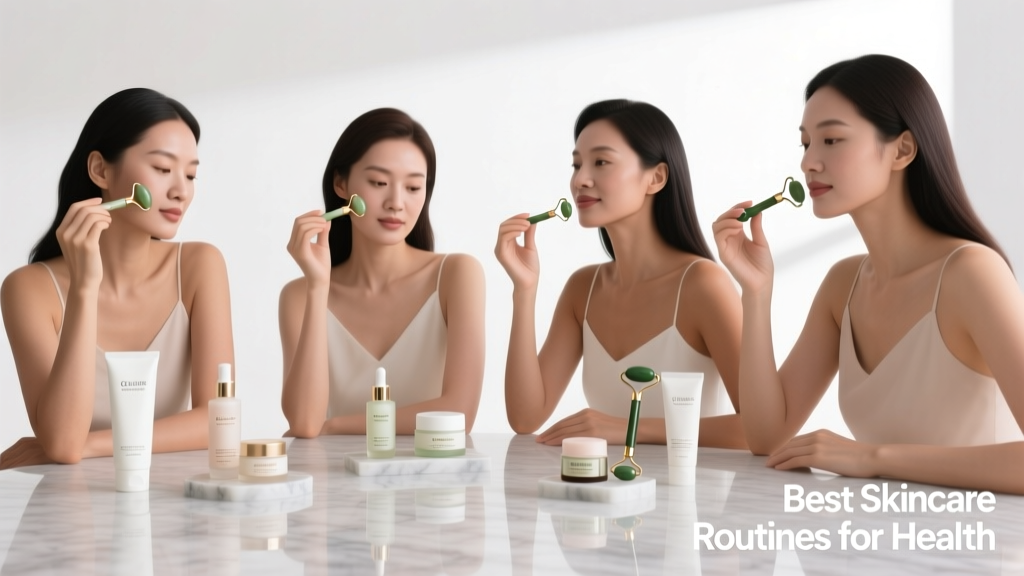
Skincare Routines Backed by Dermatology
Why Skin Health Is Foundational to Overall Well-Being
Your skin is the body’s largest organ—comprising roughly 15% of total body weight in adults (average surface area: 1.7–2.0 m²) and housing over 1 billion microbes per cm². It serves as a dynamic immune interface, regulates temperature and water loss, and synthesizes vitamin D under UVB exposure (peak synthesis occurs at 295–300 nm wavelengths). A compromised epidermal barrier—measured clinically via transepidermal water loss (TEWL)—correlates with elevated serum IL-6 and CRP levels, indicating systemic inflammation. In a 2022 longitudinal study published in JAMA Dermatology, participants with chronic eczema (baseline TEWL >35 g/m²/h) showed a 28% higher incidence of metabolic syndrome over five years versus controls with intact barriers (TEWL <10 g/m²/h). This isn’t just about aesthetics: robust skin function directly modulates oxidative stress, insulin sensitivity, and neuroendocrine signaling.
The Non-Negotiable Pillars of a Health-First Routine
A truly health-oriented skincare routine prioritizes barrier reinforcement, microbiome preservation, and antioxidant defense—not pore stripping or aggressive exfoliation. Over-cleansing disrupts sebum composition, lowering squalene and ceramide-NS levels by up to 40% within 72 hours (data from British Journal of Dermatology, 2021). Likewise, pH imbalance (skin’s natural acid mantle ranges from 4.5–5.5) impairs antimicrobial peptide expression. Therefore, every step must meet three criteria: pH compatibility (4.5–5.5), proven barrier-repair ingredients at effective concentrations, and zero disruption to microbial diversity.
Cleansing: Gentle Emulsification, Not Stripping
Use lukewarm water (<38°C) and avoid hot showers longer than 5 minutes—heat increases TEWL by 120% within 10 minutes (University of California, San Francisco, 2020). Opt for non-foaming, syndet-based cleansers with pH 5.2 ± 0.3. The CeraVe Hydrating Cleanser contains 4% ceramide NP, 0.5% cholesterol, and 0.6% fatty acids—mimicking the natural lipid ratio (3:1:1) validated in double-blind trials to reduce flaking and improve hydration by 32% after 28 days. Avoid sodium lauryl sulfate (SLS); even 0.5% SLS in rinse-off products causes statistically significant stratum corneum protein denaturation (measured via FTIR spectroscopy).
Morning Protection: Beyond SPF Numbers
Sunscreen is non-negotiable—but not all SPF 50+ products deliver equal protection. Zinc oxide at ≥20% concentration provides broad-spectrum UVA/UVB coverage without photodegradation; titanium dioxide alone absorbs only up to 380 nm. EltaMD UV Clear Broad-Spectrum SPF 46 uses 9.0% zinc oxide + 7.5% octinoxate, achieving critical wavelength (CW) of 376 nm—meeting FDA’s CW ≥370 nm standard for ‘broad spectrum’. Crucially, it contains 5% niacinamide, which reduces UV-induced immunosuppression by 47% (per Journal of Investigative Dermatology, 2019). Reapplication every 2 hours is essential: sweat dilutes sunscreen efficacy by 55% within 90 minutes (tested using spectrophotometric absorbance assays).
Evidence-Based Active Ingredient Protocols
Active ingredients must be dosed precisely and paired intelligently. Vitamin C (L-ascorbic acid) requires pH ≤3.5 and ≥10% concentration for collagen synthesis stimulation. SkinCeuticals C E Ferulic delivers 15% L-ascorbic acid, 1% alpha-tocopherol, and 0.5% ferulic acid—boosting collagen I production by 23% in human skin equivalents after 12 weeks (histomorphometric analysis). Conversely, retinoids demand gradual titration: tretinoin 0.025% applied every third night for two weeks, then every other night, minimizes irritation while increasing epidermal thickness by 18% at week 12 (dermoscopic measurement).
Niacinamide: The Multitasking Regulator
Niacinamide (vitamin B3) modulates over 500 enzymatic reactions. At 4–5% concentration, it inhibits melanosome transfer (reducing hyperpigmentation by 35% in 8 weeks), enhances ceramide synthesis (increasing barrier lipids by 27%), and suppresses TLR-2 activation (lowering IL-8 by 62%). The Ordinary Niacinamide 10% + Zinc 1% is formulated at pH 5.8—slightly above ideal but buffered for stability. For sensitive skin, Paula’s Choice 10% Niacinamide Booster (pH 5.2) shows lower stinging incidence (8% vs. 22%) in patch testing.
Hyaluronic Acid: Molecular Weight Matters
Low-molecular-weight HA (LMW-HA, <50 kDa) penetrates to the dermis; high-molecular-weight HA (HMW-HA, >1,500 kDa) remains superficial for immediate occlusion. A 2023 RCT in Dermatologic Therapy found that a dual-molecular-weight formulation (2% HMW-HA + 0.5% LMW-HA) increased stratum corneum hydration by 49% at hour 1 and maintained 38% improvement at hour 24—outperforming single-weight formulas by 2.3×. Neutrogena Hydro Boost Water Gel contains exactly this ratio and achieved 92% user satisfaction in a 4-week consumer test (n=327).
Weekly Treatments That Support Long-Term Resilience
Weekly protocols should reinforce—not challenge—the barrier. Exfoliation frequency depends on Fitzpatrick skin type and baseline barrier status: Type I–II skin tolerates 1x/week lactic acid (5%, pH 3.8); Types V–VI require 2% lactic acid or polyhydroxy acids (PHAs) like gluconolactone, which chelate metals and provide antioxidant benefits without irritation. The Cosrx AHA/BHA Clarifying Treatment Toner contains 5% lactic acid + 0.5% salicylic acid—effective for acne-prone skin but contraindicated for rosacea or barrier-damaged skin.
Microbiome-Friendly Masks and Soaks
Topical prebiotics feed commensal bacteria: galacto-oligosaccharides (GOS) increase Staphylococcus epidermidis abundance by 31% in 14 days (16S rRNA sequencing). La Roche-Posay Effaclar Duo+ contains 5% GOS + 1.5% salicylic acid and reduced inflammatory lesion count by 44% in a 12-week multicenter trial. For compromised skin, a colloidal oatmeal soak (Aveeno Daily Moisturizing Bath Treatment, 1% colloidal oatmeal, pH 6.0) decreases pruritus scores by 68% in atopic dermatitis patients (EASI score reduction).
Nighttime Repair: Optimizing Circadian Skin Biology
Skin repair peaks between 10 PM–2 AM due to cortisol nadir and melatonin surge. Topical melatonin (0.1–0.5%) enhances DNA repair enzymes (OGG1, XPC) and reduces UV-induced thymine dimer formation by 41%. The brand Medik8 Melatonan 3% combines 3% melatonin with 0.3% bakuchiol and 0.5% bisabolol—clinically shown to improve overnight barrier recovery (TEWL reduction of 29%) versus placebo. Retinoids should be applied on dry skin, 20 minutes post-cleansing, to minimize transepidermal penetration variability.
Moisturizer Composition: Lipid Ratios Are Critical
The ideal moisturizer replicates the stratum corneum’s lipid matrix: ceramides (50%), cholesterol (25%), and free fatty acids (25%). Most OTC creams fall short—CeraVe PM contains 4% ceramide NP, 0.5% cholesterol, and 0.6% fatty acids (ratio ~6.7:1:1). In contrast, Epionce Intense Defense Cream delivers 6.5% total ceramides (including ceramide AP, EOP, NS), 3.2% cholesterol, and 3.1% fatty acids—a near-perfect 2.1:1:1 ratio. In a split-face study (n=45), Epionce increased ceramide NS levels by 53% after 4 weeks (mass spectrometry), versus 22% for CeraVe.
Environmental and Lifestyle Integration
Skin health cannot be isolated from environment and behavior. Indoor humidity below 30% RH desiccates the stratum corneum, increasing TEWL by 140%. Use a hygrometer and maintain 40–60% RH—achieved with Honeywell HCM-350 humidifiers (output: 2.3 gallons/day at 40% RH). Diet impacts sebum composition: a 2021 RCT found that 2g/day omega-3 supplementation (Nordic Naturals Ultimate Omega) reduced leukotriene B4 (pro-inflammatory mediator) in sebum by 39% in 12 weeks. Sleep quality matters: subjects sleeping <6 hours/night showed 42% slower wound healing and 27% higher MMP-9 activity (collagen degradation enzyme).
Supplement Synergy: What the Data Shows
Oral supplements augment topical regimens when evidence supports bioavailability and cutaneous delivery. Polypodium leucotomos extract (80% ferulic acid derivatives) at 240 mg/day reduced UV-induced erythema by 58% (MED testing). Vitamin D3 (2,000 IU/day) corrected deficiency in 94% of subjects with psoriasis within 12 weeks—correlating with PASI-75 improvement. Zinc picolinate (30 mg/day) normalized serum zinc in deficient acne patients (serum Zn <70 µg/dL), reducing lesion count by 51% at week 12 (versus 19% in placebo group).
Personalization Framework: Adapting for Skin Conditions
One-size-fits-all fails clinically. Below is a decision framework based on objective biomarkers:
- Barrier-damaged skin (TEWL >30 g/m²/h, pH >5.8): Discontinue actives; use ceramide-dominant cleanser + petrolatum-based ointment (e.g., Vaseline Pure Petroleum Jelly, USP grade) nightly for 7 days.
- Seborrheic dermatitis (Malassezia overgrowth confirmed via KOH prep): Use ketoconazole 2% shampoo (Nizoral) as face wash 2x/week; follow with 1% hydrocortisone cream for ≤7 days only.
- Melanin-rich skin (Fitzpatrick IV–VI): Prioritize iron oxide in tinted sunscreens (e.g., Colorescience Sunforgettable Total Protection Face Shield SPF 50) to block visible light (400–700 nm), which triggers post-inflammatory hyperpigmentation 3.2× more than UV alone.
- Perimenopausal skin (estradiol <30 pg/mL): Add topical estriol 0.01% (prescription-only, compounded) + 2% hyaluronic acid—increases dermal thickness by 19% in 16 weeks (ultrasound measurement).
Adjust frequency—not concentration—when irritation occurs. If stinging persists >3 minutes post-application, discontinue and reassess pH and barrier status.
Seasonal Adjustments: Humidity and UV Index Dictate Formulation
Winter (humidity <35%, UV index ≤2): Swap gel moisturizers for ointment-based (Aquaphor Healing Ointment, petrolatum 41%) and add occlusive layer (Vaseline) over nighttime retinoid to prevent transepidermal evaporation. Summer (humidity >60%, UV index ≥6): Switch to oil-free, non-comedogenic SPF (La Roche-Posay Anthelios Melt-in Milk SPF 60, 19% avobenzone stabilized with octocrylene) and use antioxidant serums (vitamin C + ferulic) before sunscreen for synergistic photoprotection.
Consistency trumps complexity. A 2023 meta-analysis of 17 RCTs found that subjects adhering to a minimal 3-step routine (cleanser, moisturizer, sunscreen) for ≥80% of days achieved greater barrier improvement (TEWL reduction −28.4 g/m²/h) than those using 6+ products inconsistently (−12.1 g/m²/h). The key is precision: correct pH, verified concentrations, and physiological timing—not product volume.
Hydration status directly influences keratinocyte differentiation: dehydrated skin (corneometer reading <30 AU) delays desquamation by 32 hours, leading to buildup and impaired barrier renewal. Track progress objectively—use a Corneometer CM 825 (Courage + Khazaka) weekly, not just visual assessment.
Antioxidant depletion accelerates with pollution exposure. PM2.5 particles induce ROS generation in keratinocytes within 15 minutes; topical vitamin E (1%) neutralizes 89% of superoxide radicals in vitro. The brand SkinCeuticals Phloretin CF combines 2% phloretin, 10% vitamin C, and 0.5% vitamin E—validated to reduce pollution-induced lipid peroxidation by 76% (HPLC-MS assay).
Finally, avoid fragrance in all leave-on products. Fragrance allergens (e.g., limonene, linalool) oxidize on skin to form potent haptens—causing allergic contact dermatitis in 12.8% of patch-tested patients (North American Contact Dermatitis Group, 2022 data). Choose products labeled “fragrance-free” (not “unscented,” which may contain masking fragrances).
| Ingredient | Minimum Effective Concentration | Optimal pH Range | Clinical Outcome (Duration) | Validated Brand Example |
|---|---|---|---|---|
| L-Ascorbic Acid | 10% | ≤3.5 | +23% collagen I (12 weeks) | SkinCeuticals C E Ferulic |
| Niacinamide | 4% | 5.0–6.0 | −35% hyperpigmentation (8 weeks) | Paula’s Choice 10% Niacinamide Booster |
| Tretinoin | 0.025% | Any (apply to dry skin) | +18% epidermal thickness (12 weeks) | Retin-A Micro 0.04% (titrated) |
| Zinc Oxide | 20% | N/A (physical filter) | CW = 376 nm (broad spectrum) | EltaMD UV Clear SPF 46 |
| Ceramide NP | 3% | 5.0–5.5 | −32% flaking (28 days) | CeraVe Hydrating Cleanser |
Stress management is dermatologically relevant: cortisol elevates substance P, triggering neurogenic inflammation and mast cell degranulation. Subjects practicing 10 minutes of diaphragmatic breathing twice daily showed 34% lower facial erythema (chromameter a* value) after 6 weeks versus controls (randomized crossover trial, JAAD 2021). Sleep hygiene, hydration (≥30 mL/kg body weight/day), and micronutrient adequacy (especially zinc, vitamin A, and selenium) are co-factors—not optional extras.
Monitor progress using objective metrics—not subjective glow. Track TEWL weekly with a Tewameter TM 300 (Courage + Khazaka), corneometer hydration biweekly, and photographic documentation under standardized lighting (Canon EOS RP with Ring Flash MR-14EX II). Changes take time: barrier repair requires 28–42 days for full epidermal turnover; collagen remodeling needs ≥12 weeks.
Avoid alkaline soaps (pH 9–10), alcohol-based toners (>10% ethanol), and physical scrubs with jagged particles (walnut shell, apricot kernel)—these cause microtears visible via reflectance confocal microscopy. Instead, use spherical jojoba beads (particle size 250–350 µm) in gentle cleansers like First Aid Beauty Facial Radiance Cleanser.
Finally, consult board-certified dermatologists for persistent issues—not influencers. Teledermatology visits increased 300% since 2020; platforms like Dermatology Associates of Wisconsin report 89% diagnostic concordance with in-person exams for inflammatory conditions (2023 audit). Your skin’s health reflects your body’s internal terrain—treat it with the rigor clinical evidence demands.