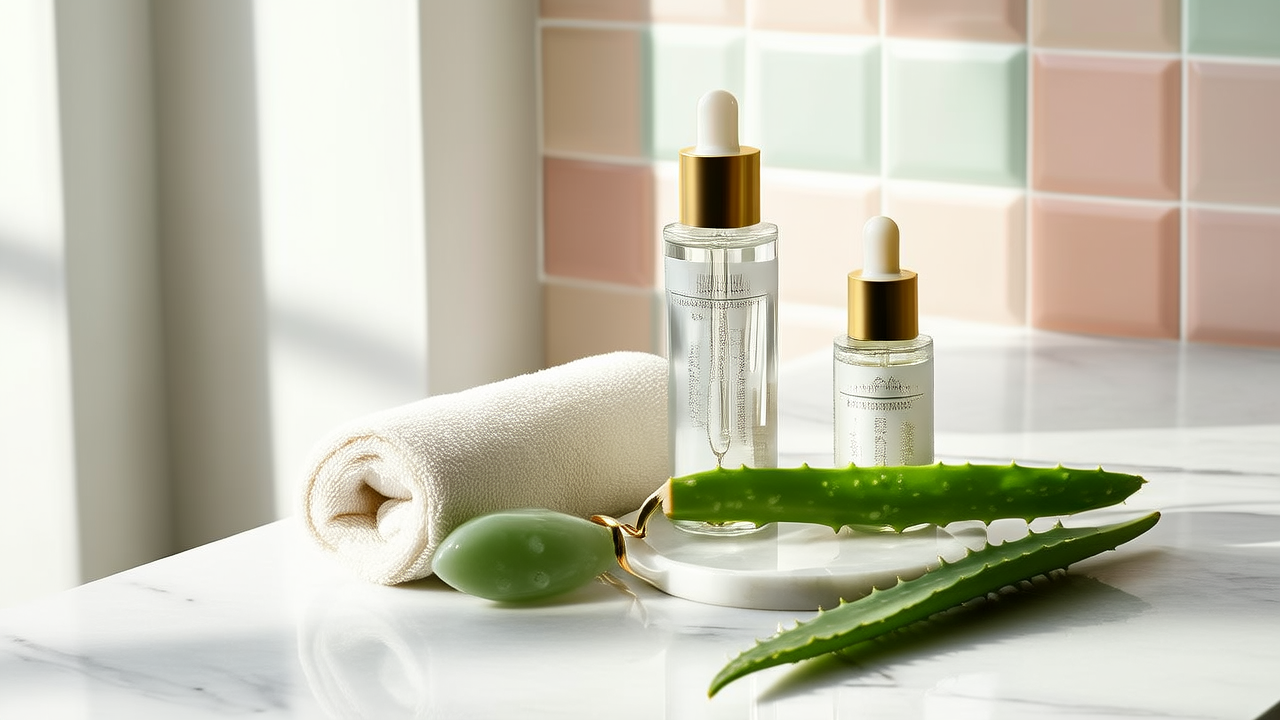
Best Skincare Routines For Ingredients
Best skincare routines for ingredients are most effective when the actives support the same barrier, hydration, and collagen goals rather than fighting one another. As a nail care specialist, I treat hands, cuticles, and nail beds as skin, not decorations. A routine that combines urea, niacinamide, ceramides, hyaluronic acid, peptides, and sunscreen can improve flexibility, reduce hangnails, and keep nail plates smoother. This article explains ingredient groups, morning and evening routines, layering order, patch testing, and product examples using measurable percentages, application amounts, and real brands. The focus is practical, evidence-aware layering for healthier skin around nails, hands, and daily habits.
Why Ingredient Pairing Matters for Skin and Nails
The word skincare often brings faces to mind, but hands are exposed to soap, sanitizer, cold air, UV, and repeated friction. Nail technicians see the result on cuticles and nail plates. A rough cuticle is a skin problem first. A brittle nail with peeling layers can reflect dryness, chemical stress, or a weakened barrier.
Ingredient routines work best when they are grouped by function. Hydration pulls and holds water. Barrier ingredients replace lipids. Resurfacing ingredients improve texture. Repair ingredients support visible smoothing and flexibility. Protection blocks UV and mechanical stress. When those groups are used in a predictable order, the routine becomes measurable rather than decorative.
For example, 10 percent urea can increase hand hydration and soften rough cuticle edges. Ceramides, cholesterol, and fatty acids help restore the skin barrier. SPF 30 or SPF 50 helps prevent pigment changes and collagen damage on the backs of hands. A pea-sized amount of a rich cream, about 0.5 grams, may be enough for one hand and fingers, while a nickel-sized amount, about 1 gram, may be better for both hands.
The Core Ingredient Families to Build Routines Around
Barrier and Hydration Ingredients
Barrier ingredients are the foundation. Look for ceramide NP, ceramide AP, ceramide EOP, cholesterol, glycerin, squalane, panthenol, and allantoin. CeraVe Moisturizing Cream uses three ceramides plus hyaluronic acid, and La Roche-Posay Lipikar Baume AP+M includes niacinamide and shea butter. For cuticle edges, Eucerin Advanced Repair with urea and ceramide can soften without a greasy film.
Hydration ingredients include hyaluronic acid, glycerin, beta-glucan, and sodium PCA. The Ordinary Hyaluronic Acid 2 percent + B5 is a useful example because the percentage is printed. A hydrating serum can be applied to slightly damp skin, then sealed with a cream. If the air is dry, skipping the sealant can make skin feel tighter within an hour.
Signal and Repair Ingredients
Signal ingredients encourage skin to behave like healthy skin. Niacinamide at 2 to 10 percent can improve visible barrier function, reduce redness, and help uneven tone. Paula's Choice 10 percent Niacinamide Booster is a common option, but many people start with 5 percent to reduce flushing. Peptides such as palmitoyl tripeptide-1 and copper peptides may support firmness and repair, but they need consistent use over 8 to 12 weeks.
Retinoids are the most established repair family. Retinol 0.25 percent to 1 percent can improve texture, fine lines, and roughness. Dermalogica Daily Retinol Renewal Complex and La Roche-Posay Retinol B3 Serum are examples. For hands, start two nights per week, then increase to three or four nights. Pair with a ceramide cream to reduce peeling.
Protective and Resurfacing Ingredients
Protection means sunscreen and occlusion. Neutrogena Ultra Sheer Dry-Touch SPF 50 is lightweight for daily hand use, while La Roche-Posay Anthelios Melt-in Milk SPF 60 can work for extended outdoor time. For very dry nights, a thin layer of Aquaphor Healing Ointment or Vaseline can reduce water loss. Use 0.25 to 0.5 grams per hand, enough for a thin film, not a thick mask.
Resurfacing ingredients include alpha hydroxy acids, beta hydroxy acid, and enzymes. Glycolic acid at 8 to 10 percent can smooth rough knuckles and cuticle buildup. Paula's Choice Skin Perfecting 8 percent AHA Gel is a known product. Lactic acid is gentler and hydrating, making it useful for hands. Salicylic acid at 2 percent can help follicular texture, but it may dry cuticles if used too often.
Morning Routine for Ingredient-Forward Skin
A morning routine should protect the skin you can see and the skin around the nails. Use lukewarm water, a gentle cleanser, and a short ingredient list. Neutrogena Hydro Boost Hydrating Cleansing Gel is a simple option, while CeraVe Hydrating Facial Cleanser is better for dry, reactive skin.
- Cleanse for 20 to 30 seconds, then leave the skin slightly damp.
- Apply a hydrating serum with 1 to 2 percent hyaluronic acid or glycerin.
- Apply a barrier cream with ceramides or urea, using about 0.5 gram per hand.
- Apply SPF 30 or SPF 50 to hands and neck if exposed, using about 2.5 milliliters for face and neck and an additional pea to nickel amount for hands.
- Reapply sunscreen after washing hands, after 80 minutes of swimming or sweating, or during long outdoor days.
If you use vitamin C in the morning, start with 10 percent L-ascorbic acid or 2 percent sodium ascorbyl phosphate. SkinCeuticals CE Ferulic uses 15 percent L-ascorbic acid with ferulic acid and vitamin E, but it can sting dry skin. Kiehl's Powerful-Strength Line-Reducing Concentrate uses 12.5 percent vitamin C and is often easier for hands and face. Apply before sunscreen, wait one to two minutes, then seal with moisturizer.
For nail-focused mornings, keep cuticle oil simple. Jojoba oil, squalane, or a blend with vitamin E can be applied with a dropper or brush, about 1 drop per cuticle area. OPI Prospa Hand and Nail Treatment contains shea butter and avocado oil, while Burt's Bees Lemon Butter Cuticle Cream provides a thicker balm. Avoid forcing oil into inflamed skin; apply to the edge and press gently.
Evening Routine That Supports Nail and Cuticle Health
The evening is where repair ingredients work. Remove sunscreen and grime, then apply actives with enough time to absorb. Use a second cleanse only if you wear heavy SPF or occlusive products. Banila Co Clean It Zero and Clinique Take The Day Off are balm examples, while a micellar water such as Garnier SkinActive Micellar Cleansing Water can be a lighter step.
- Cleanse once or twice depending on sunscreen load.
- Apply a treatment such as retinol, AHA, or niacinamide based on tolerance.
- Wait 3 to 5 minutes for the treatment to settle.
- Seal with a rich cream containing urea, ceramides, or peptides.
- Add a thin occlusive to cuticles and rough knuckles if needed.
For rough cuticles, a 10 percent urea cream used nightly can soften edges in 2 to 4 weeks. For callused fingertips, 20 percent urea can be applied three times per week, but not on broken skin. Dr. Dennis Gross Ferulic + Retinol Triple Correction Eye Serum can be used cautiously around the nail fold if the formula is not too strong, but dedicated hand products are easier to dose.
Retinoid nights should not follow an acid night at first. A simple schedule is two retinol nights, one acid night, and four recovery nights for the first month. After six weeks, many people can move to three retinol nights and one acid night. Watch for peeling at the cuticle, redness on knuckles, and stinging after handwashing.
Ingredient Combinations That Work Best
Some combinations are efficient because they address different steps of the same problem. Niacinamide plus ceramides supports barrier and oil balance. Hyaluronic acid plus squalane pulls water and seals it. Urea plus panthenol softens rough skin while soothing. Retinol plus peptides can improve texture and firmness over time. SPF plus vitamin C helps protect collagen from UV and pollution stress.
Use these pairings in a way that reduces irritation. If a niacinamide serum stings, choose a cream with 2 to 5 percent niacinamide rather than a 10 percent booster. If urea feels tingly, use a 5 percent version before moving to 10 percent. If retinol causes dryness, apply moisturizer first, then retinol, then moisturizer again. This sandwich method can cut visible irritation while keeping results.
A good routine for dry hands and brittle nail edges might look like this: morning, hyaluronic acid serum, CeraVe Moisturizing Cream, SPF 50; evening, gentle cleanser, 10 percent urea cream, then a thin layer of jojoba oil. This uses about 1 to 2 milliliters of serum, 1 gram of cream, and 2 to 3 drops of oil total.
Ingredient Combinations to Use Carefully
Not every active should sit on the same night. High-strength acids and retinoids can weaken the cuticle barrier. Benzoyl peroxide can bleach towels and dry knuckles. Fragrance-heavy balms can irritate inflamed skin. Alcohol-heavy sanitizers can make any routine feel ineffective unless barrier creams are used immediately after drying.
- Do not use 15 percent glycolic acid and prescription tretinoin on the same night unless a professional directs it.
- Do not apply strong acids to open hangnails, bitten cuticles, or fresh manicure cuts.
- Do not layer multiple exfoliants in one day; choose one exfoliating night and skip the others.
- Do not rely on biotin supplements alone for brittle nails; 2,500 micrograms daily is common, but evidence is limited and results vary.
- Do not use pure tea tree oil on cuticles without dilution; it can cause contact irritation.
If you use a retinoid, keep a buffer day after handwashing-heavy days. Sanitizer with 60 to 70 percent alcohol is effective, but it removes lipids. A small amount of Eucerin Original Healing Cream after each wash can prevent the tight feeling that leads to peeling.
Sample Ingredient Routine Table by Concern
The table below shows how to match ingredient families to common hand and nail skin concerns. The amounts are practical starting points, not medical prescriptions. Adjust based on tolerance, climate, and how often you wash your hands.
| Concern | Key Ingredients | Product Examples | Measurement and Frequency |
|---|---|---|---|
| Dry cuticles and peeling nail edges | Urea 10 percent, ceramides, panthenol, glycerin | Eucerin Advanced Repair, CeraVe Moisturizing Cream, La Roche-Posay Cicaplast Baume B5 | 0.5 to 1 gram per hand, twice daily |
| Rough knuckles and dull skin | Lactic acid 5 to 10 percent, glycolic acid 8 percent, niacinamide | Paula's Choice 8 percent AHA Gel, The Ordinary Lactic Acid 10 percent + HA | 2 to 3 drops or a pea-sized amount, 2 to 3 nights weekly |
| UV aging and spots on hands | SPF 50, vitamin C, niacinamide, zinc oxide | Neutrogena Ultra Sheer SPF 50, La Roche-Posay Anthelios, Kiehl's Powerful-Strength Line-Reducing Concentrate | 1 gram for hands plus full SPF amount, reapply after washing |
| Thin, brittle nails with dry nail beds | Jojoba oil, squalane, peptides, biotin, hydration | OPI Prospa, Burt's Bees Cuticle Cream, Weleda Skin Food | 1 drop per cuticle, 2 to 3 times daily |
| Redness and reactive barrier | Ceramides, colloidal oatmeal, beta-glucan, low-strength niacinamide | Aveeno Calm + Restore, CeraVe Hydrating Cleanser, La Roche-Posay Toleriane | 1 to 2 grams cream, morning and night |
Testing, Adjusting, and Keeping Results Stable
Before changing a routine, patch test. Apply a small amount behind the ear or on the inner forearm for 3 to 5 nights. The inner elbow is useful because it mimics thin skin. If there is burning, swelling, or a rash that spreads, stop. If skin tolerates the product, move to the hands and cuticles.
Track results with measurable checkpoints. At 2 weeks, look for less tightness after washing. At 4 weeks, check for smoother cuticle edges and fewer hangnails. At 8 weeks, evaluate fine texture, tone, and nail flexibility. Nail plates grow about 3 to 4 millimeters per month on fingers, so visible change often appears when new growth emerges.
Adjust for seasons. In winter, reduce acids to one night weekly and increase occlusion. In summer, keep sunscreen consistent and use lighter gels if heavy creams feel sticky. In humid climates, urea creams can still work well because they support moisture balance, but you may need less oil.
Keep habits simple. Wear gloves for cleaning. Dry hands thoroughly before applying barrier cream. Do not cut live tissue; trim only lifted white edges. Use a file with 180 to 240 grit for gentle shaping. A 240 grit file is safer for natural nails, while 180 grit can be used for thicker nails or product removal.
The best skincare routines for ingredients are not the longest. They are the ones where each product has a job: hydrate, repair, protect, and soften. When those jobs are repeated with consistent amounts and honest testing, the skin around nails becomes more resilient, and the nails themselves look healthier because the supporting tissue is healthier.