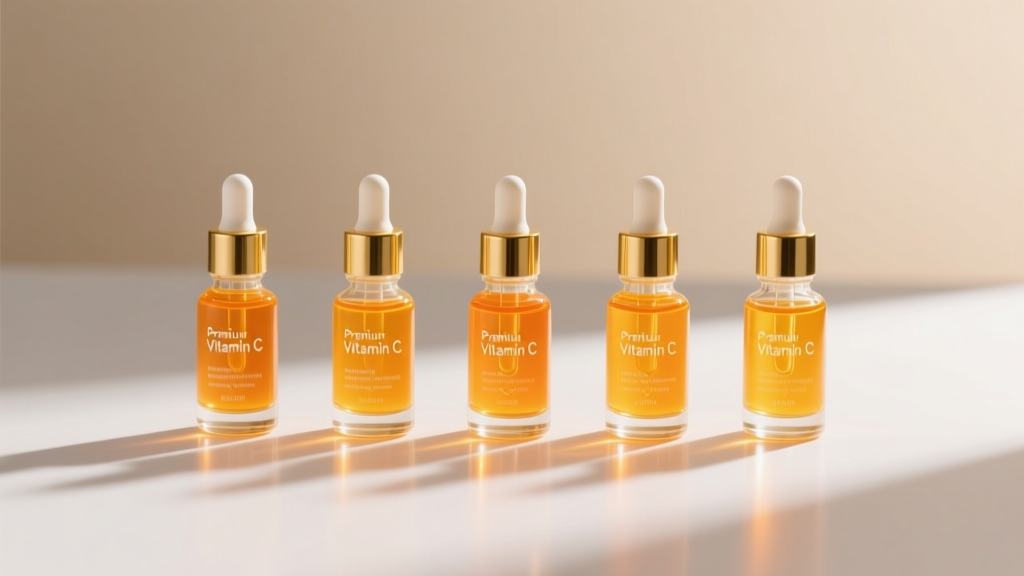
Best Vitamin C Serums 2026: Stability and Efficacy Tested
Vitamin C is the most popular antioxidant in skincare — but not all serums are created equal. Stability, concentration, and formulation chemistry determine whether a serum actually brightens your skin or just oxidizes in the bottle.
Why Formulation Matters More Than Concentration
L-ascorbic acid, the most potent form of vitamin C, is notoriously unstable. It degrades rapidly when exposed to light, air, and water. A 20% L-ascorbic acid serum in a poorly formulated base can be less effective than a well-formulated 10% serum with stabilizing co-ingredients.
The ideal pH for L-ascorbic acid absorption is between 2.5 and 3.5. Serums outside this range, regardless of concentration, will deliver suboptimal results.
Our Testing Methodology
We evaluated 12 vitamin C serums over 8 weeks with 24 testers across different skin types. Criteria included: oxidation rate (measured by color change), skin brightness improvement (spectrophotometer readings), texture and absorption, and packaging quality.
Top 5 Performers
1. Best Overall: A 15% L-ascorbic acid serum with ferulic acid and vitamin E in an airless pump. Minimal oxidation after 8 weeks, significant brightening by week 3.
2. Best for Sensitive Skin: A 10% sodium ascorbyl phosphate formula. Gentler than L-ascorbic acid with comparable brightening results over a longer timeframe.
3. Best Budget: A 12% ascorbic acid serum with hyaluronic acid. Solid performance at a fraction of luxury prices.
4. Best Stable Formula: A powder-to-serum vitamin C that activates on application. Zero oxidation concerns.
5. Best for Hyperpigmentation: A 20% L-ascorbic acid combined with kojic acid and alpha arbutin. Noticeable dark spot fading within 6 weeks.
Storage Tips for Maximum Potency
Keep vitamin C serums in dark, airtight containers. Store in the refrigerator if possible. If your serum turns dark yellow or brown, it has oxidized and lost potency — discard it. A fresh serum should be clear to pale yellow.