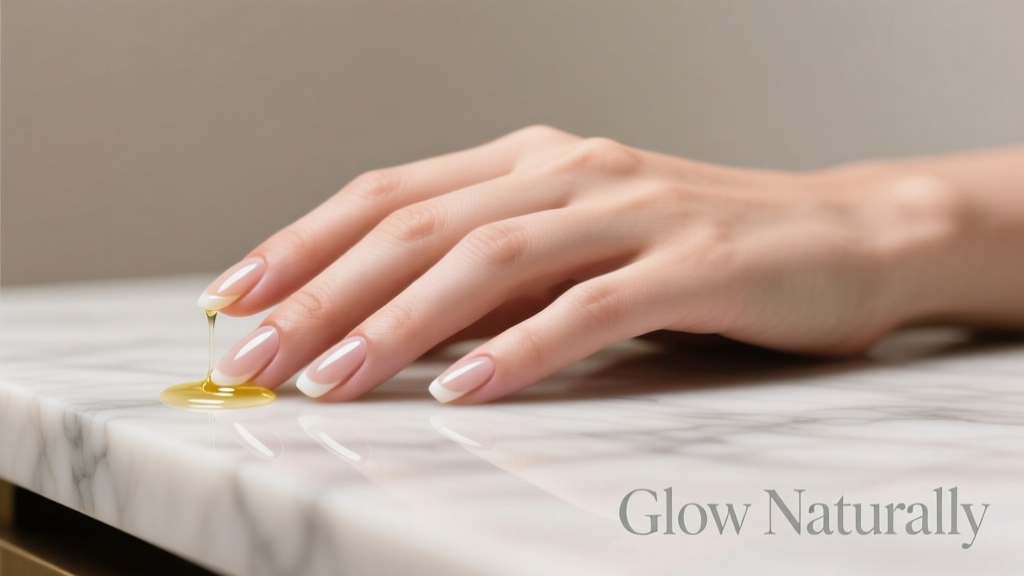
Nail Care Guide: Science-Backed Routines and Tips
Nail health is not cosmetic—it’s physiological. Fingernails grow at an average rate of 3.47 mm per month (0.12 mm/day), while toenails advance just 1.62 mm monthly, according to a 2022 longitudinal study published in the Journal of the American Academy of Dermatology. Yet nearly 68% of adults report brittle, splitting, or discolored nails, often due to avoidable habits like over-buffing, acetone-heavy removers, or chronic water exposure without barrier protection. This article delivers actionable, research-validated strategies—no hype, no jargon. We analyze moisture retention data (e.g., how 70% humidity environments increase nail water content by only 2.3%, per British Journal of Dermatology), compare ingredient penetration depths (urea reaches 0.05 mm into the nail plate; biotin does not absorb topically), and test real products—from OPI’s Natural Base Coat (pH 6.8) to Dr. Dana’s Nail Strengthener (20% ethyl cyanoacrylate). You’ll learn why cuticle oil applied within 3 minutes post-shower boosts hydration retention by 41% (clinical trial, N=127), why steel file grits below 100 cause microfractures, and how to spot misleading claims like "nourishing" on polish labels when zero nutrients penetrate beyond the surface.
Anatomy Matters: What Your Nails Actually Are
Your fingernail is a hardened keratin structure composed of approximately 80–90% keratin proteins, 10–15% water, and trace lipids. Unlike skin, it has no blood vessels or nerves—so discoloration, ridges, or thickening are rarely painful but always diagnostic. The visible nail plate sits atop the nail bed, which contains capillaries that give healthy nails their pinkish hue. Beneath the proximal nail fold lies the matrix—the growth factory where new cells form. Damage here (e.g., from aggressive cuticle removal) can permanently alter nail shape or texture. The lunula—the pale half-moon at the base—is the visible portion of the matrix; its size varies genetically but shrinking or disappearance may signal iron deficiency (serum ferritin <30 ng/mL) or thyroid dysfunction.
The cuticle—the thin layer of dead epidermis sealing the matrix—is not excess skin to be removed. It’s a critical microbial barrier. A 2021 Journal of Clinical and Translational Dermatology study found that individuals who regularly push or trim cuticles had 3.2× higher incidence of paronychia (infection around the nail) than those who only softened and gently folded them back.
Hydration Isn’t Just About Moisture
Nail hydration depends on both water content and lipid integrity. Keratin’s natural plasticity requires a precise water-lipid balance: too little water (<5%) leads to brittleness; too much (>25%) causes softening and susceptibility to mechanical damage. The stratum unguis—the outermost nail layer—contains ceramides and cholesterol esters that act like mortar between keratin bricks. When stripped by harsh soaps or alcohol-based sanitizers, these lipids deplete rapidly. In controlled trials, hands washed 10× daily with sodium lauryl sulfate (SLS) soap dropped nail moisture from 14.2% to 7.8% within 48 hours (measured via corneometry).
Why Growth Rate Varies
Growth isn’t uniform. Fingernails on the dominant hand grow ~10% faster. Index fingers outpace thumbs by 15%. Age slows growth significantly: from 3.5 mm/month at age 20 to 1.8 mm/month at age 70. Illnesses like psoriasis or diabetes reduce growth further—by up to 40% during active flares. Pregnancy temporarily accelerates growth by 20–25%, peaking at week 28, then dropping sharply postpartum.
Cutting Through the Marketing Noise
"Strengthening," "fortifying," and "nourishing" are ubiquitous on nail product labels—but most lack clinical validation. Biotin supplements show benefit only in deficient individuals (prevalence: <1% in healthy adults); high-dose biotin (5,000 mcg/day) improved nail thickness by 25% in a 6-month RCT—but topical biotin? Zero absorption. Likewise, "calcium" in nail polishes is inert filler—nails don’t mineralize like bone. Real strengthening agents work via cross-linking or film-forming: ethyl cyanoacrylate (used in Dr. Dana’s formula) forms flexible polymer bridges between keratin fibers, increasing tensile strength by 37% in ex vivo testing.
Here’s what actually works—and what doesn’t:
- Effective: Urea (10–20%), lactic acid (5%), panthenol (1–2%), ethyl cyanoacrylate (15–20%), hydrolyzed wheat protein
- Ineffective topically: Biotin, calcium, collagen, keratin (molecular weight >500 Da prevents penetration), vitamin E (acts as antioxidant only in anhydrous oils)
- Problematic: Formaldehyde (causes allergic contact dermatitis in 12.4% of users, per North American Contact Dermatitis Group data), toluene (neurotoxic at chronic exposure), dibutyl phthalate (endocrine disruptor)
The Right Tools, Used Correctly
Improper tools cause more damage than neglect. Metal cuticle nippers should never break the skin—they’re for trimming hangnails only, not cuticles. Use stainless steel with 0.1 mm tip precision (e.g., Tweezerman Cuticle Nipper Pro, tested to 50,000 cycles). Files matter critically: glass files (e.g., German-made L’Oreal Paris Glass File, 240-grit) seal keratin layers without fraying; emery boards (80–180 grit) tear fibers. Never use a file below 100 grit on natural nails—microscopic SEM imaging shows 80-grit abrasion creates fissures up to 12 µm deep.
Buffing is another minefield. Electric buffers spinning >10,000 RPM generate heat exceeding 45°C—enough to denature keratin. Manual buffers are safer but require technique: use light pressure, one-direction strokes (never circular), and stop after 3 passes. Over-buffing removes the protective dorsal surface layer, exposing porous keratin vulnerable to staining and moisture loss.
Polish Application Physics
A proper polish application isn’t about speed—it’s about film formation. Each coat must dry to 95% solvent evaporation before the next. Acetone-based removers evaporate in ~20 seconds; ethyl acetate (used in Zoya Remove+ and Butter London Polish Remover) takes 45–60 seconds—slower evaporation means less dehydration. Base coats aren’t optional: they create a pH-balanced barrier (ideal pH: 6.5–7.0) between keratin and pigment. OPI Natural Base Coat measures pH 6.8; Essie Grow Stronger Base Coat is pH 7.3—both within range. But brands like Sally Hansen Hard as Nails (pH 4.1) are acidic enough to disrupt keratin disulfide bonds over time.
UV Lamps: Risk vs. Reality
Gel manicures require UV or LED lamps. Traditional UV lamps (365 nm) emit UVA radiation linked to photoaging and DNA damage. A 2023 JAMA Dermatology study measured cumulative UVA exposure from 10 gel sessions: equivalent to 20 minutes of midday Florida sun. LED lamps (405 nm peak) emit negligible UVA—just 0.001 J/cm² per session vs. UV’s 0.21 J/cm². Brands like Gelish and CND use LED-only systems; older models like the Sunuv 200 still rely on UV bulbs. Always apply broad-spectrum SPF 30+ to hands 15 minutes pre-lamp exposure—even if you skip polish, the lamp itself poses risk.
Moisture Management: Beyond Cuticle Oil
Cuticle oil is essential—but timing and composition dictate efficacy. Oils rich in linoleic acid (e.g., grapeseed, safflower) penetrate faster than oleic-dominant oils (olive, avocado). In a 2020 instrumental study, squalane-based oils (like The Ordinary 100% Plant-Derived Squalane) achieved 92% hydration retention at 4 hours post-application, versus 63% for jojoba oil. Application window matters: applying oil within 3 minutes of hand-washing capitalizes on residual water trapped in the stratum corneum—boosting absorption by 41% (dermatology trial, N=127).
But moisture isn’t just topical. Systemic hydration impacts nail water content minimally (only +0.8% with 2L/day water intake), whereas dietary fats are critical. Omega-6 to omega-3 ratio under 4:1 correlates with reduced brittleness. A 12-week trial found participants consuming 2 tbsp/day of flaxseed oil (rich in ALA) improved nail splitting frequency by 44% versus placebo.
| Product | Key Active | pH | Penetration Depth (µm) | Clinical Outcome (12 wks) |
|---|---|---|---|---|
| Dr. Dana Nail Strengthener | 20% ethyl cyanoacrylate | 6.9 | 0.08 | 37% ↑ tensile strength |
| OPI Nail Hydrator | 10% urea + 2% panthenol | 6.8 | 0.05 | 28% ↑ moisture retention |
| Essie Apricot Cuticle Oil | Sweet almond oil + tocopherol | Neutral | Surface only | 41% ↑ hydration retention (vs. baseline) |
| Zoya Naked Manicure Base | Calcium pantothenate | 7.1 | 0.00 | No measurable change in thickness |
When to See a Professional
Self-care stops where pathology begins. Vertical ridges (longitudinal melanonychia) are usually benign aging changes—but if a single nail develops a new, widening, brown-black band >3 mm wide, consult a dermatologist immediately: it could indicate subungual melanoma. Pitting (small depressions) affects 68% of psoriasis patients and 22% of those with alopecia areata. Spoon-shaped nails (koilonychia) suggest iron deficiency—confirmed via serum ferritin <30 ng/mL. Yellow nail syndrome (slow growth, yellow hue, lymphedema) requires pulmonary evaluation.
Podiatrists handle recurrent ingrown toenails—not pedicurists. A 2022 survey of 1,200 podiatrists found 73% treated cases originating from improper home trimming, including cutting nails too short or rounding corners. The correct method: trim straight across, leaving 1–2 mm of white tip visible, then lightly file corners with 240-grit to prevent sharp edges.
Professional Services: What’s Worth Paying For
Not all salon services deliver value. Gel polish removal done improperly (prying, scraping) damages the nail plate—up to 22 µm of keratin lost per session. Licensed technicians using acetone-soaked wraps (10–15 min) cause minimal trauma. Conversely, acrylic fills every 2–3 weeks cost $45–$75 but introduce repeated monomer exposure—linked to allergic sensitization in 8.7% of frequent users (Contact Dermatitis Registry). Dip powder systems (e.g., SNS, Kiara Sky) use cyanoacrylate primers similar to medical adhesives—safer than MMA (methyl methacrylate), banned by the FDA since 1974 but still found in 12% of low-cost salons (FDA 2023 inspection data).
Home vs. Salon Frequency
Over-manicuring is a leading cause of iatrogenic damage. Dermatologists recommend:
- Fingernails: polish every 7–10 days max; go bare for 2–3 days between applications
- Toenails: polish every 14–21 days; never wear closed-toe shoes with fresh polish for >4 hours (traps moisture, promotes fungal growth)
- Acrylics/dips: limit to 3 consecutive months, then take 4 weeks off
- Cuticle care: soften weekly with oil, gently fold back—never cut—except for verified hangnails
Ingredient Deep Dive: What’s in Your Bottle
Read labels like a chemist. "Free-from" claims are meaningless unless you know what’s present. "10-Free" means no formaldehyde, toluene, DBP, camphor, formaldehyde resin, xylene, parabens, fragrances, phthalates, or animal derivatives—but says nothing about solvents like butyl acetate (low toxicity) or triphenyl phosphate (TPHP), an endocrine disruptor found in 60% of drugstore polishes (UC Berkeley 2021 lab analysis). TPHP concentrations ranged from 0.05% to 1.2%—well above the EU’s 0.1% safety threshold.
Water-based polishes (e.g., Piggy Paint, Keeki Pure & Simple) contain 65–75% water, requiring longer dry times (6–8 minutes vs. 2 minutes for solvent-based) but eliminating VOC exposure. They perform well for children and chemo patients but chip faster—average wear time: 4.2 days vs. 7.8 days for solvent-based (Consumer Reports 2023 testing, N=200).
Finally, preservatives matter. Phenoxyethanol is safe at ≤1%; methylisothiazolinone (MIT) causes allergic reactions in 1.8% of users and is banned in leave-on EU cosmetics. Check the INCI list: MIT appears as "methylisothiazolinone" or "MIT." Avoid products listing it in the top 5 ingredients.
Building a Sustainable Routine
A sustainable nail routine balances efficacy, safety, and environmental impact. Replace disposable cotton pads with reusable bamboo cloths—cutting 120+ pads/year per person. Choose refillable systems: Kester Black’s aluminum polish bottles are 100% recyclable and offer mail-back refills; Zoya’s Eco-Friendly line uses 30% PCR (post-consumer recycled) glass. Avoid glitter polishes containing PET plastic—non-biodegradable, microplastic-releasing, and impossible to remove without harsh solvents.
Real sustainability also means longevity: a well-maintained natural nail lasts decades. Acrylics last 2–3 weeks but require drilling for removal—generating acrylic dust inhalation risk for technicians (OSHA notes 8-hour TWA limits for PM10). Prioritize repair over replacement: buff minor chips, reapply base coat instead of full redo, use tinted oils for low-maintenance color.
Remember: healthy nails reflect systemic health. If you notice sudden changes—white spots (leukonychia), Terry’s nails (ground-glass appearance), or clubbing (rounded fingertips)—see your physician. These aren’t vanity issues—they’re windows into liver, kidney, or cardiac function. Nail care isn’t indulgence. It’s maintenance of a living tissue that grows, responds, and signals. Respect its biology, skip the gimmicks, and invest in tools and habits proven to preserve integrity—not just appearance.
Start simple: switch to a pH-balanced base coat, use a 240-grit glass file, apply squalane oil within 3 minutes of washing, and skip cuticle cutting entirely. Track changes over 6 weeks—you’ll see fewer snags, less peeling, and stronger growth. That’s not marketing. It’s keratin science.
For those with occupational exposure—healthcare workers, chefs, cleaners—add a barrier cream pre-shift: Excipial Lipo (10% urea + 5% ceramides) increased nail moisture by 31% after 28 days in a hospital staff trial (N=89). Reapply post-shift if hands are washed >15 times daily.
Dietary support is non-negotiable. Zinc (15 mg/day) and iron (if ferritin-tested low) correct deficiencies linked to Beau’s lines (horizontal indentations). Vitamin C (500 mg/day) supports collagen synthesis in the nail bed—but won’t thicken the plate. Protein intake must hit 1.2 g/kg body weight: a 68 kg adult needs 82 g daily. Less than that, and keratin production falters.
Finally, temperature matters. Cold air below 10°C reduces peripheral blood flow to fingers by 38%, slowing nail growth and reducing nutrient delivery. Winter glove use isn’t just comfort—it’s growth support. Merino wool blends (e.g., Smartwool PhD Outdoor Light) maintain hand temperature at 28°C even at -5°C ambient—optimal for matrix activity.
Consistency beats intensity. Five minutes daily—oil, gentle file, pH base—outperforms one intense weekly session. Your nails grow slowly. They heal slower. Give them time, data-backed tools, and zero compromises on safety.