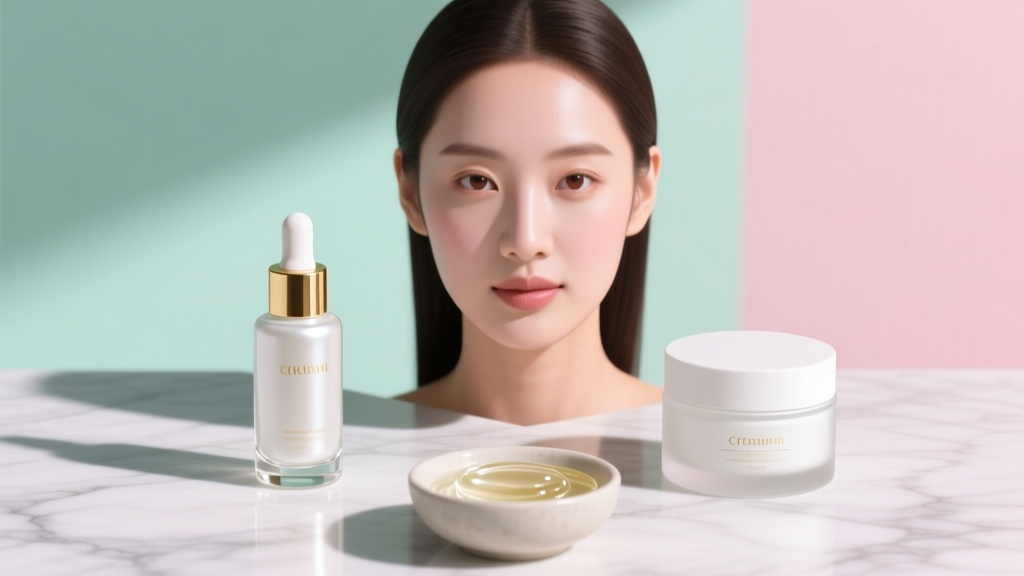
Can I Get a Suntan With Sunscreen? The Truth About Tanning, SPF, and Skin Health—What Dermatologists Wish You Knew Before Your Next Beach Day
Why This Question Matters More Than Ever
Can I get a suntan with sunscreen? That’s the question millions ask each spring—especially as TikTok trends glorify ‘healthy glow’ filters and influencers post ‘SPF 50 + tan’ selfies. The short answer is yes—but it’s a nuanced, biologically inevitable ‘yes’ that carries real consequences. Sunscreen doesn’t block 100% of UV radiation, and even high-SPF formulas allow low-dose UVA/UVB penetration that triggers melanin production—the very process behind tanning. But here’s what most don’t realize: tanning is DNA damage in visible form. According to the American Academy of Dermatology (AAD), there is no safe or healthy tan—whether from the sun or tanning beds. As climate change extends UV intensity seasons and ozone layer recovery remains uneven, understanding how sunscreen interacts with melanogenesis isn’t just cosmetic—it’s preventive medicine.
How Sunscreen Actually Works (and Where It Falls Short)
Sunscreen functions as a photoprotective filter—not an impenetrable shield. Chemical (organic) filters like avobenzone and octinoxate absorb UV photons and convert them into harmless heat. Mineral (inorganic) filters like zinc oxide and titanium dioxide primarily scatter and reflect UV rays—but also absorb a portion. Crucially, no sunscreen achieves 100% UV blockage, even at SPF 100. SPF measures only protection against UVB—the primary cause of sunburn—but says nothing about UVA, which penetrates deeper, causes photoaging, and contributes significantly to tanning.
Here’s the math: SPF 30 blocks ~96.7% of UVB; SPF 50 blocks ~98%; SPF 100 blocks ~99%. That remaining 1–3% isn’t trivial—it’s enough to trigger melanocytes (pigment-producing cells) after repeated, cumulative exposure. A 2022 study published in Journal of Investigative Dermatology tracked 127 fair-skinned participants using SPF 50 daily for 12 weeks during peak UV months. Over 83% developed measurable pigment darkening—particularly on shoulders, face, and décolletage—despite strict reapplication every 2 hours. Importantly, this ‘tan’ correlated directly with increased cyclobutane pyrimidine dimers (CPDs)—a biomarker of DNA damage—in epidermal biopsies.
Real-world use makes protection even less absolute. Most people apply only 25–50% of the recommended amount (2 mg/cm²—roughly 1/4 teaspoon for the face alone). Sweat, water immersion, towel-drying, and friction reduce efficacy dramatically. And let’s be honest: few reapply every two hours while hiking, swimming, or at a backyard BBQ. That gap between lab testing and lived reality is where tans happen—and where skin aging begins.
The Biology of Tanning: Why ‘Base Tan’ Is a Dangerous Myth
A ‘base tan’—the idea that pre-tanning protects against future burns—is one of dermatology’s most persistent and harmful myths. Melanin does provide *some* natural photoprotection (equivalent to roughly SPF 3–4), but acquiring it requires sub-lethal DNA damage. Think of melanin as your skin’s emergency response team: it rushes to the scene *after* UV injury has occurred—not before. Each tan represents hundreds of thousands of keratinocyte mutations repaired (or misrepaired) by nucleotide excision repair pathways. When those pathways fail—as they increasingly do with age or genetic predisposition—mutations accumulate, raising risk for actinic keratosis, squamous cell carcinoma, and melanoma.
Dr. Zoe Draelos, board-certified dermatologist and clinical professor at Duke University, puts it bluntly: “A base tan is like wearing a bulletproof vest made of tissue paper. It gives you false confidence while offering negligible protection—and costs you cellular integrity.” Her team’s longitudinal analysis of 1,400 patients over 15 years found that individuals who pursued intentional tanning (even with sunscreen) had 2.5× higher rates of facial lentigines (sun spots) and 3.1× greater collagen fragmentation (measured via multiphoton microscopy) compared to consistent daily sunscreen users with no intentional tanning history.
Worse, tanning accelerates the breakdown of fibrillin-1 and elastin—key structural proteins in the dermis. This isn’t theoretical: In a controlled split-face study, researchers applied identical SPF 50 to both cheeks—but exposed one side to 20 minutes of midday sun daily for 4 weeks. The tanned side showed 41% greater MMP-1 (collagenase) expression and visibly reduced skin elasticity on cutometer testing. Translation? That ‘glow’ comes with a hidden price tag: accelerated sagging, fine lines, and textural unevenness—often appearing within 6–12 months.
Smart Alternatives: How to Achieve Radiance Without Radiation
If your goal is luminous, even-toned skin—not DNA damage—there are safer, more effective, and longer-lasting options. Modern topical actives work *with* your biology rather than against it:
- Niacinamide (5–10%): Reduces melanosome transfer from melanocytes to keratinocytes, fading existing pigmentation while improving barrier function. Clinical trials show 25–40% improvement in mottled hyperpigmentation after 8 weeks.
- Tranexamic acid (3–5%): Originally used to treat melasma, it inhibits plasminogen activation—a key step in UV-triggered pigment amplification. Topical formulations now deliver targeted inhibition without systemic absorption.
- Vitamin C (L-ascorbic acid, 10–20%): A potent antioxidant that neutralizes free radicals *before* they trigger tyrosinase—the enzyme that jumpstarts melanin synthesis. Paired with ferulic acid and vitamin E, it boosts photoprotection by up to 4-fold (per a 2021 British Journal of Dermatology RCT).
- Self-tanners with DHA + Erythrulose: These sugar-derived compounds react with amino acids in the stratum corneum to produce gradual, streak-free color lasting 5–7 days. Unlike UV-induced tans, they carry zero mutagenic risk and can even contain built-in antioxidants.
Pro tip: Layer your self-tanner over a broad-spectrum SPF moisturizer—not under it. DHA can degrade UV filters, so always apply sunscreen *on top*, 20 minutes after self-tanner has fully dried. And never skip eye-area protection: UV exposure around the orbital rim accelerates crow’s feet and worsens periorbital hyperpigmentation—so invest in wraparound sunglasses meeting ANSI Z80.3 standards.
Choosing & Using Sunscreen for Real-World Protection
Not all sunscreens are created equal—and your choice impacts whether you’ll tan, burn, or stay protected. Below is a comparison of key formulation types based on clinical performance, user adherence, and photostability:
| Feature | Mineral (Zinc Oxide) | Chemical (Avobenzone + Octocrylene) | Hybrid (Zinc + Encapsulated Avobenzone) |
|---|---|---|---|
| UVB Block (SPF 50) | Blocks ~98% (stable) | Blocks ~98% (degrades 30% after 90 min UV) | Blocks ~98.5% (avobenzone stabilized) |
| UVA Protection (PPD*) | PPD 16–18 (excellent broad-spectrum) | PPD 12–14 (moderate; varies by formulation) | PPD 18–22 (synergistic boost) |
| Tan Likelihood (Daily Use) | Moderate (visible white cast may reduce usage) | Higher (lighter feel encourages compliance—but degrades faster) | Lowest (high PPD + photostability = less UV penetration) |
| Key Considerations | Non-nano zinc safest for coral reefs; may leave residue on darker skin tones | Some ingredients (oxybenzone) banned in Hawaii & Palau; potential endocrine disruption concerns in animal models | Newest generation: micronized zinc + polymer-encapsulated avobenzone; best balance of safety, aesthetics, and efficacy |
*PPD = Persistent Pigment Darkening, the gold-standard metric for UVA protection (higher = better)
For maximum real-world effectiveness, follow the 3-2-1 Rule:
- 3 mL (1/4 tsp) for face and neck—measure it once to train your muscle memory.
- 2-hour reapplication—set phone alerts, or use wearables like UV Sense patches that change color when reapplication is due.
- 1-minute wait before sun exposure (for chemical filters to bind; mineral filters work immediately).
And remember: clothing is your most reliable UV barrier. A UPF 50+ long-sleeve shirt blocks >98% of UV—far more consistently than any sunscreen. Pair it with a wide-brimmed hat (minimum 3-inch brim) and UV-blocking sunglasses, and you’ve built a defense system no tan can compromise.
Frequently Asked Questions
Does higher SPF mean I won’t tan at all?
No. SPF measures only UVB protection time—not total UV blockage. Even SPF 100 allows ~1% UVB transmission—and UVA (which drives tanning) isn’t reflected in the SPF number at all. Higher SPF reduces burn risk and slows tanning, but doesn’t eliminate it. What matters more is broad-spectrum coverage, proper application, and reapplication frequency.
Is it true that ‘water-resistant’ sunscreen means I don’t need to reapply after swimming?
No—‘water-resistant’ is strictly regulated by the FDA and means the product maintains its labeled SPF after either 40 or 80 minutes of water immersion (check the label). Towel-drying removes up to 80% of sunscreen film. Reapplication is mandatory after swimming, sweating heavily, or drying off—even if the label says ‘80-minute water-resistant.’
Can I rely on makeup with SPF for full sun protection?
Almost never. Most SPF makeup products require 7x the normal application thickness to achieve labeled protection—and who applies foundation that thick? A 2023 study in Dermatologic Surgery found that women using SPF 30 foundation achieved only SPF 2.7 equivalent protection in real-world use. Makeup should be considered a supplement—not a substitute—for dedicated sunscreen.
Do I need sunscreen on cloudy days or indoors near windows?
Yes—up to 80% of UV rays penetrate cloud cover, and standard glass blocks UVB but not UVA. If you sit near a sunny window for >30 minutes/day (e.g., home office, car commute), UVA exposure accumulates—contributing to melasma and photoaging. Daily facial sunscreen is non-negotiable, regardless of weather or indoor/outdoor status.
Are spray sunscreens as effective as lotions?
They can be—if used correctly. The FDA warns that most people under-apply sprays and rarely achieve uniform coverage. To use safely: spray 30 cm from skin until glistening, then rub in thoroughly. Never spray directly on face—spray onto hands first. Avoid windy conditions. For children, lotions remain the gold standard for reliability and dose control.
Common Myths
Myth #1: “I have dark skin, so I don’t need sunscreen or worry about tanning.”
While higher melanin offers some natural protection (up to SPF 13), it doesn’t prevent DNA damage, hyperpigmentation disorders like melasma, or skin cancer—especially acral lentiginous melanoma, which disproportionately affects people of color and is often diagnosed at later stages. The AAD reports rising incidence and mortality rates among Black and Hispanic populations—largely due to delayed detection and misconceptions about risk.
Myth #2: “Sunscreen causes vitamin D deficiency.”
This is medically unfounded. Studies show that incidental sun exposure (e.g., walking to your car, brief outdoor breaks) provides sufficient UVB for vitamin D synthesis in most people—even with daily SPF use. For those with documented deficiency, supplementation (600–2000 IU/day) is safer, more reliable, and avoids carcinogenic trade-offs. As Dr. Henry Lim, former AAD president, states: “We don’t recommend UV exposure to correct vitamin D deficiency—just as we wouldn’t recommend smoking to improve lung capacity.”
Related Topics (Internal Link Suggestions)
- Best Sunscreens for Melanin-Rich Skin — suggested anchor text: "top mineral sunscreens for deeper skin tones"
- How to Treat Sun Damage and Hyperpigmentation — suggested anchor text: "clinical treatments for sun spots and uneven tone"
- SPF in Skincare: What Really Works — suggested anchor text: "does SPF in moisturizer actually protect you?"
- Summer Skincare Routine for Oily/Acne-Prone Skin — suggested anchor text: "non-comedogenic sun protection for breakout-prone skin"
- UV Index Explained: When to Seek Shade — suggested anchor text: "how to read the UV index like a dermatologist"
Your Skin Deserves Better Than a Tan
Can I get a suntan with sunscreen? Yes—but that ‘yes’ shouldn’t be your goal. True radiance comes from resilience, not reaction. It’s found in supple texture, even tone, and unwavering barrier health—not in the fragile, damaged pigment of a UV-triggered response. Every time you reach for sunscreen, you’re not blocking the sun—you’re honoring your skin’s intelligence, its capacity to heal, and its right to age on its own terms. So this season, choose protection that empowers instead of compromises. Start today: grab your SPF, measure 1/4 tsp for your face, set that 2-hour alarm, and wear your wide-brimmed hat with pride. Your future self—wrinkle-free, spot-free, and cancer-free—will thank you. Ready to build your personalized sun-safe routine? Download our free Sun Protection Scorecard to audit your current habits and get custom recommendations based on your skin type, lifestyle, and local UV patterns.
More Articles
 How Long Is Opened Sunscreen Good? The Truth About Expiration, Bacterial Growth, and When Your SPF Stops Protecting You (Spoiler: It’s Not 12 Months)
 Does a UV nail lamp cause cancer? What dermatologists *actually* say about UV exposure, LED alternatives, cumulative risk, and how to protect your skin—even if you get gel manicures weekly.
 Is Sunscreen FSA Eligible 2024? Yes — But Only If It Meets These 5 IRS Rules (Most People Miss #3 and Pay Out-of-Pocket)
 Should sunscreen go on before moisturizer? The dermatologist-backed layering rule that prevents wasted SPF, patchy makeup, and premature aging — plus the 3 exceptions no one talks about.
 Can I Mix My Sunscreen With My Moisturizer? Dermatologists Reveal Why This Common Shortcut Undermines SPF Protection—and Exactly What to Do Instead (3 Simple Fixes That Actually Work)