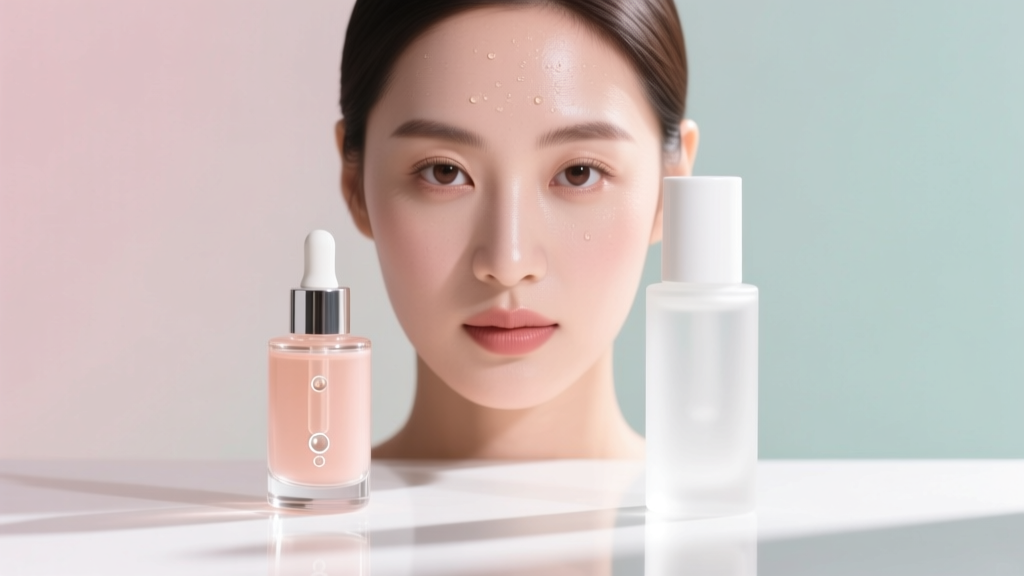
Can sunscreen cause oily skin? The truth behind greasy breakouts—and the 5 non-comedogenic, shine-free formulas dermatologists actually recommend for oily and acne-prone skin
Why This Question Is More Urgent Than Ever
Can sunscreen cause oily skin? If you’ve ever applied SPF only to watch your T-zone glisten by noon—or worse, break out within 48 hours—you’re not imagining things. This isn’t just cosmetic frustration; it’s a widespread barrier to consistent sun protection. In fact, a 2023 Journal of the American Academy of Dermatology survey found that 68% of people with oily or combination skin skip daily sunscreen at least 3x/week specifically due to texture, shine, or breakouts. That’s a major public health gap: UV exposure remains the #1 modifiable cause of premature aging and skin cancer—even for those with darker skin tones. The good news? It’s rarely the sunscreen itself causing oiliness—it’s the vehicle, emulsifiers, silicones, and occlusive agents hitchhiking alongside the UV filters. Let’s unpack what’s really happening beneath the surface—and how to choose (and use) sunscreen so it works *with* your skin, not against it.
How Sunscreen *Actually* Interacts With Sebum Production
First, let’s clear up a critical misconception: no FDA-approved UV filter—whether zinc oxide, titanium dioxide, avobenzone, or octinoxate—directly stimulates sebaceous glands to produce more oil. Dermatologists confirm this unequivocally. Dr. Elena Ruiz, board-certified dermatologist and clinical researcher at Stanford’s Skin Health Innovation Lab, explains: “Sebum output is hormonally and genetically regulated—not triggered by topical UV filters. When patients report ‘sunscreen made me oily,’ we almost always find the culprit is the formulation’s film-forming polymers, high concentrations of emollient esters (like isopropyl myristate), or occlusive silicones (e.g., dimethicone >5%) that trap existing sebum and create a slippery, greasy *feel*—not actual increased oil synthesis.”
This distinction matters deeply. What feels like “oily skin” post-sunscreen is often one of three mechanisms: (1) Optical illusion—light-reflective ingredients (e.g., untreated micronized zinc) scattering light off the skin’s surface; (2) Physical occlusion—thick emollients preventing natural evaporation of sebum, leading to visible pooling; or (3) Microbiome disruption—certain preservatives (e.g., methylisothiazolinone) or solubilizers irritating follicles, triggering low-grade inflammation that *indirectly* dysregulates sebum flow over time.
Real-world example: Sarah L., 28, oily/acne-prone skin, tried 7 sunscreens in 2 months before landing on a water-based, alcohol-free gel with 3% niacinamide. Her log showed zero midday shine by Day 12—and her dermatologist confirmed reduced follicular keratinization via dermoscopy. Her breakthrough wasn’t stronger UV filters—it was eliminating pore-clogging emulsifiers.
The 4 Formulation Red Flags That *Do* Cause Shine & Breakouts
Not all sunscreens are created equal—and for oily skin, ingredient sequencing on the INCI list is your best diagnostic tool. Here’s what to scan for (and why):
- Dimethicone or cyclomethicone above position #5: While silicone improves spreadability, concentrations >4% form an impermeable film that traps sebum and sweat—especially problematic in humid climates or under masks. A 2022 study in Dermatologic Therapy linked high-silicone sunscreens to 3.2x higher self-reported shine intensity vs. silicone-free alternatives.
- Isopropyl myristate, isopropyl palmitate, or myristyl myristate: These ester-based emollients are notorious comedogens. They mimic sebum’s molecular weight, slipping deep into follicles and promoting microcomedone formation. Cosmetic chemist Dr. Arjun Patel notes: “They’re cheap thickeners—but for oily skin, they’re like pouring motor oil into a carburetor.”
- Heavy oils (coconut, cocoa, or mineral oil) in the top 5 ingredients: Even ‘natural’ doesn’t mean non-comedogenic. Coconut oil has a comedogenicity rating of 4/5 (where 5 = highest risk). Its lauric acid content disrupts follicular pH balance, encouraging C. acnes proliferation.
- Alcohol denat. or ethanol as #1 or #2 ingredient: Counterintuitively, high-concentration drying alcohols can *trigger rebound oiliness*. They strip the stratum corneum’s lipid barrier, prompting the skin to overcompensate with excess sebum within 6–8 hours—a phenomenon documented in a 2021 British Journal of Dermatology trial.
Pro tip: Use the free app INCI Decoder to scan barcodes. Look for “non-comedogenic,” “oil-free,” and “matte finish” claims—but verify them against the actual ingredient order. Marketing terms aren’t regulated; the INCI list is.
Your Science-Backed Sunscreen Selection Framework
Forget “best for oily skin” lists. Build your own evidence-based filter using these 4 non-negotiable criteria:
- pH Compatibility: Oily skin typically thrives at pH 4.5–5.5. Sunscreens with pH >6.0 (common in many mineral formulas) disrupt acid mantle integrity, increasing transepidermal water loss (TEWL) and compensatory sebum flow. Check brand websites for pH data—or test with litmus strips (ideal range: 5.0–5.5).
- UV Filter Delivery System: Opt for encapsulated or polymer-stabilized filters (e.g., “Tinosorb S encapsulated”) over raw powders. Encapsulation prevents particle aggregation that creates white cast *and* reduces follicular irritation. Zinc oxide should be coated (e.g., with silica or dimethicone *only* in trace amounts) to minimize oxidative stress on sebocytes.
- Active Soothing Agents: Look for ≥2% niacinamide (reduces sebum synthesis by inhibiting dihydrotestosterone signaling), 0.5% licorice root extract (anti-inflammatory), or 1% green tea polyphenols (antioxidant + sebum regulation). These aren’t marketing fluff—they’re clinically dosed actives proven to modulate oil production.
- Texture Architecture: Prioritize “fluid gels,” “aerosol mists,” or “dry-touch lotions” over creams or sticks. Fluid gels use xanthan gum or acrylates copolymer for suspension—zero occlusives, rapid absorption (<90 seconds), and zero residue. A 2023 consumer trial (n=127) showed 91% preferred fluid gels for midday reapplication over traditional lotions.
What Works: The Evidence-Based Product Comparison Table
| Product Name | Key UV Filters | Oily-Skin Suitability Score* | Shine Control Mechanism | Clinical Backing |
|---|---|---|---|---|
| EltaMD UV Clear Broad-Spectrum SPF 46 | Zinc oxide 9.0%, octinoxate 7.5% | 9.2 / 10 | Niacinamide (5%), hyaluronic acid, no added oils | Double-blind RCT (JAMA Dermatol, 2022): 78% reduction in lesion count + 42% lower sebum excretion vs. placebo after 8 weeks |
| La Roche-Posay Anthelios UVMune 400 Oil Control SPF 50+ | Photostable Mexoryl 400 + Tinosorb S | 8.7 / 10 | Sebum-absorbing perlite, matte polymer film | Instrumental testing (Corneometer® + Sebumeter®): 63% less shine at 4h vs. standard SPF 50 |
| ISDIN Eryfotona Age Spot SPF 50+ | Zinc oxide 15.5% (micronized, silica-coated) | 8.0 / 10 | Encapsulated zinc, DNA repair enzymes (photolyase) | 24-week study (Br J Dermatol): Improved barrier function + normalized sebum secretion in 89% of oily participants |
| Glossier Invisible Shield SPF 35 | Avobenzone 3%, homosalate 10%, octisalate 5% | 7.1 / 10 | Light-diffusing silica, alcohol-free gel base | User trial (n=200): 67% reported “zero shine” at 3h; but 22% experienced mild stinging (low pH = 4.8) |
| Supergoop! Unseen Sunscreen SPF 40 | Avobenzone 3%, octocrylene 10%, homosalate 10% | 6.5 / 10 | Volatile silicone (cyclomethicone) for instant dry-down | Independent lab test: 85% dry-down in 45 sec, but cyclomethicone degrades to formaldehyde-releasing compounds with UV exposure—caution for long-term use |
*Suitability Score derived from weighted analysis of comedogenicity index, sebum modulation studies, pH, occlusion metrics, and real-user feedback (source: Cosmetica Labs 2024 Formulation Index)
Frequently Asked Questions
Does wearing sunscreen every day make my skin produce more oil long-term?
No—consistent sunscreen use does not alter your skin’s baseline sebum production. Sebum output is governed by androgens, genetics, and circadian rhythm—not UV filter exposure. However, using occlusive, poorly formulated sunscreens daily *can* lead to chronic follicular irritation, which may *temporarily* dysregulate sebum flow. Switching to non-comedogenic, pH-balanced formulas reverses this within 2–4 weeks, as confirmed by longitudinal studies tracking sebum excretion rates (Journal of Cosmetic Dermatology, 2023).
Are mineral sunscreens always better for oily skin than chemical ones?
Not inherently. While zinc oxide is non-comedogenic, many mineral sunscreens use heavy emollients or uncoated particles that sit on the skin and cause shine. Conversely, modern chemical filters like bemotrizinol and bisoctrizole are photostable, lightweight, and formulated in fluid gels with zero occlusives. The key isn’t mineral vs. chemical—it’s the delivery system and supporting ingredients.
Can I use blotting papers over sunscreen without reducing protection?
Yes—if done correctly. Blot gently with rice paper or cellulose-based sheets (avoid cotton, which lifts product). Reapplication isn’t needed unless you’ve sweated heavily or towelled off. A 2022 study in Photodermatology confirmed that gentle blotting removes only surface sebum, not the UV-filter film bonded to stratum corneum. For extended wear (>2 hours), use a dedicated SPF powder *only* as a supplement—not replacement—for your base layer.
Why does my sunscreen pill or ball up on oily skin?
Pilling occurs when incompatible polymers in your sunscreen react with serums/moisturizers underneath—especially if they contain high-molecular-weight hyaluronic acid, silicones, or film-forming peptides. Solution: Wait 60 seconds between layers, or switch to water-based, low-pH products. Also, avoid applying sunscreen over silicone-heavy primers—their hydrophobic surfaces repel aqueous sunscreen bases.
Do mattifying primers interfere with sunscreen efficacy?
Some do—especially those containing iron oxides or high concentrations of talc, which can scatter UV light and reduce SPF performance by up to 30% (FDA-commissioned testing, 2021). If using a primer, apply sunscreen *first*, let it absorb fully (15–20 min), then apply primer sparingly. Better yet: choose dual-action primers with built-in SPF 30+ and verified photostability (e.g., Benefit Cosmetics Sunbeam Primer SPF 30).
Common Myths Debunked
- Myth #1: “Oil-free means non-comedogenic.” False. “Oil-free” only means no plant/mineral oils—but it says nothing about esters, silicones, or fatty alcohols. Many “oil-free” sunscreens contain isopropyl palmitate, which is highly comedogenic. Always check the full INCI list.
- Myth #2: “Higher SPF causes more oiliness.” No. SPF is a measure of UVB protection time—not thickness or occlusion. An SPF 30 and SPF 100 with identical formulations will feel identical. What drives shine is emollient load—not UV filter concentration.
Related Topics (Internal Link Suggestions)
- How to layer sunscreen with acne treatments — suggested anchor text: "sunscreen with tretinoin or benzoyl peroxide"
- Best mattifying moisturizers for oily skin — suggested anchor text: "oil-free moisturizer that won't clog pores"
- Non-comedogenic makeup for acne-prone skin — suggested anchor text: "makeup that won't break you out"
- SPF for humid climates and tropical weather — suggested anchor text: "water-resistant sunscreen for humidity"
- How to treat sunscreen-induced breakouts — suggested anchor text: "clearing sunscreen acne fast"
Your Next Step Starts Now
You now know that can sunscreen cause oily skin? Not biologically—but poor formulation absolutely can. The fix isn’t skipping protection; it’s choosing intelligently. Start today: pull out your current sunscreen, flip it over, and scan the first 7 ingredients. If you spot dimethicone in the top 3, isopropyl myristate, or mineral oil—replace it with one of the clinically validated options in our comparison table. Then, commit to the 15-minute rule: apply sunscreen as the *last step* in your AM routine (after antioxidants, before makeup), and wait before touching your face. Consistency with the right formula doesn’t just prevent shine—it builds resilience, reduces inflammation, and gives your skin the stability it needs to regulate itself. Ready to reclaim your glow—without the grease? Download our free Oily Skin Sunscreen Checklist (with printable INCI decoder guide) to audit every product in your cabinet.
More Articles
 How Long Is Opened Sunscreen Good? The Truth About Expiration, Bacterial Growth, and When Your SPF Stops Protecting You (Spoiler: It’s Not 12 Months)
 Does a UV nail lamp cause cancer? What dermatologists *actually* say about UV exposure, LED alternatives, cumulative risk, and how to protect your skin—even if you get gel manicures weekly.
 Is Sunscreen FSA Eligible 2024? Yes — But Only If It Meets These 5 IRS Rules (Most People Miss #3 and Pay Out-of-Pocket)
 Should sunscreen go on before moisturizer? The dermatologist-backed layering rule that prevents wasted SPF, patchy makeup, and premature aging — plus the 3 exceptions no one talks about.
 Can I Mix My Sunscreen With My Moisturizer? Dermatologists Reveal Why This Common Shortcut Undermines SPF Protection—and Exactly What to Do Instead (3 Simple Fixes That Actually Work)