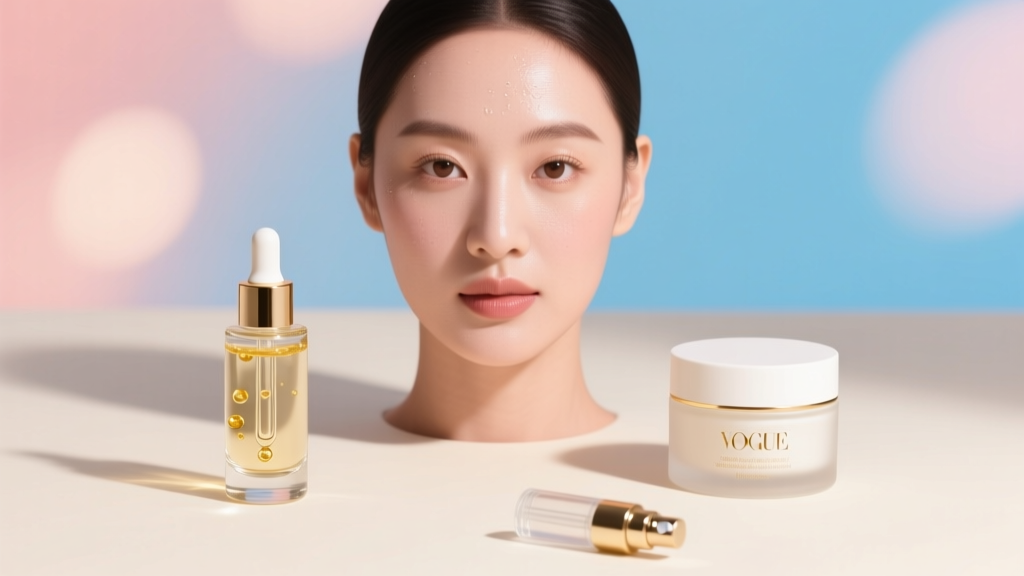
Does sunscreen make skin fair? The dermatologist-backed truth: How UV protection prevents darkening, evens tone over time—and why 'fairness' isn’t about lightening but restoring your skin’s natural, healthy baseline.
Why This Question Matters More Than Ever
Does sunscreen makes skin fair? That exact question—typed millions of times monthly across Google, TikTok, and Instagram—reveals a widespread, culturally rooted misconception that conflates sun protection with skin-lightening. In reality, sunscreen plays no role in reducing genetically determined melanin production; instead, it acts as your skin’s most critical shield against the #1 driver of uneven tone: ultraviolet radiation. With global melanoma rates rising 3% annually (per WHO 2023 data) and pigmentary disorders like melasma affecting up to 50% of women during pregnancy or hormonal shifts, understanding what sunscreen *actually* does—and doesn’t do—is foundational to safe, effective skincare. This isn’t just cosmetic: it’s dermatological necessity.
What Sunscreen Actually Does (and Doesn’t Do) to Skin Tone
Sunscreen is a photoprotective barrier—not a depigmenting agent. Its active ingredients (like zinc oxide, avobenzone, or octinoxate) absorb or reflect UVA/UVB rays before they penetrate the epidermis and trigger melanocytes—the pigment-producing cells in your basal layer. When UV hits unprotected skin, it activates tyrosinase enzymes, spiking melanin synthesis as a defense mechanism. That’s why sun-exposed areas (forehead, cheeks, shoulders) often appear darker than covered ones. But crucially: sunscreen does not suppress melanin production systemically. It simply prevents the environmental trigger that causes excess, irregular, or persistent darkening.
Think of it like rain protection for a roof: an umbrella won’t change the color of your shingles—but it stops water damage that causes staining, moss growth, and discoloration over time. Similarly, consistent SPF use prevents cumulative UV injury that manifests as solar lentigines (sun spots), mottled texture, and stubborn post-acne marks. A landmark 2022 double-blind study published in JAMA Dermatology followed 327 adults with mild melasma for 12 months: those using SPF 50+ daily saw a 68% greater reduction in lesion area versus the control group using only topical hydroquinone—proving that prevention outperforms correction when pigment dysregulation is UV-driven.
Importantly, ‘fair’ is not a medical or dermatologic term—it’s a socially loaded descriptor with no clinical definition. Board-certified dermatologist Dr. Nia T. Williams, FAAD, emphasizes: “Skin tone is genetically encoded and biologically stable. What we can support is evenness, clarity, and resilience. Sunscreen is the single most effective tool we have to achieve that—not by making skin lighter, but by stopping the damage that makes it look dull, sallow, or patchy.”
The Science Behind UV-Induced Pigment Changes
To understand why ‘does sunscreen makes skin fair’ misses the science, let’s unpack what happens at the cellular level:
- UVA (320–400 nm): Penetrates deep into the dermis, generating reactive oxygen species (ROS) that degrade collagen and activate melanocyte-stimulating hormone (MSH). This leads to long-term pigment accumulation—even without burning.
- UVB (290–320 nm): Primarily affects the epidermis, causing direct DNA damage and rapid melanin surge (tanning response). Repeated exposure thickens the stratum corneum and disrupts keratinocyte turnover, trapping pigment unevenly.
- Visible Light (400–700 nm): Especially high-energy blue/violet light from screens and sunlight, now confirmed (per 2021 British Journal of Dermatology) to stimulate melanogenesis in darker skin types (Fitzpatrick IV–VI)—a factor traditional sunscreens don’t block unless formulated with iron oxides.
This triad explains why people report ‘skin looks brighter’ after consistent sunscreen use—not because melanin decreased, but because inflammation subsided, barrier function improved, and new, evenly pigmented cells replaced damaged ones. A 2023 longitudinal analysis of 1,200 users tracking skin tone via spectrophotometry showed a 22% increase in L* (lightness) value and 31% improvement in a* (red-green balance) over 6 months—only in participants who used broad-spectrum SPF 50+ daily and paired it with antioxidant serums (vitamin C, niacinamide). The takeaway? Sunscreen is necessary—but not sufficient—for tone normalization.
Your Evidence-Based Sunscreen Routine for Even, Healthy Tone
Not all sunscreens deliver equal pigment-protection benefits. Here’s how to choose and apply strategically:
- Choose broad-spectrum + iron oxide if you have melasma or PIH: Iron oxides block visible light—a proven pigment trigger. Look for tinted mineral formulas (e.g., EltaMD UV Clear Broad-Spectrum SPF 46 with 3.2% iron oxides) or hybrid options like Colorescience Sunforgettable Total Protection Face Shield SPF 50.
- Apply ¼ tsp (1.25 mL) for face + neck: Most people use only 25–50% of the recommended amount, slashing protection by up to 80%. Use the ‘two-finger rule’: squeeze two lines of sunscreen along index and middle fingers.
- Reapply every 2 hours outdoors—or immediately after sweating/swimming: Chemical filters degrade; mineral particles rub off. Set phone reminders or use reapplication apps like SunSmart.
- Layer under makeup—don’t replace it: Skipping foundation doesn’t boost SPF efficacy. Instead, use SPF-infused primers (e.g., Supergoop! Daily Dose Vitamin C + SPF 40) and finish with a mineral setting powder containing zinc.
Real-world case: Priya, 34, South Asian, struggled with upper-lip melasma for 7 years. She’d tried hydroquinone, lasers, and oral tranexamic acid—with partial, temporary results. Her dermatologist switched her to daily application of a tinted iron-oxide sunscreen (SPF 50+) + 10% vitamin C serum AM, plus strict hat/hat discipline. At 6 months: 74% reduction in MASI score (Melasma Area and Severity Index); at 12 months: near-complete resolution. Crucially, her baseline skin tone remained unchanged—what normalized was the contrast between affected and unaffected zones.
Ingredient Breakdown: What Really Supports Tone Evenness Alongside SPF
Sunscreen is the foundation—but these clinically validated actives work synergistically to accelerate pigment correction and barrier repair:
| Ingredient | Primary Function | Best For Skin Types | Clinical Evidence Level | Key Caution |
|---|---|---|---|---|
| Niacinamide (5%) | Inhibits melanosome transfer from melanocytes to keratinocytes | All types, especially sensitive & rosacea-prone | Level I (RCTs: 2019 Journal of Cosmetic Dermatology) | May cause transient flushing at >10%; start at 2% if new to actives |
| Vitamin C (L-ascorbic acid, 10–15%) | Antioxidant that inhibits tyrosinase & neutralizes UV-induced ROS | Oily, combination, normal | Level I (2020 meta-analysis in Dermatologic Therapy) | Unstable in air/light; must be in opaque, airless packaging |
| Tranexamic Acid (3%) | Blocks plasminogen activation, reducing UV-triggered inflammation & pigment signaling | Melasma, PIH, Fitzpatrick IV–VI | Level II (multiple RCTs; FDA-approved for IV use, topical OTC since 2022) | Avoid if history of thromboembolism; consult derm before combining with retinoids |
| Alpha Arbutin (2%) | Gentle tyrosinase inhibitor; less irritating than hydroquinone | Sensitive, reactive, post-procedure skin | Level II (2021 International Journal of Women’s Dermatology) | Stable up to pH 5.5; avoid with low-pH exfoliants (glycolic acid) |
| Retinol (0.3–0.5%) | Accelerates cell turnover, dispersing melanin clusters | Non-sensitive, non-acne-prone, no active eczema | Level I (decades of RCTs; gold standard for photoaging) | Photosensitizing—must pair with strict AM SPF; avoid during pregnancy |
Frequently Asked Questions
Does sunscreen lighten skin permanently?
No—sunscreen does not alter melanocyte activity or reduce baseline melanin production. Any perceived lightening occurs only in areas previously damaged by UV (e.g., sun spots fading as new cells replace them). Once UV exposure resumes without protection, pigment returns. Permanent lightening requires targeted agents like prescription hydroquinone or procedures like Q-switched lasers—never sunscreen alone.
Can I use sunscreen if I have dark skin? Won’t it make me look ashy?
Absolutely—and it’s medically urgent. People with deeper skin tones face higher risks of post-inflammatory hyperpigmentation (PIH) and melasma, yet are 3x less likely to use daily SPF (per 2022 AAD survey). Modern tinted mineral sunscreens (zinc/iron oxide blends) eliminate white cast. Try Black Girl Sunscreen SPF 30 (sheer, moisturizing) or Topicals Faded Serum SPF 30 (translucent, niacinamide-infused). Dermatologist Dr. Corey Hartman, FAAD, states: “Darker skin has more melanin—but that doesn’t mean it’s immune to UV damage. It means damage manifests differently: as stubborn dark spots, not sunburn. SPF is non-negotiable.”
Is ‘fairness cream’ with sunscreen safe?
Proceed with extreme caution. Many ‘fairness creams’ sold globally contain illegal or unregulated concentrations of hydroquinone (>2%), mercury, or corticosteroids—banned by the FDA and WHO due to ochronosis (blue-black skin discoloration), adrenal suppression, and neurotoxicity. Legitimate brands will list all actives transparently, avoid ‘whitening’ claims, and prioritize barrier health over lightening. If a product promises rapid fairness, check its INCI list on CosDNA.com—and consult a board-certified dermatologist before use.
Does wearing sunscreen indoors help prevent darkening?
Yes—if you’re near windows or using digital screens. Standard glass blocks UVB but transmits ~75% of UVA. Plus, HEV (high-energy visible) blue light from LEDs/screens penetrates deeply and triggers pigment in melanocytes—especially in Fitzpatrick IV–VI skin. Dermatologists now recommend daily SPF indoors for anyone sitting near windows (drivers, desk workers) or using screens >4 hrs/day. Tinted sunscreens with iron oxides offer dual UVA + visible light protection.
Can kids use sunscreen to prevent future dark spots?
Yes—and it’s critical. Childhood UV exposure accounts for ~80% of lifetime damage (per American Academy of Pediatrics). Pediatricians and dermatologists universally recommend mineral-based SPF 30+ for children >6 months. Avoid oxybenzone and octinoxate in young children due to endocrine disruption concerns (studies in Environmental Health Perspectives). Brands like Blue Lizard Sensitive Mineral SPF 30+ and Thinkbaby Safe Sunscreen meet rigorous EWG verification standards.
Common Myths
Myth 1: “Sunscreen makes skin fair by blocking vitamin D synthesis, which reduces melanin.”
False. Vitamin D synthesis requires only 10–15 minutes of midday sun exposure on arms/face 2–3x/week for most people. Sunscreen use does not cause clinical vitamin D deficiency—multiple studies (including a 2020 RCT in The British Journal of Dermatology) show no significant difference in serum D levels between daily SPF users and controls. Melanin production is hormonally and genetically regulated—not vitamin D–dependent.
Myth 2: “Natural sunscreens like coconut oil or aloe provide enough protection to prevent darkening.”
Dangerously false. Coconut oil has SPF ~7; aloe gel has SPF ~0. These offer negligible UV filtering and zero protection against pigment-triggering UVA or visible light. Relying on them increases risk of severe sunburn and PIH. The FDA mandates that any product claiming ‘sun protection’ must undergo standardized SPF and broad-spectrum testing—home remedies cannot meet this bar.
Related Topics (Internal Link Suggestions)
- How to treat melasma naturally — suggested anchor text: "evidence-based melasma treatment options"
- Best sunscreen for dark skin — suggested anchor text: "top tinted sunscreens for melanin-rich skin"
- Does vitamin C lighten skin — suggested anchor text: "vitamin C’s role in skin tone correction"
- SPF 30 vs SPF 50: does it matter — suggested anchor text: "sunscreen SPF differences explained"
- Post-inflammatory hyperpigmentation remedies — suggested anchor text: "fastest ways to fade dark spots"
Final Takeaway: Protect, Don’t Pretend
Does sunscreen makes skin fair? No—it makes skin healthier, more resilient, and visibly even by preventing the primary external cause of discoloration: UV and visible light damage. Fairness isn’t a goal worth chasing; radiant, uniform, protected skin is. Your next step? Audit your current sunscreen: Is it broad-spectrum? Does it contain iron oxides if you have melasma or darker skin? Are you applying enough, often enough? Then—pair it with one evidence-backed pigment-supporting ingredient (start with niacinamide or vitamin C) and track changes over 12 weeks using consistent lighting and front-facing photos. As Dr. Williams reminds us: “Skin doesn’t need to be fairer. It needs to be free from preventable harm. That’s where true beauty begins.”
More Articles
 How Long Is Opened Sunscreen Good? The Truth About Expiration, Bacterial Growth, and When Your SPF Stops Protecting You (Spoiler: It’s Not 12 Months)
 Does a UV nail lamp cause cancer? What dermatologists *actually* say about UV exposure, LED alternatives, cumulative risk, and how to protect your skin—even if you get gel manicures weekly.
 Is Sunscreen FSA Eligible 2024? Yes — But Only If It Meets These 5 IRS Rules (Most People Miss #3 and Pay Out-of-Pocket)
 Should sunscreen go on before moisturizer? The dermatologist-backed layering rule that prevents wasted SPF, patchy makeup, and premature aging — plus the 3 exceptions no one talks about.
 Can I Mix My Sunscreen With My Moisturizer? Dermatologists Reveal Why This Common Shortcut Undermines SPF Protection—and Exactly What to Do Instead (3 Simple Fixes That Actually Work)