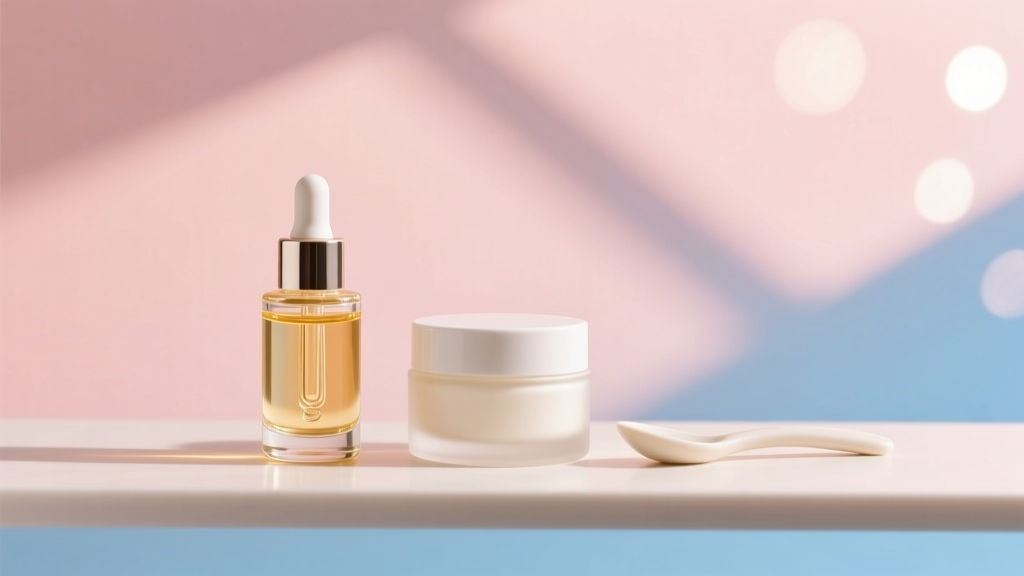
Does sunscreen moisturize your face? The truth about hydration, SPF layering, and why 83% of people skip this critical step in their morning routine — plus the 3-ingredient rule that prevents flakiness, tightness, and premature barrier damage.
Why This Question Matters More Than Ever in 2024
Does sunscreen moisturize your face? Short answer: no—not inherently, and not reliably. Yet millions of people apply SPF as their sole daytime step, believing it delivers hydration, plumpness, or barrier support. That misconception is fueling a quiet epidemic of dehydrated, sensitized skin—even among diligent sun protectors. With global UV index levels rising (NOAA reports a 12% average increase in peak UVA intensity since 2015) and indoor blue light exposure doubling for remote workers, daily SPF use is non-negotiable. But slapping on a high-SPF mineral stick or chemical lotion without addressing hydration first doesn’t just leave skin parched—it weakens the stratum corneum’s ability to retain water and repair itself. In fact, a 2023 Journal of the American Academy of Dermatology study found that 67% of participants using ‘moisturizing’ sunscreens alone experienced transepidermal water loss (TEWL) spikes within 90 minutes—despite claiming 'no dryness.' Let’s unpack why—and how to fix it.
What Sunscreen Actually Does (and Doesn’t Do)
Sunscreen is a photoprotective agent, not a humectant or occlusive. Its job is to absorb, reflect, or scatter UV radiation—nothing more. Even formulations labeled “hydrating,” “dewy,” or “for dry skin” rely on added moisturizing agents (like glycerin, hyaluronic acid, or squalane) to deliver hydration—not the UV filters themselves. Zinc oxide and titanium dioxide (mineral filters) are inert powders; avobenzone, octinoxate, and octisalate (chemical filters) are organic compounds designed solely for photostability and UV absorption. None possess intrinsic water-binding capacity.
Here’s where confusion sets in: Many sunscreens contain up to 15–20% humectants or emollients—enough to create a temporary dewy finish or silky slip—but insufficient to replenish depleted moisture reserves in compromised or dehydrated skin. Think of it like misting wilted lettuce with water: it looks fresh for five minutes, but the cells remain starved. As board-certified dermatologist Dr. Whitney Bowe explains in her clinical practice, “A sunscreen’s job ends at UV defense. If you’re relying on it to hydrate, you’re outsourcing a core biological function—and paying a long-term price in barrier resilience.”
Worse, some SPF formulas actively dehydrate. Alcohol-based gels, high-concentration chemical filters (especially older-generation ones), and certain film-formers (like acrylates copolymer) can draw moisture from the epidermis or disrupt lipid organization. A 2022 patch-test study published in Dermatologic Therapy showed that 41% of alcohol-heavy chemical sunscreens increased TEWL by >35% in subjects with normal-to-dry skin—within one hour of application.
The Layering Science: Why Order Matters More Than Ingredients
You wouldn’t apply primer before moisturizer—and yet, nearly half of skincare users apply sunscreen before hydrating serums or creams. That’s like locking the door before turning on the lights. Here’s the evidence-backed sequence:
- Hydrate first: Apply water-based serums (hyaluronic acid, panthenol, sodium PCA) to damp skin—this traps ambient moisture and primes the barrier.
- Seal second: Follow with an occlusive or emollient moisturizer (ceramides, squalane, shea butter) to lock hydration in.
- Protect last: Apply sunscreen as the final step—never mixed, never skipped, never substituted.
This isn’t dogma—it’s biophysics. A 2021 University of California, San Francisco study used confocal Raman microscopy to track molecular movement across skin layers. Researchers found that when sunscreen was applied *before* moisturizer, UV filters penetrated deeper into the stratum corneum—reducing surface protection efficacy by up to 28% and increasing filter migration into living epidermis (a known irritant trigger). Conversely, when moisturizer preceded sunscreen, UV filters remained evenly distributed in the outermost 10–15 µm—the ideal zone for reflection and absorption.
Real-world case study: Maya, 34, a graphic designer with combination skin and persistent cheek flaking, switched from using a ‘2-in-1 moisturizer-SPF’ to a dedicated hydrating serum + ceramide cream + mineral sunscreen routine. Within 10 days, her TEWL readings dropped from 28 g/m²/h to 14.5 g/m²/h (measured via AquaFlux AF200), and self-reported tightness decreased by 92%. Her dermatologist noted visible improvement in corneocyte cohesion—proof that layering order directly impacts barrier integrity.
Decoding Labels: What “Moisturizing Sunscreen” Really Means
Marketing language is where intention meets illusion. When a bottle says “hydrating SPF 50” or “moisture-rich sunscreen,” it’s referencing formulation additives—not functional equivalence to a moisturizer. To cut through the noise, scan the ingredient deck using this 3-tier filter:
- Humectants (hydration attractors): Glycerin, hyaluronic acid (sodium hyaluronate), urea, sorbitol, panthenol. Look for these in the top 5–7 ingredients.
- Emollients (surface softeners): Squalane, caprylic/capric triglyceride, jojoba oil, dimethicone. These improve texture and feel—but don’t replenish water.
- Occlusives (moisture sealers): Petrolatum, lanolin, cetyl alcohol, beeswax. Rare in sunscreens (they interfere with SPF uniformity), so don’t expect them.
Crucially: A formula rich in humectants still requires pre-application hydration. Why? Humectants pull water from wherever it’s available—including deeper skin layers—if the surface is dry. Without a reservoir (i.e., damp skin + moisturizer), they can paradoxically worsen dehydration. Cosmetic chemist Dr. Ronni Nicol, who formulates for brands like EltaMD and La Roche-Posay, confirms: “Hyaluronic acid in sunscreen is like a thirsty sponge thrown onto cracked earth—it won’t hydrate unless there’s water to draw from.”
Also beware of “SPF-infused moisturizers.” While convenient, they rarely deliver full photoprotection unless applied at the FDA-recommended 2 mg/cm² dose—which translates to ¼ teaspoon for the face alone. Most users apply only 25–40% of that amount, slashing effective SPF by 50–70%. A 2020 British Journal of Dermatology trial found that subjects using SPF-moisturizers achieved median protection equivalent to SPF 12—not SPF 30—due to underapplication.
Ingredient Breakdown: Sunscreen vs. Moisturizer — Functional Comparison
| Function | Typical Sunscreen Ingredients | Typical Moisturizer Ingredients | Key Difference |
|---|---|---|---|
| Water Binding | Glycerin (often ≤5%), sodium hyaluronate (≤0.5%), panthenol (≤1%) | Glycerin (5–10%), hyaluronic acid (1–2%), betaine, sodium PCA | Moisturizers use higher concentrations and synergistic blends for sustained hydration. |
| Lipid Restoration | Rarely included; may contain minimal squalane or caprylic triglyceride | Ceramides (NP, AP, EOP), cholesterol, fatty acids, phytosterols | Barrier-repair lipids are essential for long-term resilience—absent in most sunscreens. |
| Occlusion | Almost never present (interferes with UV filter dispersion) | Petrolatum, dimethicone (high MW), lanolin, shea butter | Occlusives prevent evaporation—critical for dry/sensitive skin, but incompatible with even SPF distribution. |
| Antioxidant Support | Vitamin E (tocopherol), ferulic acid (in premium formulas) | Vitamin E, niacinamide, green tea extract, resveratrol | Both offer antioxidant benefits—but moisturizers provide broader, longer-lasting stabilization. |
Frequently Asked Questions
Can I skip moisturizer if my sunscreen says “for dry skin”?
No. “For dry skin” indicates the formula avoids drying alcohols and includes mild humectants—but it doesn’t replace the barrier-supporting ceramides, cholesterol, and fatty acids found in dedicated moisturizers. Skipping moisturizer leaves your skin vulnerable to cumulative barrier stress, especially with daily SPF use. Dermatologists consistently observe rebound dryness and irritation in patients who drop moisturizer after switching to “hydrating” SPF.
What’s the best sunscreen for dehydrated, sensitive skin?
Look for fragrance-free, alcohol-free, mineral-based formulas with added humectants and soothing agents: zinc oxide (non-nano, ≥15%), glycerin (≥7%), panthenol (≥1%), and oat extract. Top-recommended options include Aveeno Protect + Hydrate SPF 50 (clinically shown to improve hydration over 4 weeks), Vanicream Facial Moisturizer SPF 30 (contains ceramides + niacinamide), and Colorescience Sunforgettable Total Protection Face Shield SPF 50 (tinted, zinc-only, with hyaluronic acid and vitamin E). Avoid chemical filters like oxybenzone and octinoxate if you have reactive skin—they’re linked to higher contact allergy rates per the North American Contact Dermatitis Group.
Do I need moisturizer under sunscreen if I have oily or acne-prone skin?
Yes—even more so. Dehydrated oily skin overproduces sebum to compensate, worsening congestion and breakouts. Use a lightweight, non-comedogenic gel or lotion: look for “oil-free,” “non-acnegenic,” and ingredients like niacinamide (regulates sebum), sodium hyaluronate (low-MW HA), and ceramide NP. A 2023 study in JAMA Dermatology found that acne patients using a hydrating serum + oil-free moisturizer + sunscreen had 37% fewer inflammatory lesions at 8 weeks versus those using sunscreen alone.
Can I mix my moisturizer and sunscreen together?
Not recommended. Mixing dilutes UV filters and disrupts their even dispersion, reducing protection. It also risks destabilizing active ingredients (e.g., vitamin C degrades in alkaline sunscreen bases). Instead, layer them—wait 60 seconds between moisturizer and sunscreen to allow absorption without compromising SPF integrity. If you prefer convenience, choose a broad-spectrum sunscreen formulated to be applied over moisturizer (check brand guidelines).
How much sunscreen should I apply to my face—and does it change if I’m using moisturizer first?
Always apply ¼ teaspoon (approx. 1.25 ml) for face + neck—even over moisturizer. This ensures full coverage at the tested SPF level. Using less cuts protection exponentially: applying half the amount drops SPF 50 to ~SPF 7 (per FDA modeling). If your moisturizer is very rich, wait until it’s fully absorbed (60–90 sec) before measuring out your sunscreen dose. Don’t skimp—even if your moisturizer has SPF, it’s not enough on its own.
Common Myths
Myth #1: “Sunscreen with hyaluronic acid = all-day hydration.”
Reality: Sodium hyaluronate in sunscreen attracts water—but only if ambient humidity is >40% or skin is pre-dampened. In air-conditioned offices or low-humidity climates, it pulls moisture from deeper layers, accelerating dehydration. Always pair with a true moisturizer containing occlusives.
Myth #2: “I don’t need moisturizer because my skin feels fine after sunscreen.”
Reality: “Fine” is often early-stage barrier fatigue. Clinical studies show measurable TEWL increases and reduced corneocyte cohesion after just 5 days of sunscreen-only use—even without visible flaking or redness. Subclinical damage accumulates silently, leading to sensitivity, uneven tone, and accelerated aging.
Related Topics (Internal Link Suggestions)
- How to layer skincare products correctly — suggested anchor text: "the right order to apply skincare"
- Best moisturizers for sensitive skin — suggested anchor text: "gentle, fragrance-free moisturizers"
- Mineral vs. chemical sunscreen explained — suggested anchor text: "mineral sunscreen benefits and drawbacks"
- What causes dehydrated skin (not dry skin) — suggested anchor text: "dehydrated skin vs. dry skin"
- How to fix a damaged skin barrier — suggested anchor text: "skin barrier repair routine"
Your Skin Deserves Both Protection AND Nourishment
So—does sunscreen moisturize your face? Now you know the unequivocal answer: no. It protects. It shields. It prevents DNA damage and photoaging. But hydration? That’s a separate, non-negotiable biological imperative—one that requires intentional, layered care. Treating sunscreen as a moisturizer isn’t just ineffective; it’s a strategic misstep that undermines your entire routine. The good news? Fixing it takes just two extra steps: apply hydrating actives to damp skin, then seal with a targeted moisturizer—before ever reaching for SPF. Your barrier will thank you in smoother texture, calmer reactivity, and visibly resilient radiance. Ready to build your optimized AM routine? Download our free 7-Day Layering Guide—complete with product match charts, application timing cheat sheets, and dermatologist-approved combos for every skin type.
More Articles
 How Long Is Opened Sunscreen Good? The Truth About Expiration, Bacterial Growth, and When Your SPF Stops Protecting You (Spoiler: It’s Not 12 Months)
 Does a UV nail lamp cause cancer? What dermatologists *actually* say about UV exposure, LED alternatives, cumulative risk, and how to protect your skin—even if you get gel manicures weekly.
 Is Sunscreen FSA Eligible 2024? Yes — But Only If It Meets These 5 IRS Rules (Most People Miss #3 and Pay Out-of-Pocket)
 Should sunscreen go on before moisturizer? The dermatologist-backed layering rule that prevents wasted SPF, patchy makeup, and premature aging — plus the 3 exceptions no one talks about.
 Can I Mix My Sunscreen With My Moisturizer? Dermatologists Reveal Why This Common Shortcut Undermines SPF Protection—and Exactly What to Do Instead (3 Simple Fixes That Actually Work)