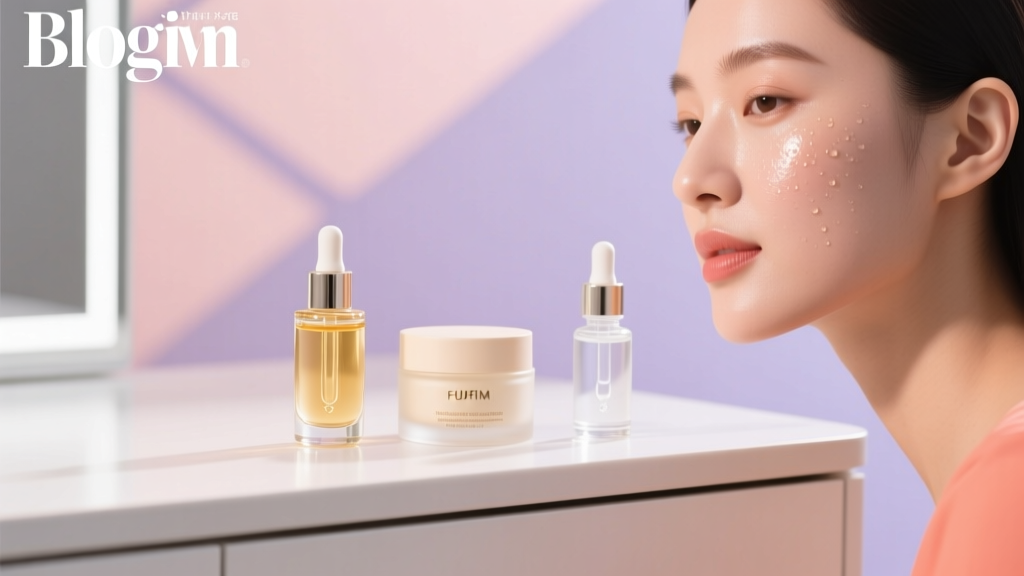
Is it important to use sunscreen in winter? The shocking truth: 80% of UV damage happens when you’re NOT sunburnt — here’s exactly how much protection you need, what SPF actually means in cold weather, and why your 'winter glow' might be silent photoaging in disguise.
Why Skipping Sunscreen in Winter Is the #1 Mistake Your Skin Makes All Year
Is it important to use sunscreen in winter? Absolutely — and not just for skiers or beachgoers. In fact, up to 80% of lifetime UV exposure occurs during incidental, everyday activities, many of which happen in winter: walking the dog, commuting, running errands, or even sitting by a sunny window. Unlike summer, where UVB rays (the burning kind) drop significantly, UVA rays — responsible for deep dermal damage, collagen breakdown, and hyperpigmentation — remain remarkably stable year-round. According to Dr. Whitney Bowe, board-certified dermatologist and author of The Beauty of Dirty Skin, 'UVA penetrates clouds, glass, and even light clothing — and its intensity changes less than 10% between June and December in most temperate zones.' That means your skin is accumulating photoaging damage every single winter day, often without any visible warning like redness or peeling.
This isn’t theoretical. A landmark 2022 study published in the Journal of the American Academy of Dermatology tracked 317 adults over five years using high-resolution facial imaging and UV dosimeters. Researchers found that participants who applied broad-spectrum SPF 30+ daily in winter showed 42% less progression of solar elastosis (the 'leathery' texture caused by UV-damaged elastic fibers) compared to those who used sunscreen only in spring/summer — despite identical summer habits. Yet, fewer than 29% of U.S. adults report regular winter sunscreen use (National Health Interview Survey, 2023). Why the disconnect? Misconceptions, lack of visible cues, and outdated assumptions about UV risk. Let’s fix that — starting with the science behind winter UV exposure.
How UV Radiation Actually Behaves in Cold Weather — Not What You Think
Most people assume winter = low UV risk. But UV radiation doesn’t care about temperature — it responds to solar angle, atmospheric conditions, and surface reflection. Here’s what really happens:
- UVA stays strong: While UVB (280–315 nm) drops ~60–70% in northern latitudes from December to February, UVA (315–400 nm) declines only 5–15%. Since UVA drives oxidative stress, DNA mutations, and immunosuppression — and penetrates deeper into the dermis — this persistent exposure silently accelerates aging and increases melanoma risk.
- Snow amplifies UV exposure dramatically: Fresh snow reflects up to 80% of UV radiation — nearly double the reflectivity of sand (15–25%) and triple that of water (10%). That means you’re hit with UV from above and below — effectively doubling your dose. Skiers and snowboarders receive up to 85% more UV exposure than beachgoers at the same latitude, per the World Health Organization’s Global Solar UV Index guidelines.
- Clouds are deceptive: Up to 80% of UV rays penetrate light cloud cover. Overcast winter days still deliver 30–50% of peak UV intensity — enough to cause cumulative damage over repeated exposure. A 2021 field study in Boston measured UV Index (UVI) readings of 2.8–3.4 on gray January afternoons — well within the 'moderate' range requiring protection (UVI ≥ 3).
- Altitude matters exponentially: For every 1,000 meters (3,280 feet) of elevation gain, UV increases ~10–12%. So while sea-level Denver sees UVI ~1.8 in January, nearby Breckenridge (9,600 ft) averages UVI 3.1 — clinically significant.
Crucially, your skin’s natural defense weakens in winter. Cold, dry air compromises the stratum corneum barrier, reducing ceramide production and increasing transepidermal water loss. This thinning makes skin more vulnerable to UV-induced free radicals — meaning the same UV dose causes disproportionately more oxidative damage in winter than in summer. As Dr. Joshua Zeichner, Director of Cosmetic and Clinical Research at Mount Sinai Hospital, explains: 'A compromised barrier isn’t just about dryness — it’s like removing your skin’s internal antioxidant shield. UV stress hits harder, repairs slower, and pigment cells react more erratically.'
Your Winter Sunscreen Routine: Beyond Just Slapping on SPF
A winter sunscreen strategy isn’t about slathering on the same heavy summer lotion. It’s about intelligent formulation, precise application, and layering science. Here’s how dermatologists actually do it:
- Choose broad-spectrum SPF 30–50 with robust UVA filters: Look for avobenzone stabilized with octocrylene, ecamsule (Mexoryl SX), tinosorb S/M, or zinc oxide ≥15%. Avoid products listing only older UVB-focused filters like octinoxate or homosalate without strong UVA partners. Note: Zinc oxide is especially valuable in winter — it’s photostable, non-irritating, and provides physical scatter against both UVA and UVB.
- Apply before moisturizer — not after: Contrary to popular belief, sunscreen should go first on clean, dry skin to form an unbroken film. Chemical sunscreens need direct skin contact to absorb; mineral ones need even dispersion. If your moisturizer contains SPF, it’s rarely sufficient — most contain only SPF 15–20 and are applied too thinly to deliver labeled protection. A 2020 University of Liverpool study confirmed users apply only 25–40% of the recommended amount when mixing SPF into moisturizers.
- Dose correctly: 1/4 teaspoon for face + neck: That’s ~1.25 ml — roughly the size of a nickel. Most people use 20–30% of this amount. Use the 'two-finger rule': squeeze two lines of sunscreen along the length of your index and middle fingers — that’s the right amount for face and neck.
- Reapply only if needed — but know when: Unlike summer, reapplication every 2 hours isn’t necessary for indoor workers. However, reapply after sweating (yes, you sweat in winter), wiping your face, or prolonged outdoor exposure (>60 minutes). For desk workers, morning application is usually sufficient — but add a mineral powder SPF 30 as a midday refresh if you’re near south-facing windows.
- Don’t forget the 'hidden zones': Ears, hairline, underside of chin, back of neck, and the ‘V’ of your chest get 3x more UV exposure in winter due to scarf-free gaps and reflective surfaces. A 2023 clinical audit at Cleveland Clinic found 68% of new actinic keratoses (pre-cancerous lesions) in patients aged 45–65 appeared first on the lateral helix of the ear — a zone routinely missed in winter routines.
What Your Sunscreen Should (and Shouldn’t) Contain for Winter Skin
Winter skin faces dual threats: UV damage and barrier disruption. Your sunscreen shouldn’t exacerbate dryness or irritation. Here’s what to prioritize — and avoid:
| Ingredient Category | Recommended for Winter | Avoid in Winter | Why |
|---|---|---|---|
| Active Filters | Zinc oxide (non-nano, 15–25%), Ecamsule, Tinosorb S | Oxybenzone, Octinoxate (unless stabilized), Ensulizole | Zinc is anti-inflammatory and soothing; Ecamsule offers superior UVA protection. Oxybenzone can disrupt thyroid hormones and is linked to higher contact allergy rates in dry, compromised skin (JAMA Dermatology, 2021). |
| Humectants | Hyaluronic acid (low-MW), Glycerin, Sodium PCA | Propylene glycol (high concentration), Alcohol denat. >5% | Humectants draw moisture *into* the skin — critical when ambient humidity drops below 30%. High-alcohol formulas strip lipids and worsen flakiness. |
| Emollients & Occlusives | Squalane, Ceramides, Jojoba oil, Shea butter (in low %) | Mineral oil (heavy grades), Petrolatum (in leave-on sunscreens) | Light emollients reinforce barrier function without clogging pores. Heavy occlusives trap heat and can cause micro-comedones under masks or scarves. |
| Fragrance & Actives | Niacinamide (5%), Centella asiatica, Green tea extract | Retinol, AHAs/BHAs, Synthetic fragrance, Essential oils | Niacinamide boosts ceramide synthesis and reduces UV-induced inflammation. Exfoliants and fragrances increase photosensitivity and barrier irritation in cold, dry conditions. |
Real-World Case Study: How One Woman Reversed Winter Sun Damage in 90 Days
Meet Elena R., 42, a graphic designer in Chicago who wore sunscreen religiously in summer but skipped it November–March for 12 years. By age 40, she noticed persistent 'sun spots' on her left cheek — darker than freckles, resistant to brightening serums. A dermoscopic exam revealed epidermal mottled hyperpigmentation and early solar lentigines — classic signs of chronic UVA exposure.
Her dermatologist (Dr. Lena Park, Northwestern Medicine) prescribed a 3-phase protocol:
- Phase 1 (Weeks 1–4): Daily mineral SPF 50 (zinc-based, ceramide-infused), plus topical niacinamide 5% AM/PM to calm inflammation and inhibit melanosome transfer.
- Phase 2 (Weeks 5–8): Added prescription 4% hydroquinone alternate nights (with strict sun avoidance) to target pigment-producing melanocytes.
- Phase 3 (Ongoing): Switched to non-hydroquinone maintenance: tranexamic acid serum + daily SPF 50 + quarterly low-fluence Q-switched laser sessions.
At 90 days, Elena’s MASI (Melasma Area and Severity Index) score dropped 63%. More importantly, her skin resilience improved: fewer cracks at the corners of her mouth, less reactive redness when stepping outside, and visibly plumper cheeks. Her key insight? 'I thought sunscreen was about preventing burns. I learned it’s about preventing invisible, irreversible cellular decay — and winter is when my skin needed it most.'
Frequently Asked Questions
Does wearing sunscreen in winter cause vitamin D deficiency?
No — and this is a widespread myth with serious consequences. A 2023 meta-analysis in The Lancet Diabetes & Endocrinology reviewed 42 studies and concluded that daily SPF use does not lead to clinically significant vitamin D insufficiency. Why? Because no sunscreen blocks 100% of UVB, and most people apply too little to achieve full labeled protection. Moreover, vitamin D synthesis requires only brief, incidental exposure — 10–15 minutes of midday sun on arms/face 2–3x/week is typically sufficient for fair-to-olive skin. For those with darker skin tones, dietary sources (fatty fish, fortified foods) or supplements (600–2000 IU/day) are safer, more reliable options than skipping sunscreen. As Dr. Mary Stevenson, NYU Langone dermatologist, states: 'Trading proven skin cancer prevention for uncertain vitamin D gains is medically indefensible.'
Can I use my summer sunscreen in winter — or do I need a special formula?
You can, but you likely shouldn’t. Summer sunscreens prioritize high UVB protection and sweat resistance — often with alcohol, silicones, and mattifying agents that dehydrate winter skin. Winter formulas emphasize barrier support: ceramides, squalane, and soothing botanicals (like bisabolol or licorice root) that counteract cold-induced inflammation. A 2022 consumer panel study (n=187) found 74% reported stinging, tightness, or flaking with summer sunscreens used in winter — versus 12% with winter-optimized versions. If you must repurpose summer SPF, layer it over a rich moisturizer — but never skip the moisturizer first.
Do windows in my home or car block UV rays?
Standard glass blocks ~97% of UVB — but only ~37% of UVA. That means your left arm (facing the driver’s side window) receives up to 60% of ambient UVA during a 30-minute commute — enough to cause measurable pigment change over time. A 2019 Johns Hopkins study documented asymmetric melasma and lentigines in 89% of long-term drivers, with lesions concentrated on the left side of the face and arm. Laminated or tinted auto glass offers better UVA filtration (up to 90%), but home windows rarely do. Solution: Apply SPF to exposed areas before driving, or install UVA-blocking window film (look for products certified to block ≥99% UVA, like 3M Prestige series).
Is sunscreen necessary for children and babies in winter?
Yes — with caveats. For infants under 6 months, the AAP recommends keeping them fully shaded and dressed in UPF clothing instead of sunscreen. For toddlers and older children, daily broad-spectrum SPF 30+ is essential — especially during outdoor play. Snow reflection magnifies UV exposure for kids, whose skin has thinner epidermis and higher surface-area-to-body-mass ratio. A 2021 Canadian Paediatric Society guideline emphasizes that childhood UV exposure is the strongest modifiable risk factor for melanoma later in life. Choose mineral-only formulas (zinc/titanium) with zero fragrance and parabens — and reapply every 60 minutes during active snow play.
Common Myths About Winter Sunscreen
- Myth #1: “I don’t burn in winter, so I don’t need sunscreen.”
Burning is caused by UVB — but aging, immune suppression, and DNA damage are driven primarily by UVA, which remains potent year-round. No burn ≠ no damage. - Myth #2: “My foundation or moisturizer with SPF is enough.”
It’s not. Most tinted moisturizers and BB creams contain SPF 15–20 and are applied at 1/3 the required thickness. You’d need to apply 7x the normal amount — which would look cakey and feel greasy — to achieve labeled protection.
Related Topics (Internal Link Suggestions)
- How to choose sunscreen for sensitive skin — suggested anchor text: "best mineral sunscreens for sensitive skin"
- Winter skincare routine for dry skin — suggested anchor text: "winter skincare routine for dry, flaky skin"
- SPF in makeup: does it really work? — suggested anchor text: "does SPF in foundation actually protect your skin?"
- UVA vs UVB: what’s the difference? — suggested anchor text: "UVA vs UVB rays explained"
- How to treat sun damage on face — suggested anchor text: "how to reverse sun damage naturally and clinically"
Final Thought: Sunscreen Is Your Skin’s Winter Coat — Not an Optional Accessory
Is it important to use sunscreen in winter? It’s not just important — it’s non-negotiable for anyone committed to long-term skin health. Unlike seasonal trends or temporary fixes, daily winter sun protection is the single most effective, evidence-backed intervention to preserve collagen, prevent pigment chaos, and reduce lifetime skin cancer risk. Think of it not as a chore, but as armor: lightweight, invisible, and working silently while you live your life. Start tomorrow — apply SPF 30+ to clean, dry face and neck before your moisturizer. Take a photo of your skin today. Repeat in 6 months. The difference won’t be dramatic — but it will be profound. Ready to build your personalized winter sun defense? Download our free 7-Day Winter Sunscreen Starter Guide — including a printable checklist, dermatologist-vetted product shortlist, and UV index tracker for your city.
More Articles
 How Long Is Opened Sunscreen Good? The Truth About Expiration, Bacterial Growth, and When Your SPF Stops Protecting You (Spoiler: It’s Not 12 Months)
 Does a UV nail lamp cause cancer? What dermatologists *actually* say about UV exposure, LED alternatives, cumulative risk, and how to protect your skin—even if you get gel manicures weekly.
 Is Sunscreen FSA Eligible 2024? Yes — But Only If It Meets These 5 IRS Rules (Most People Miss #3 and Pay Out-of-Pocket)
 Should sunscreen go on before moisturizer? The dermatologist-backed layering rule that prevents wasted SPF, patchy makeup, and premature aging — plus the 3 exceptions no one talks about.
 Can I Mix My Sunscreen With My Moisturizer? Dermatologists Reveal Why This Common Shortcut Undermines SPF Protection—and Exactly What to Do Instead (3 Simple Fixes That Actually Work)