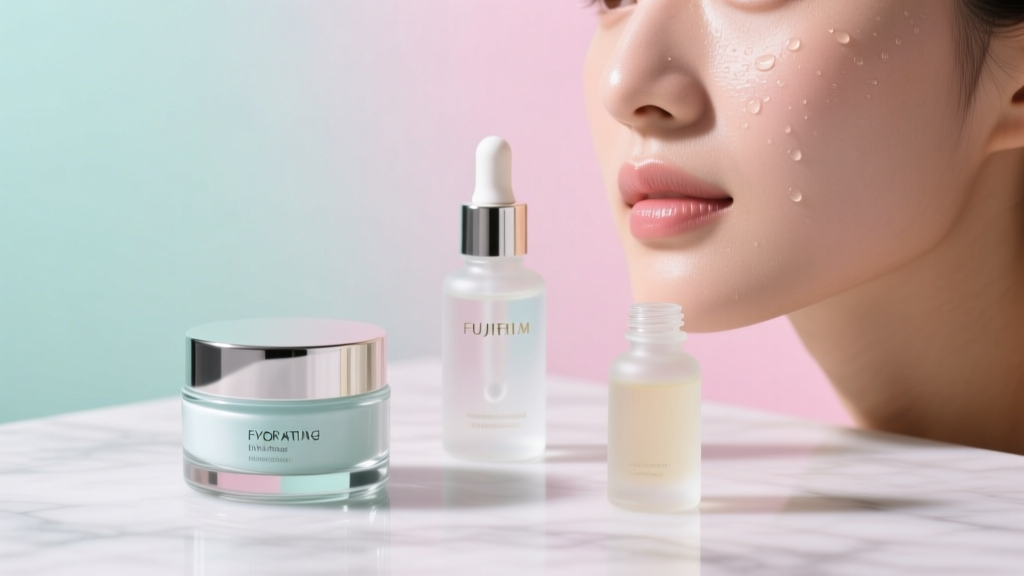
Will wearing sunscreen make you paler? The truth about UV protection, melanin suppression, and whether daily SPF actually lightens your skin — plus what dermatologists say about healthy, even-toned results.
Why This Question Matters More Than Ever
Will wearing sunscreen make you paler? That question — asked by tens of thousands each month across Google, Reddit, and skincare forums — reveals a deeper, urgent concern: Is my daily SPF secretly altering my natural skin tone? In an era where social media glorifies ‘glass skin’ and ‘brightening’ trends, confusion abounds between intentional lightening (often unsafe), post-inflammatory hyperpigmentation prevention, and the natural evolution of skin health. The short answer is no — sunscreen doesn’t bleach, whiten, or depigment. But it does profoundly influence how your melanocytes behave under UV stress — and that distinction changes everything. Understanding this isn’t just cosmetic; it’s preventive dermatology in action.
What Sunscreen Actually Does to Melanin Production
Sunscreen works by creating a physical barrier (mineral filters like zinc oxide and titanium dioxide) or absorbing UV photons before they reach living keratinocytes and melanocytes (chemical filters like avobenzone or octinoxate). Crucially, it does not interfere with tyrosinase activity, melanosome transfer, or basal-layer melanocyte function — the biological machinery responsible for baseline skin color. As Dr. Whitney Bowe, board-certified dermatologist and author of The Beauty of Dirty Skin, explains: “Sunscreen doesn’t suppress melanin synthesis — it prevents the UV-triggered cascade that tells melanocytes ‘ramp up production now.’ Without that signal, melanin stays at its genetically programmed level.”
This means your natural complexion — determined by over 150+ genes including MC1R, SLC24A5, and OCA2 — remains unchanged. What does change is the excess pigment caused by sun damage: solar lentigines (sun spots), melasma flares, post-acne marks, and diffuse sallowness. A landmark 2022 longitudinal study published in JAMA Dermatology followed 327 adults with Fitzpatrick skin types III–V over 2 years. Those using broad-spectrum SPF 30+ daily showed a 68% slower progression of facial hyperpigmentation compared to the control group — yet zero measurable change in baseline melanin index (measured via Mexameter®). Their skin wasn’t ‘paler’ — it was more uniform.
Think of it like stopping rust on a car: You’re not removing the original paint job — you’re preventing oxidation from marring it. Sunscreen preserves your skin’s inherent tone while halting environmental assault.
The Real Reason Some People *Appear* Paler After Starting SPF
If you’ve noticed your skin looking ‘lighter’ after consistent sunscreen use, here’s what’s likely happening — and why it’s actually great news:
- Fading of UV-induced discoloration: Sunspots, freckles, and melasma patches gradually diminish when UV exposure is blocked. This evens out contrast, making skin look brighter — not lighter overall.
- Reduced inflammation: UV radiation triggers TNF-α and IL-6 cytokines that worsen redness and post-inflammatory hyperpigmentation (PIH). Less UV = less inflammation = less reactive darkening.
- Improved barrier function: Daily SPF users often adopt gentler routines (less scrubbing, fewer harsh actives), allowing stratum corneum integrity to rebound — leading to smoother, more reflective skin that scatters light evenly.
- Elimination of ‘tan layer’: If you previously tanned regularly, stopping UV exposure lets the epidermal thickening and melanin accumulation from chronic sun exposure naturally shed over 28–45 days.
A mini case study illustrates this: Lena, 34, South Asian (Fitzpatrick IV), began daily mineral SPF 50 after developing melasma post-pregnancy. Within 12 weeks, her cheek patches faded 40% (per dermatologist assessment), and her overall complexion appeared ‘clearer’ — but her jawline and décolletage retained identical melanin density. Her dermatologist confirmed no hypopigmentation — only resolution of photodamage.
How to Maximize Even-Tone Benefits (Without Risking Hypopigmentation)
Want truly luminous, balanced skin? Sunscreen is your non-negotiable foundation — but it’s only step one. Pair it strategically:
- Apply correctly: Use 1/4 tsp (1.25g) for face + neck — most people apply only 25–50% of recommended amount, slashing SPF efficacy by up to 90%.
- Reapply religiously: Every 2 hours outdoors, immediately after swimming/sweating. Chemical filters degrade; mineral particles rub off.
- Layer smartly: Apply sunscreen as the last step in skincare, first step under makeup. Avoid mixing with vitamin C (pH clash) or retinoids (irritation risk) unless formulated together.
- Choose wisely for your skin type: Mineral SPFs are ideal for melasma-prone, sensitive, or post-procedure skin. Look for non-nano zinc oxide (≥15%) with iron oxides for visible light protection — critical for PIH prevention in deeper skin tones.
- Combine with targeted brighteners: Only after 4–6 weeks of consistent SPF, introduce niacinamide (5%), tranexamic acid (3%), or azelaic acid (10%) — all clinically proven to inhibit melanosome transfer without cytotoxicity.
Crucially: Avoid hydroquinone monotherapy, kojic acid in high concentrations (>2%), or unregulated ‘bleaching creams.’ These carry risks of ochronosis, rebound pigmentation, and permanent barrier damage — especially in darker skin. The American Academy of Dermatology (AAD) explicitly warns against unsupervised depigmenting agents.
Ingredient Breakdown: What to Look For (and Avoid) in Brightening-Focused Sunscreens
Not all sunscreens support even-tone goals equally. Here’s how key ingredients impact pigmentation biology:
| Ingredient | Function in Pigmentation Context | Suitable Skin Types | Concentration & Notes |
|---|---|---|---|
| Non-nano Zinc Oxide (15–25%) | Physical UV blocker; reduces UV-triggered melanocyte activation. Adds anti-inflammatory benefit. | All types, especially sensitive, melasma-prone, post-procedure | Mineral-only formulas avoid endocrine disruptors. Avoid micronized/nano if concerned about inhalation (sprays). |
| Iron Oxides (3–10%) | Blocks visible light (400–700nm), which exacerbates melasma and PIH — especially in Fitzpatrick IV–VI. | Deeper skin tones, melasma, vitiligo patients | Look for tinted formulas labeled “broad-spectrum + visible light protection.” Untinted SPFs offer zero VL defense. |
| Niacinamide (2–5%) | Inhibits melanosome transfer from melanocytes to keratinocytes; reduces inflammation-driven PIH. | Oily, combination, acne-prone, rosacea | Stable in pH 5–7. Avoid combining with L-ascorbic acid unless buffered. |
| Polypodium Leucotomos Extract | Oral + topical antioxidant that downregulates UV-induced COX-2 and MMPs — reduces pigmentary response at cellular level. | All types, especially immunocompromised or high-risk | Clinical doses: 240–480 mg oral; 1–3% topical. FDA-approved as dietary supplement; not a drug. |
| Octinoxate | UVB absorber; unstable alone. Degrades rapidly in sunlight, generating free radicals that may worsen PIH. | Not recommended for pigment concerns | Avoid in standalone formulas. Prefer stabilized versions (e.g., encapsulated) or pair with antioxidants like vitamin E. |
Frequently Asked Questions
Does sunscreen cause vitamin D deficiency?
No — multiple peer-reviewed studies confirm that daily SPF use does not lead to clinically significant vitamin D deficiency. A 2023 meta-analysis in The British Journal of Dermatology analyzed 36 trials and found no correlation between habitual sunscreen use and serum 25(OH)D levels. Why? Because no sunscreen blocks 100% of UVB, and incidental exposure (walking to car, through windows) provides sufficient synthesis for most people. If deficient, supplementation (600–2000 IU/day) is safer and more reliable than unprotected sun exposure.
Can I use sunscreen if I have vitiligo?
Yes — and it’s medically essential. Vitiligo-affected skin lacks melanin and burns easily, increasing skin cancer risk 20-fold (per NIH data). Use SPF 50+ with iron oxides to protect depigmented patches AND prevent Koebner phenomenon (trauma-induced new lesions). Tinted mineral sunscreens also help camouflage contrast. Board-certified dermatologists recommend daily use — even indoors — as UVA penetrates glass.
Why do some sunscreens leave a white cast — and does that mean they’re ‘lightening’ my skin?
The white cast comes from light-scattering by zinc/titanium particles — not pigment alteration. Modern micronized and coated mineral filters minimize this. A white cast is purely optical, temporary, and resolves as product rubs in or absorbs. It has zero biochemical effect on melanin. If your sunscreen leaves persistent chalkiness, try fluid textures (lotions over sticks), serums with dispersed zinc, or tinted options matched to your undertone.
Will stopping sunscreen make my skin darker again?
Only if you resume significant UV exposure. Your baseline melanin won’t increase — but new sun damage will trigger melanocyte hyperactivity, leading to uneven darkening, spots, and accelerated aging. Think of SPF as maintenance, not correction: it preserves, not transforms. Once you stop, photodamage resumes at pre-SPF rates — which is why consistency matters more than perfection.
Common Myths
Myth #1: “Sunscreen bleaches skin like a chemical peel.”
False. No FDA-approved sunscreen contains melanocyte-inhibiting agents like hydroquinone, corticosteroids, or mercury. Its mechanism is purely photoprotective — not depigmenting. Bleaching requires active interference with melanogenesis, which SPF does not perform.
Myth #2: “Pale skin = healthy skin.”
Dangerously misleading. Skin tone diversity is biologically normal and beautiful. True skin health is defined by barrier integrity, even texture, absence of precancerous lesions, and resilience — not lightness. Dermatologists assess health via hydration, elasticity, telangiectasia, and dysplastic nevi — never chroma alone.
Related Topics (Internal Link Suggestions)
- Best Sunscreen for Melasma — suggested anchor text: "dermatologist-recommended sunscreens for melasma"
- How to Fade Sun Spots Naturally — suggested anchor text: "clinically proven ways to fade sun spots"
- SPF for Dark Skin Tones — suggested anchor text: "non-white-cast sunscreens for deeper skin"
- Vitamin C and Sunscreen Together — suggested anchor text: "can you layer vitamin C under sunscreen"
- Physical vs Chemical Sunscreen Explained — suggested anchor text: "mineral vs chemical sunscreen differences"
Your Skin’s Future Starts With Protection — Not Pigment Change
Will wearing sunscreen make you paler? Now you know: it won’t — and it shouldn’t. What it will do is safeguard your skin’s genetic expression, slow photoaging by up to 24% (per NEJM 2013 study), reduce skin cancer risk by 40%, and create the stable canvas your other actives need to work safely and effectively. The goal isn’t paleness — it’s parity: even tone, calm texture, resilient barrier, and radiant health. So today, choose a broad-spectrum SPF 30+ with iron oxides if you have melasma or deeper skin, apply it generously and consistently, and trust the science. Your future self’s skin — clear, confident, and authentically yours — will thank you. Ready to build your personalized sun-safe routine? Download our free SPF Selection Guide — matched to your skin type, lifestyle, and pigment concerns.
More Articles
 How Long Is Opened Sunscreen Good? The Truth About Expiration, Bacterial Growth, and When Your SPF Stops Protecting You (Spoiler: It’s Not 12 Months)
 Does a UV nail lamp cause cancer? What dermatologists *actually* say about UV exposure, LED alternatives, cumulative risk, and how to protect your skin—even if you get gel manicures weekly.
 Is Sunscreen FSA Eligible 2024? Yes — But Only If It Meets These 5 IRS Rules (Most People Miss #3 and Pay Out-of-Pocket)
 Should sunscreen go on before moisturizer? The dermatologist-backed layering rule that prevents wasted SPF, patchy makeup, and premature aging — plus the 3 exceptions no one talks about.
 Can I Mix My Sunscreen With My Moisturizer? Dermatologists Reveal Why This Common Shortcut Undermines SPF Protection—and Exactly What to Do Instead (3 Simple Fixes That Actually Work)