Ayurvedic Remedies for Dehydrated Skin: Ancient Wisdom Meets Modern Science

Ayurvedic Remedies for Dehydrated Skin: Ancient Wisdom Meets Modern Science

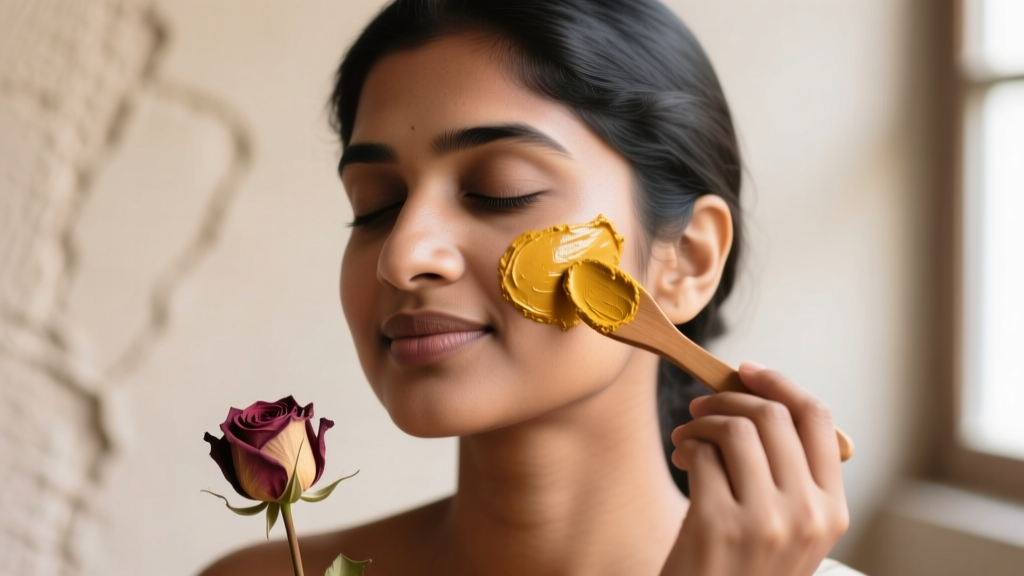
## Ayurvedic Approach to Dehydrated Skin In Ayurveda, dehydrated skin is seen as a Vata imbalance—excess air and ether elements causing dryness, roughness, and premature aging. The approach combines internal nourishment with external treatments. ### Understanding Your Skin Through Ayurveda **Vata skin** (dehydrated type): - Thin, delicate, prone to dryness - Fine pores, cool to touch - Ages faster, develops fine lines early - Feels tight and uncomfortable ### Ayurvedic Remedies Backed by Science #### 1. Abhyanga (Self-Massage with Warm Oil) **Traditional use**: Daily warm oil massage before bathing **Modern validation**: Studies show sesame oil contains sesamol and sesamin—potent antioxidants that reduce TEWL by 25-30% **How to do it:** 1. Warm organic sesame oil (or almond oil for Pitta types) 2. Massage face in upward circular motions for 5 minutes 3. Let it absorb for 15 minutes 4. Cleanse with a gentle, warm washcloth #### 2. Kumkumadi Tailam (Saffron Oil) **Traditional use**: Nighttime facial oil for radiance and hydration **Modern validation**: Saffron contains crocin and crocetin—powerful antioxidants. Sandalwood has anti-inflammatory properties. Lotus extract provides natural humectant effects. **Usage**: 3-4 drops on damp skin before bed #### 3. Rose Water and Glycerin **Traditional use**: Toning and hydrating mist **Modern validation**: Rose water has pH 5.5 (matches skin), contains phenolic compounds with antioxidant activity. Glycerin is clinically proven to reduce TEWL. **DIY recipe:** - 80ml organic rose water (steam distilled) - 20ml vegetable glycerin - 5 drops rosehip oil - Shake well, apply as toner #### 4. Aloe Vera and Honey Mask **Traditional use**: Weekly hydrating treatment **Modern validation**: Aloe vera contains polysaccharides that boost hyaluronic acid production. Honey is a natural humectant with antimicrobial properties. **Recipe:** - 2 tbsp fresh aloe vera gel - 1 tbsp raw honey - 1 tsp turmeric powder (optional, for brightening) - Apply for 20 minutes, rinse with cool water #### 5. Internal Hydration: Ayurvedic Waters **CCF Tea (Cumin-Coriander-Fennel):** - Equal parts cumin, coriander, fennel seeds - Boil in water, sip throughout the day - Balances digestion and improves water absorption **Coconut Water with Lime:** - Fresh coconut water (rich in electrolytes) - Squeeze of lime (vitamin C) - Pinch of pink salt (minerals) ### Dosha-Specific Recommendations | Dosha | Best Oils | Best Herbs | Best Foods | |-------|-----------|------------|------------| | Vata | Sesame, almond | Ashwagandha, shatavari | Ghee, avocados, sweet fruits | | Pitta | Coconut, sunflower | Sandalwood, rose | Cucumber, melons, leafy greens | | Kapha | Mustard, safflower | Turmeric, neem | Warm cooked vegetables, spices | ### Daily Routine for Dehydrated (Vata) Skin **Morning:** 1. Splash face with cool water 2. Rose water + glycerin toner 3. Kumkumadi tailam (2-3 drops) 4. Gentle moisturizer 5. Mineral SPF **Evening:** 1. Warm oil cleanse (Abhyanga) 2. Gentle cleanser 3. Aloe vera gel as serum 4. Rich night cream with ghee or shea butter **Weekly:** - Honey + aloe mask (2x) - Oil massage before bath (3x) - Steam with rose petals (1x) ### What Modern Science Confirms Research validates many Ayurvedic practices: - Sesame oil has SPF 4-6 natural sun protection - Turmeric's curcumin reduces inflammation and MMP production - Ashwagandha reduces cortisol (stress hormone that dehydrates skin) - Oil pulling with coconut oil improves oral and skin health The Ayurvedic approach to dehydrated skin is holistic—treating not just the skin but the whole person. When internal balance is restored, external beauty follows naturally.