Color Correcting Concealer Guide for Every Skin Tone
Color correcting is one of the most powerful makeup techniques — but it relies on understanding color theory and how different undertones interact with various skin tones. The wrong corrector can make problems more visible, not less.
The Color Wheel Principle
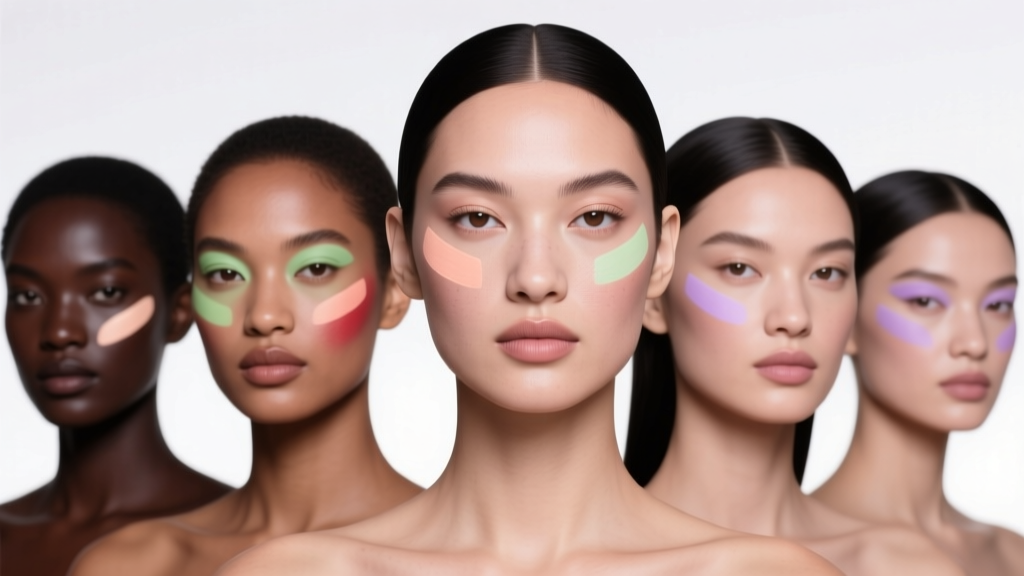
Color correcting works on the principle that opposite colors on the color wheel neutralize each other. Green cancels red, peach/salmon cancels blue/purple, lavender cancels yellow, and orange cancels dark brown/grey. The key is choosing the right intensity of corrector for your skin depth.
For Fair to Light Skin
Dark circles (blue/purple): Use a light peach corrector. Apply a thin layer under the eyes before concealer. The peach neutralizes the blue without showing through lighter skin.
Redness: A light mint green corrector applied sparingly to red areas (around the nose, on blemishes) before foundation.
Sallowness: A lavender primer over the entire face brightens sallow undertones.
For Medium to Tan Skin
Dark circles: A deeper salmon or orange-peach corrector. Medium skin needs more pigment in the corrector to effectively neutralize darkness.
Hyperpigmentation: An orange corrector under concealer helps mask the grey-brown tones of melasma and post-inflammatory hyperpigmentation common in medium skin tones.
For Deep Skin Tones
Dark circles: A rich orange or red-orange corrector is essential. Light peach correctors turn ashy on deep skin. The corrector should match the warmth of the skin while being slightly lighter.
Hyperpigmentation: Red corrector under concealer provides the most natural coverage for dark spots on deep skin.
Application Technique
Apply correctors in thin layers — less is more. Use a small, dense brush or your ring finger to pat (never rub) the product onto the area of concern. Let it set for 30 seconds before applying concealer or foundation on top. Build coverage gradually rather than applying one heavy layer.