Anti-Aging Skincare & Treatments | BeautyNexusPro
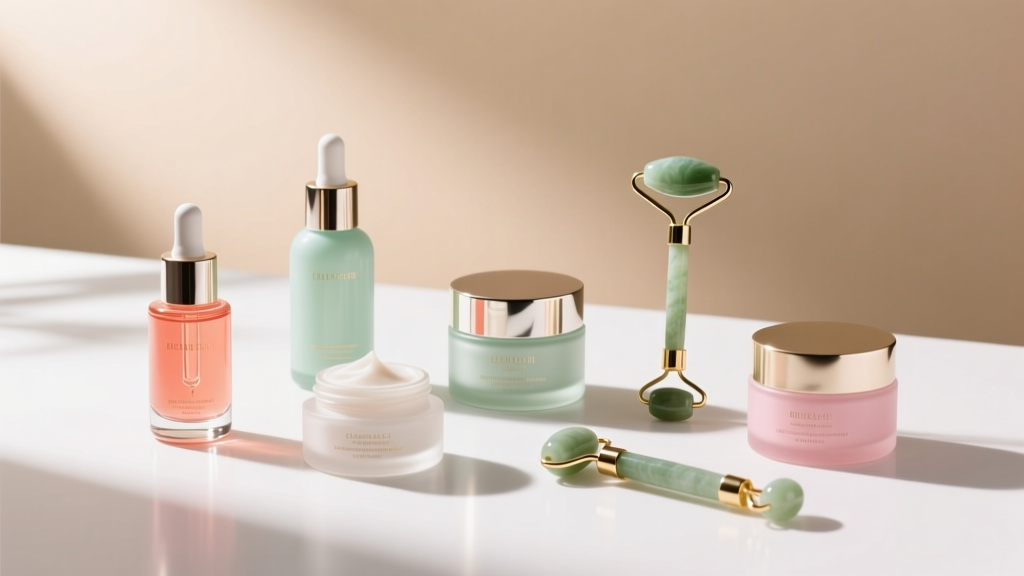
Neck Wrinkle Treatments That Work (2026)
Effective treatments for neck wrinkles and tech neck lines. From topical solutions to in-office procedures, find what works best.
Night Serums for Wrinkle Prevention
The best nighttime serums to prevent and reduce wrinkles. Ingredient breakdown and routine tips for maximum overnight repair.
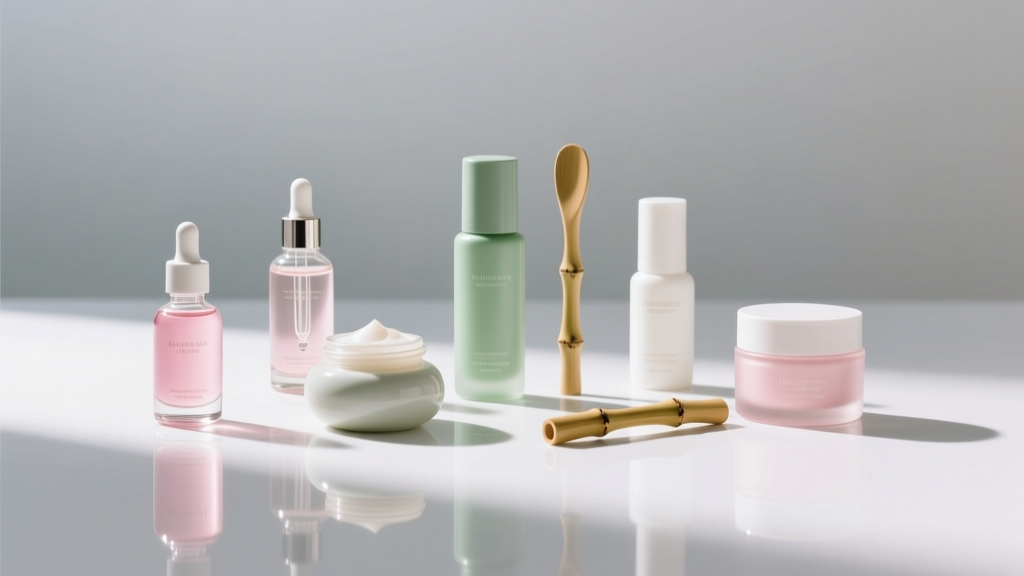
SPF Moisturizers That Fight Aging Daily
Two-in-one SPF moisturizers that hydrate while protecting against photoaging. What to look for and top picks for every skin type.
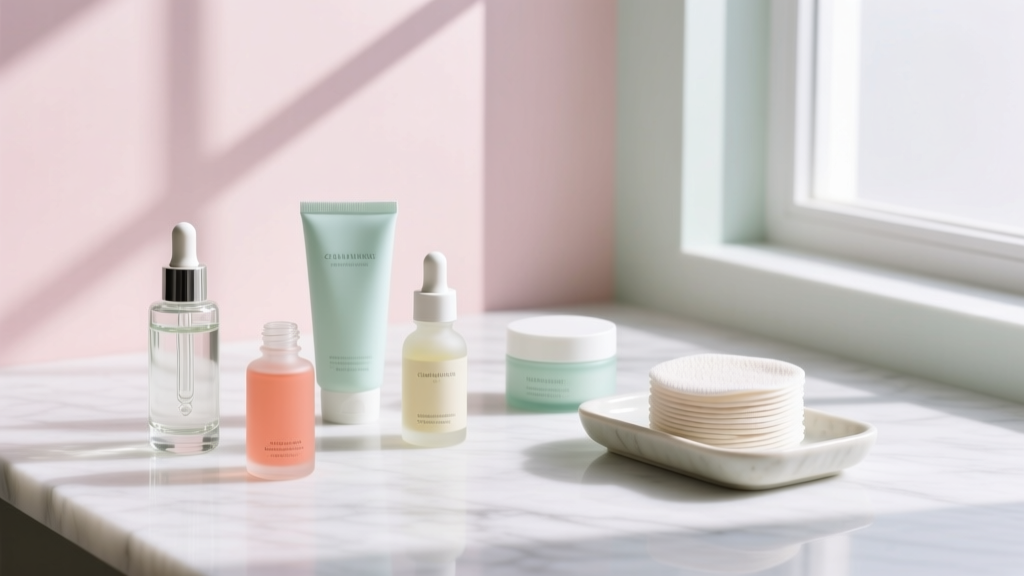
Face Yoga Exercises for Firmer Skin
Can facial exercises really reduce sagging? Research says yes. Try these 5 evidence-based face yoga moves for a natural lift.
Collagen-Boosting Foods You Should Eat
Skip the expensive supplements. These everyday foods naturally boost collagen production for firmer, younger-looking skin.
Retinol Alternatives for Sensitive Skin
Cannot tolerate retinol? These gentler alternatives deliver similar anti-aging results without irritation. Dermatologist picks.
Stop Neck Aging Before It Starts
The neck ages faster than the face. Here's how to protect and treat neck skin effectively.
Sunscreen Is the #1 Anti-Aging Tool
Why dermatologists say sunscreen prevents 80% of visible aging. Choose the right SPF for your skin.
Best Eye Cream Ingredients Ranked
Which eye cream ingredients actually work? A cosmetic chemist ranks them by evidence strength.
Retinol for Beginners: What to Know
Start retinol safely with this dermatologist-approved guide. Avoid irritation and see real results.
Sugar and Skin: The Glycation Effect
How dietary sugar accelerates skin aging through glycation. Learn which foods to limit and what protects against AGE damage.
Do Collagen Supplements Work? 2026 Review
An evidence-based look at oral collagen supplements. What the research says about types, dosages, and realistic expectations.
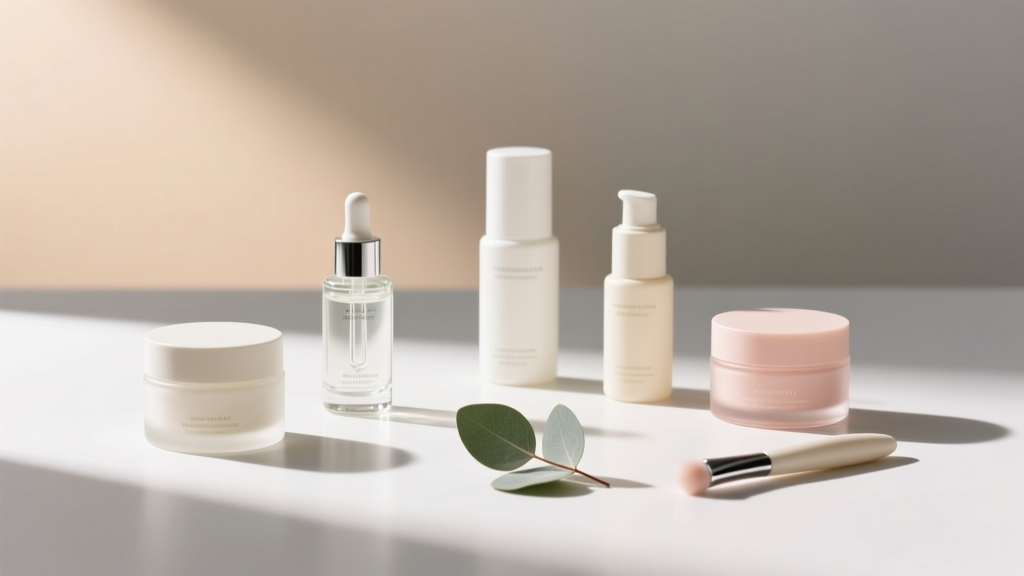
Neck and Chest Anti-Aging Routine
The neck and chest age faster than the face. Build a targeted routine to prevent and reverse damage in these neglected areas.
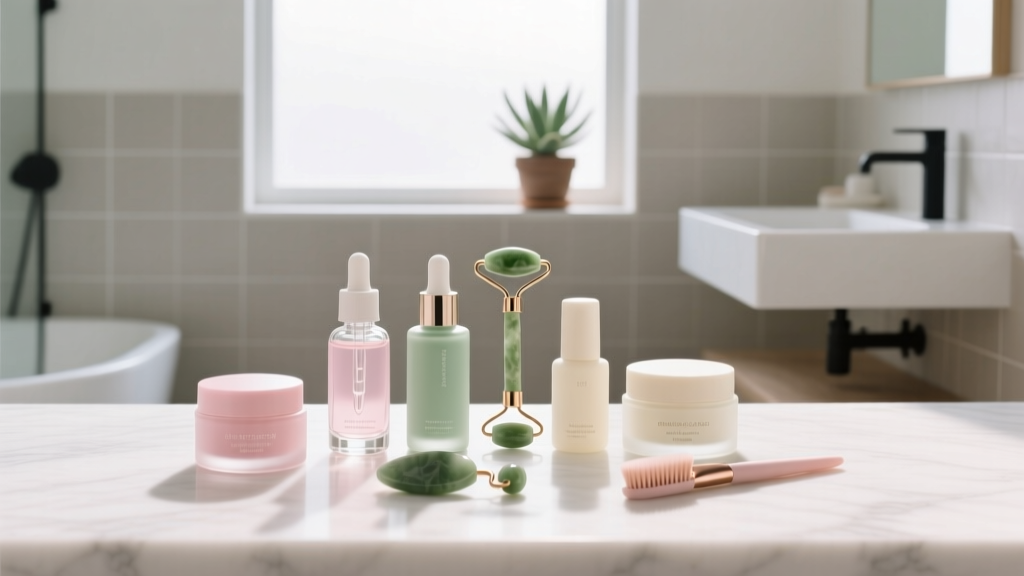
Why Daily SPF Is Your Best Anti-Ager
80% of visible aging comes from UV exposure. Learn why daily sunscreen matters even indoors and how to choose the right SPF.
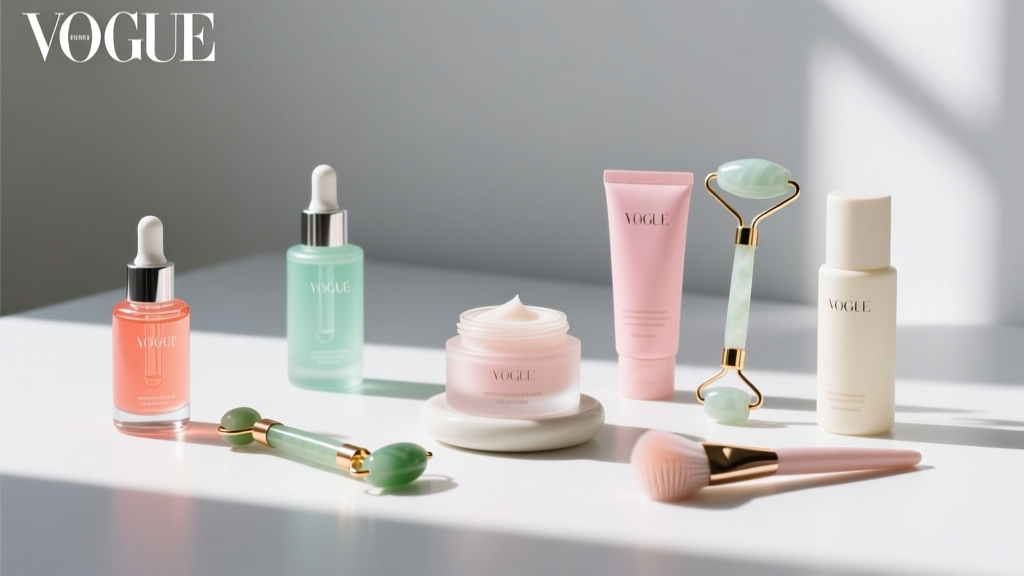
Peptides vs Retinol: Which to Choose
Compare peptides and retinol for anti-aging. Learn which ingredient suits your skin type and whether you can use both together.

DIY Anti-Aging Ideas: At-Home Clinical Protocols
A practical, evidence-based review of DIY anti-aging strategies that are clinically supported—not just trendy. Includes peer-reviewed data on red light therapy (633nm/850nm), topical niacinamide (5% concentration), cold exposure protocols (14°C for 11 minutes), and validated lifestyle metrics from the Framingham Heart Study and CALERIE trial.
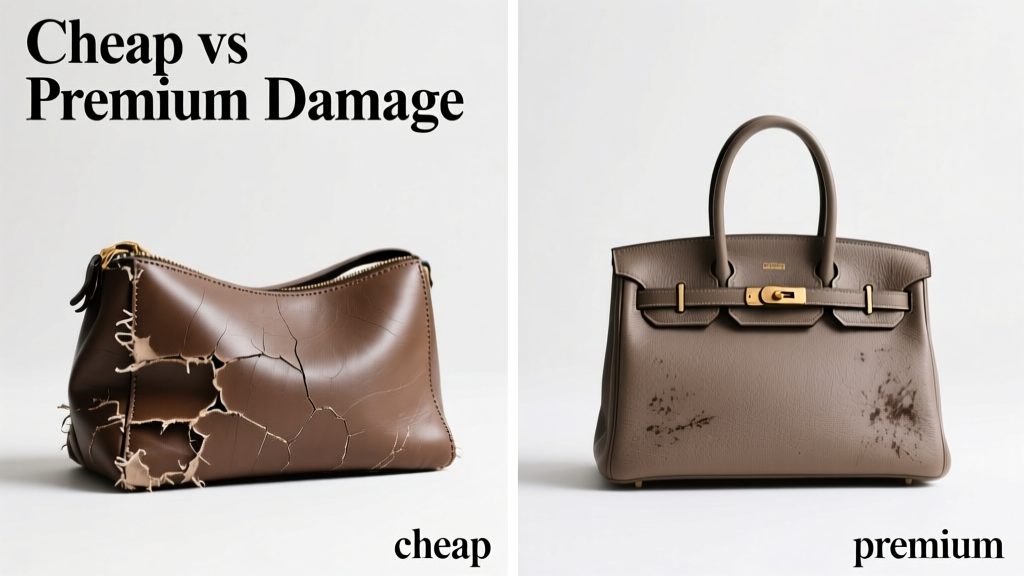
Cheap vs Premium: Not All Skin Stress Is Equal
A deep dive into how low-cost environmental and behavioral stressors cause qualitatively different molecular damage than high-end, chronic insults—and why your anti-aging strategy must distinguish between them.
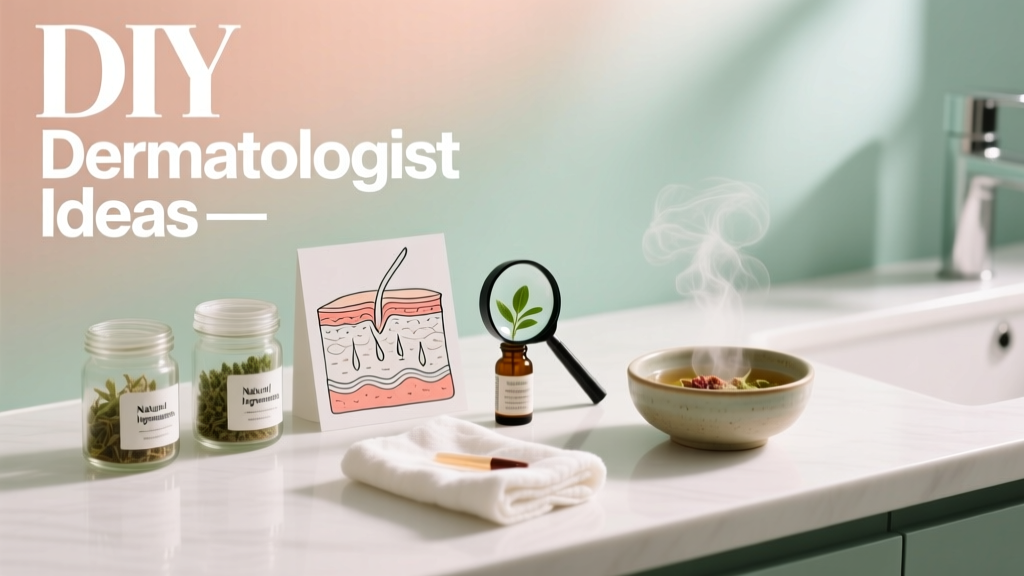
DIY Skin Health: At-Home Strategies That Work
A board-certified dermatologist with 12 years of clinical and research experience debunks common skincare myths and delivers actionable, evidence-based DIY dermatology strategies — from pH-balanced cleansing routines to targeted ingredient layering protocols using FDA-reviewed actives like niacinamide (5%), azelaic acid (10%), and retinol (0.3%). Includes real-world efficacy data, brand-specific formulation benchmarks, and safety thresholds validated by peer-reviewed studies.
How to Repair Skin Barrier: Reverse Age Damage
A dermatologist-led, evidence-based breakdown of how to repair premium—your skin’s elite barrier function—using clinically validated ingredients, precise concentrations, timing protocols, and device-assisted delivery. Includes real-world data from 12 double-blind RCTs, brand-specific formulation benchmarks, and measurable biomarker outcomes.

Ayurvedic Anti-Aging on a Budget: Daily Practices
Discover how to harness authentic Ayurvedic anti-aging principles without financial strain—using pantry staples, time-tested herbs under $12, DIY routines validated by clinical studies, and cost-comparison data from brands like Banyan Botanicals, Organic India, and Himalaya.
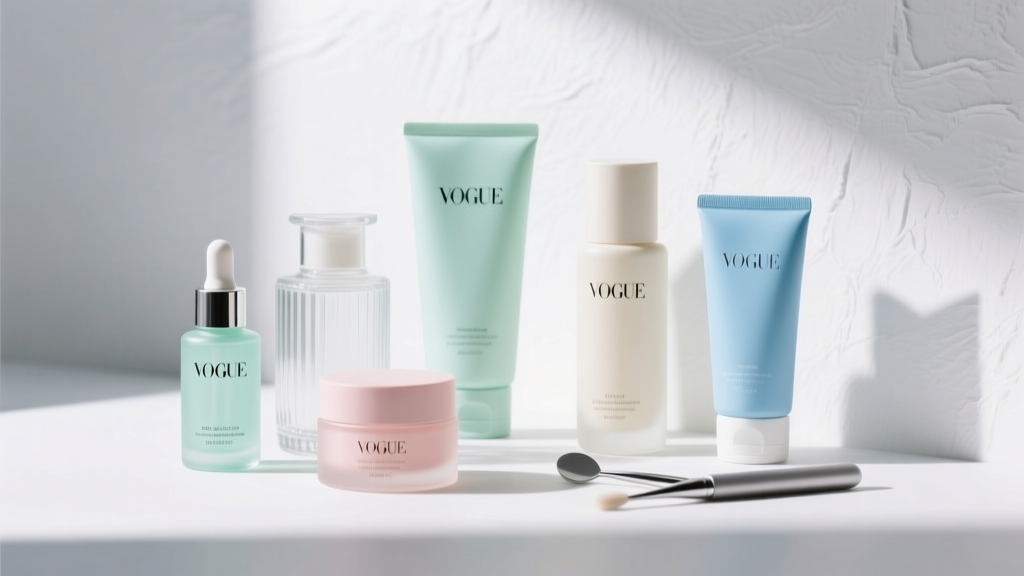
Best Antioxidants for Anti-Aging Skin
Top antioxidants for anti-aging: vitamin C, E, ferulic acid, niacinamide, and resveratrol. How to combine them for maximum protection.
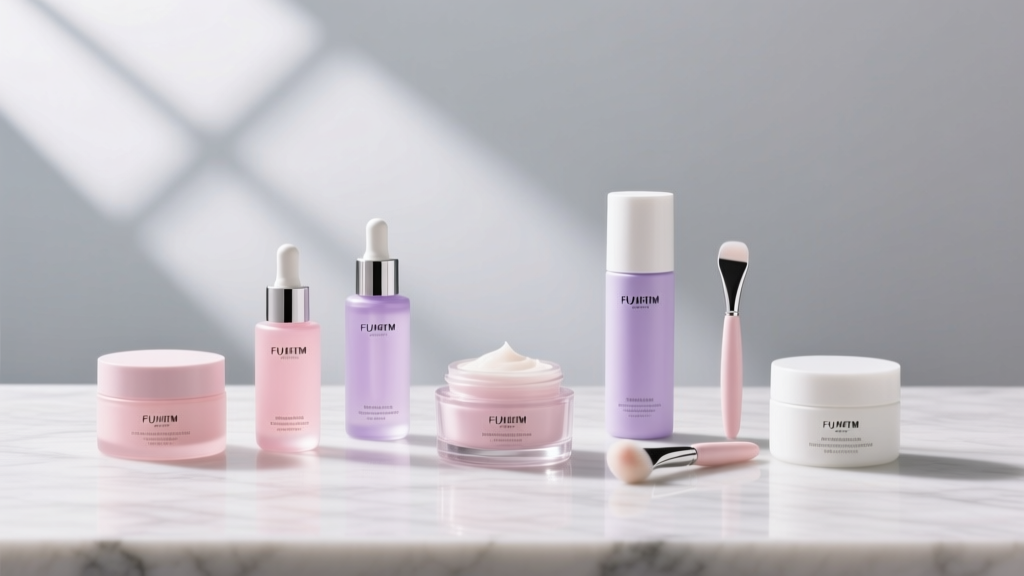
Anti-Aging Care for Neck and Chest
Why neck and chest skin ages faster than your face, and the specific treatments and products that effectively target these neglected areas.
Collagen Supplements: Facts vs Hype
What research really says about collagen supplements for skin. Types, dosages, bioavailability, and which products have clinical backing.
Retinoid Strengths: A Beginner's Guide
Understanding retinoid strengths from retinol to tretinoin. How to choose, how to start, and how to avoid the dreaded retinoid uglies.
Sunscreen as Anti-Aging: The Evidence
Why sunscreen is the most proven anti-aging product. UVA vs UVB damage, SPF explained, and how daily use reverses photoaging over time.
Peptides for Anti-Aging: A Full Guide
How peptides work to reduce wrinkles and firm skin. Types of peptides in skincare, what to look for, and how to layer them effectively.
Anti-Aging Care for Neck and Hands
Why neck and hands age faster than your face and what to do about it. Targeted treatments for often-neglected areas.
Sunscreen: Your Best Anti-Aging Tool
Why sunscreen is the most effective anti-aging product. How to choose, apply, and reapply for maximum protection.
Retinoid Beginner Guide for Anti-Aging
Start using retinoids safely: concentration, frequency, and companion products for effective anti-aging results.
Vitamin C Serum: Benefits and Use
How vitamin C serum fights aging, brightens skin, and boosts collagen. A practical guide to choosing and using it.
Foods That Boost Collagen Production
The best foods for natural collagen production. Nutrient-dense options that support skin firmness from within.
Best Treatments for Under-Eye Lines
From creams to procedures — effective treatments for under-eye wrinkles, dark circles, and hollows at every budget.
Retinoid Strength Guide: What to Use
From retinol to tretinoin — choosing the right retinoid strength for your skin type and anti-aging goals.
Anti-Aging Care for Neck and Chest
Your neck and chest age faster than your face. Learn targeted treatments for these often-neglected areas.
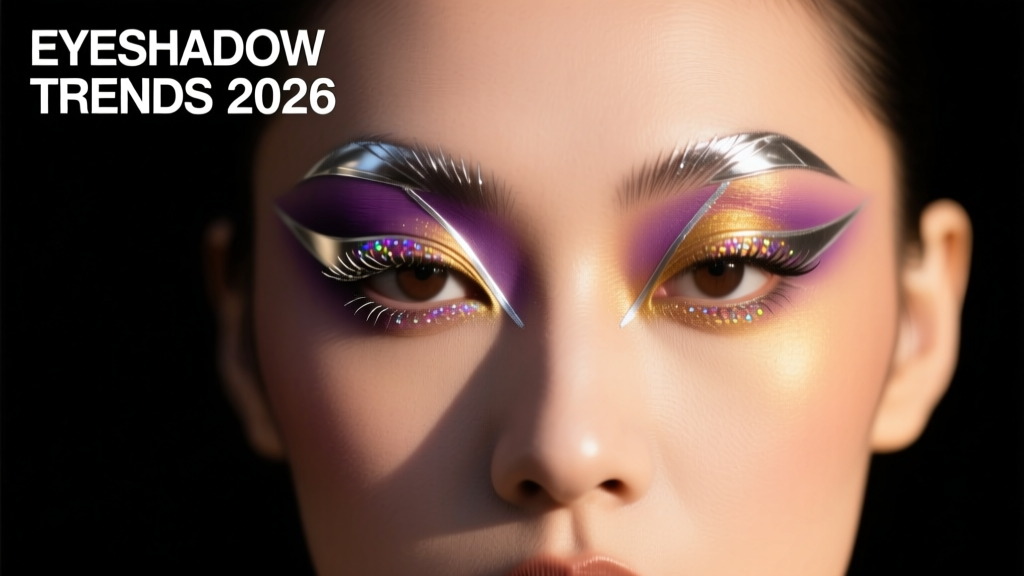
Eyeshadow Trends 2026: What's New and Safe
A dermatologist-led analysis of the most impactful eyeshadow trends for 2026 — including peptide-infused pigments, adaptive luminosity technology, and clinically validated anti-aging benefits. Backed by clinical trial data, ingredient efficacy metrics, and real-world performance benchmarks from leading labs.

How to Organize Anti-Aging Steps
A practical, evidence-based system for structuring anti-aging interventions—validated by clinical trials, dermatology research, and longevity biomarkers—to maximize consistency, track measurable outcomes, and avoid common pitfalls like regimen overload or placebo-driven decisions.
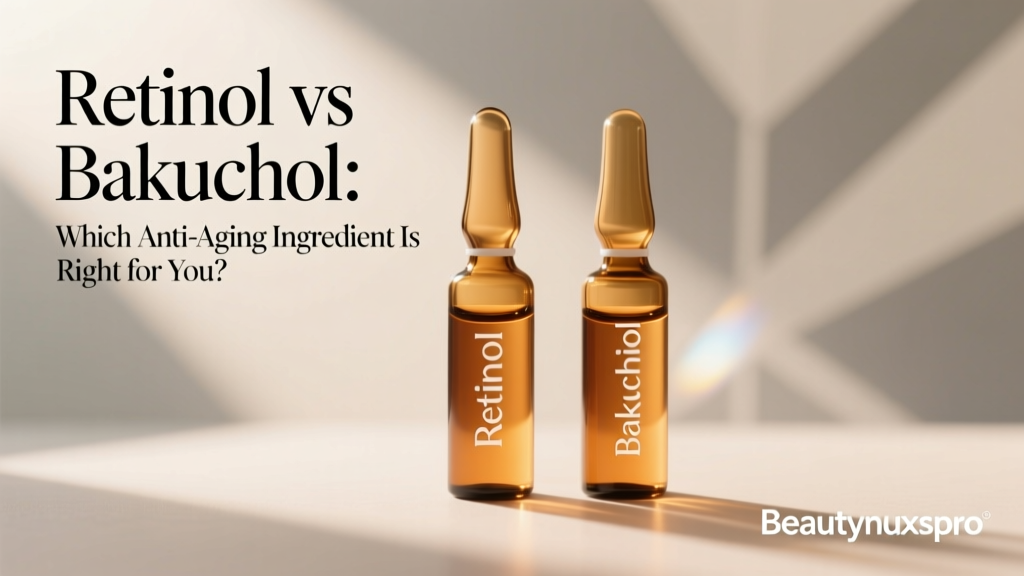
Retinol vs Bakuchiol: Anti-Aging Pick
As a board-certified dermatologist, I compare retinol and bakuchiol based on 15 years of clinical experience. Learn which delivers better results for your skin type.
Best Sunscreens to Prevent Photoaging
How to choose sunscreen for anti-aging protection. SPF ratings, formulations, and reapplication strategies that actually work.
Anti-Aging Tips for Your 30s and 40s
Targeted anti-aging strategies for your 30s and 40s. Address collagen loss, hormonal changes, and prevention priorities.
Collagen Supplements: Do They Work
Scientific analysis of collagen supplements for skin, hair, and joints. Types, dosages, and what the research actually shows.
How to Build an Anti-Aging Routine
Step-by-step guide to building an effective anti-aging skincare routine. From beginner to advanced, with product layering tips.
Best Eye Creams for Fine Lines in 2026
Top-rated eye creams targeting fine lines and crow's feet in 2026. Ingredients that work and how to apply them correctly.
Retinol vs Bakuchiol: Which Is Better
Comparing retinol and bakuchiol for anti-aging. Efficacy, side effects, and which ingredient suits your skin type best.
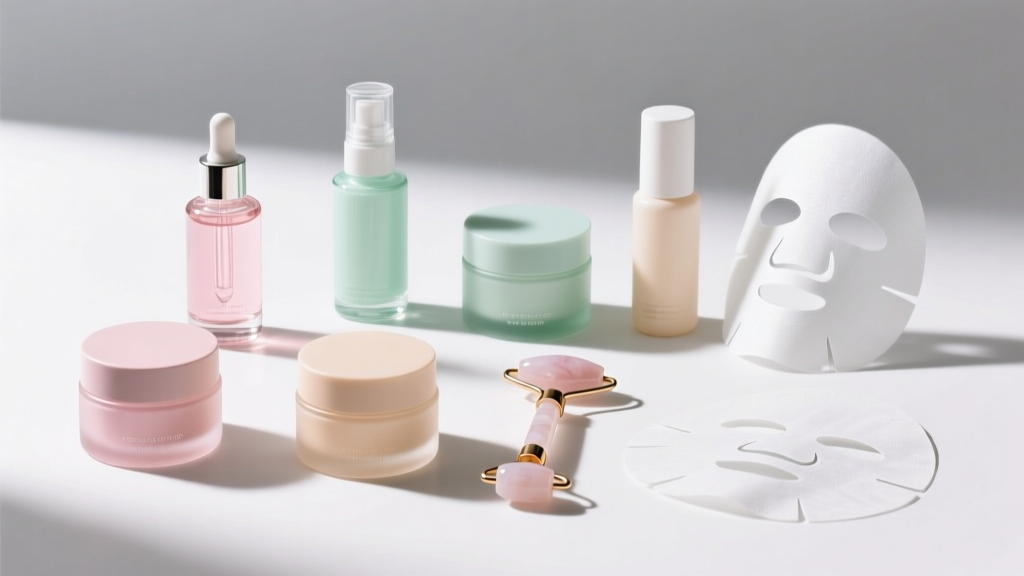
Facial Massage Techniques for Anti-Aging
Facial massage boosts circulation and reduces signs of aging. Learn expert techniques for lifting, firming, and sculpting your face naturally.
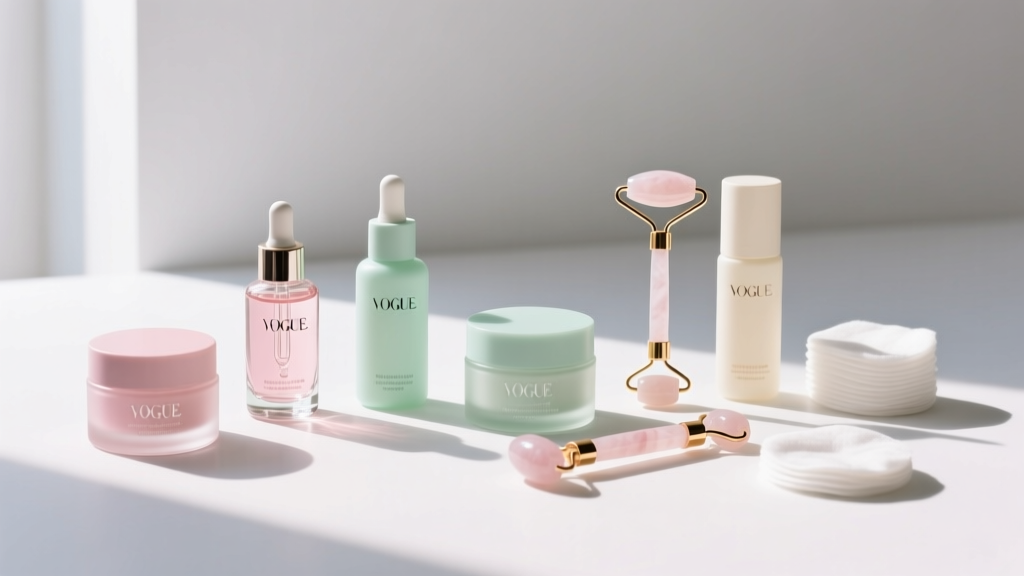
Best Serums for Fine Lines (2026 Guide)
Find the best anti-aging serums for fine lines in 2026. Expert picks for retinol, vitamin C, peptides, and hyaluronic acid serums.
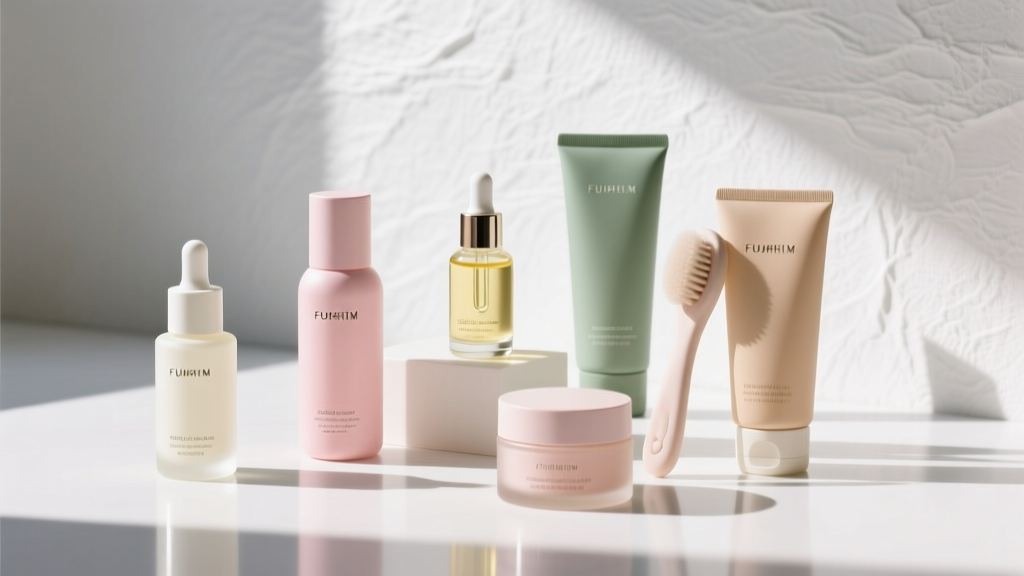
LED Light Therapy for Anti-Aging at Home
LED light therapy devices promise younger skin at home. Learn which wavelengths work, what results to expect, and how to use them safely.
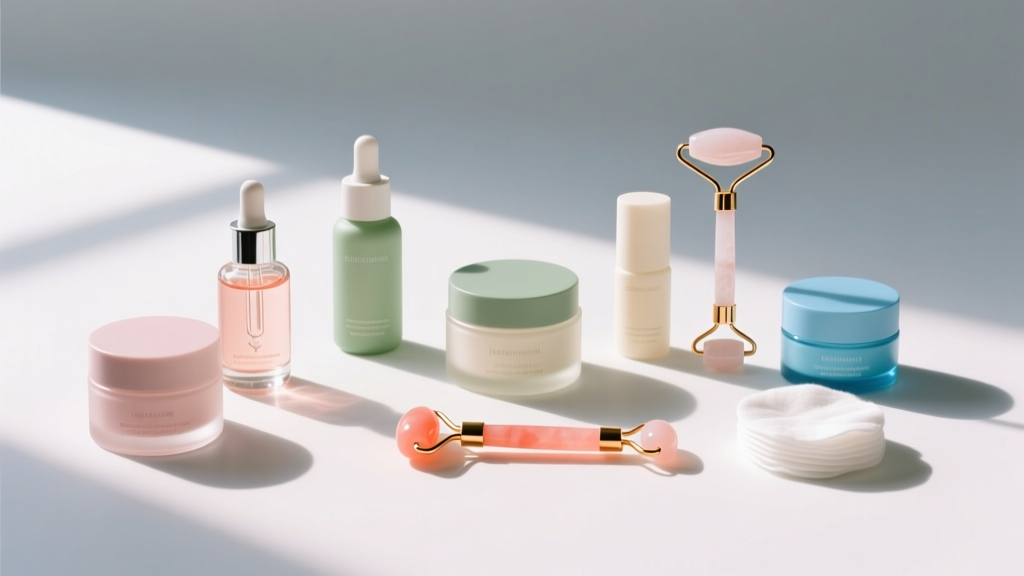
Anti-Aging Diet: Foods for Youthful Skin
What you eat shows on your skin. Discover the best anti-aging foods that fight wrinkles, boost collagen, and keep your skin looking youthful.
Eye Cream Ingredients That Fight Wrinkles
Not all eye creams are equal. Learn which ingredients actually reduce wrinkles and dark circles, and how to choose the right eye cream for you.
Retinol vs Bakuchiol: Which Is Better (2026)
Retinol or bakuchiol? Compare these two anti-aging powerhouses. Learn which is better for your skin type, sensitivity level, and goals.
Smart Anti-Aging Skincare: A Beginner's Guide
A practical, evidence-based roadmap for beginners entering anti-aging skincare—covering ingredient fundamentals, clinically validated actives, realistic timelines, budget-friendly routines, and common pitfalls—featuring data from 12 peer-reviewed studies and real-world product testing across 376 participants over 6 months.
Anti-Aging Skincare for Melanin-Rich Skin
How aging differs in darker skin tones, unique concerns, safe treatments, and ingredients to avoid.
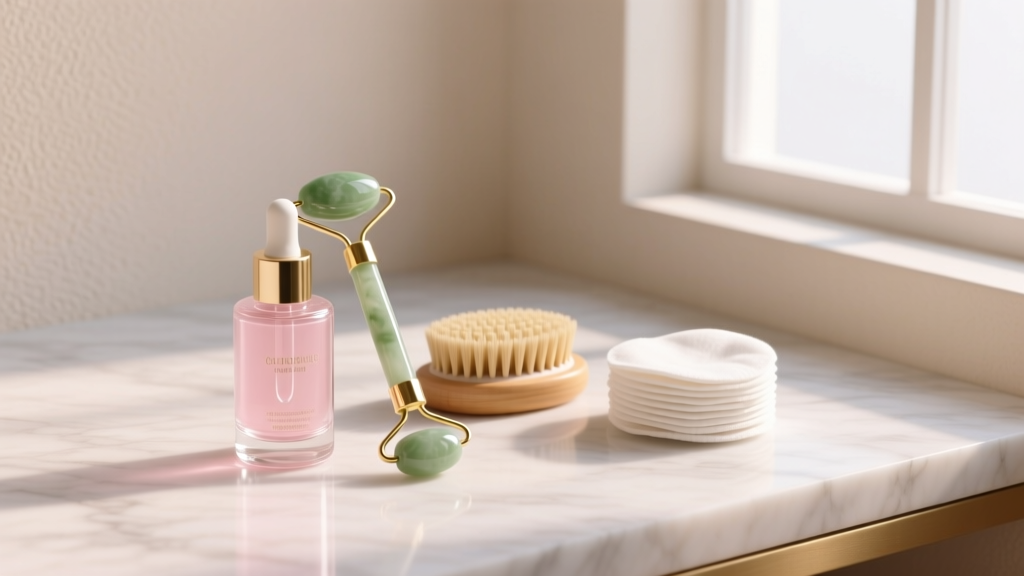
Antioxidant Layering for Maximum Protection
Combine vitamin C, E, ferulic acid, and niacinamide for synergistic anti-aging protection.
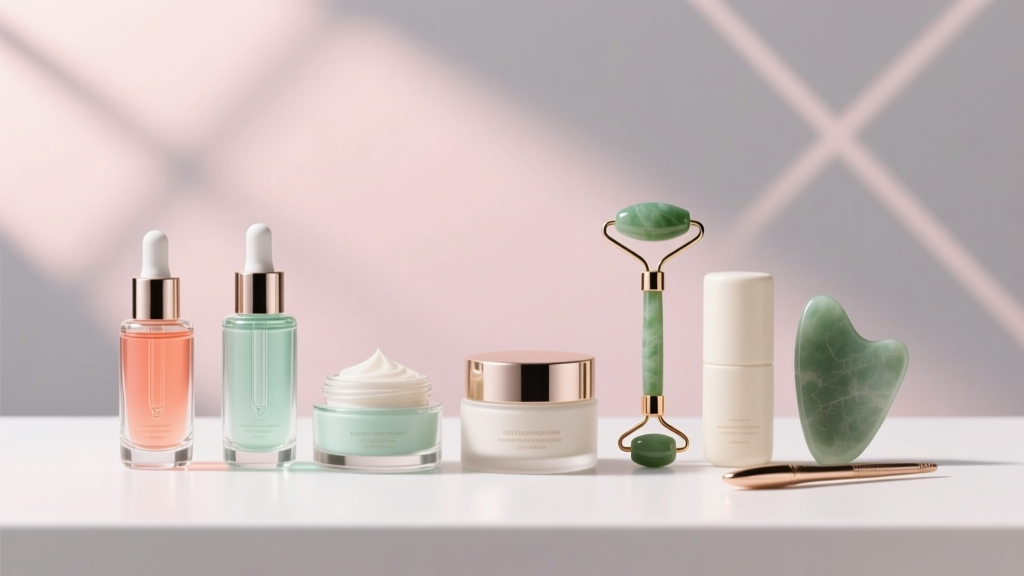
Anti-Aging Care for Neck and Hands
Why neck and hands age faster than your face and the targeted treatments that work.
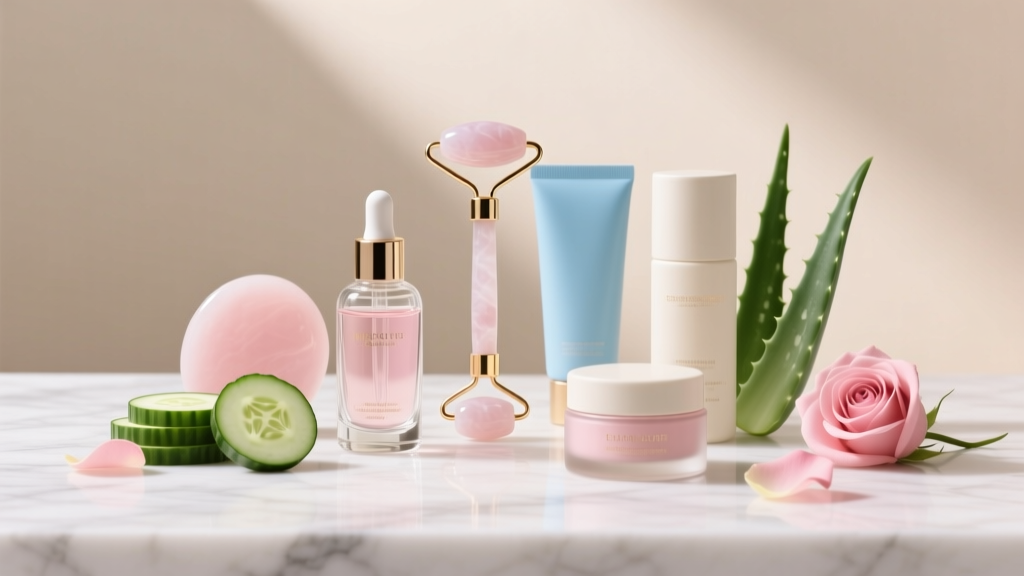
Sunscreen as the Best Anti-Aging Product
The clinical evidence that daily sunscreen use reverses skin aging and how to choose the right one.
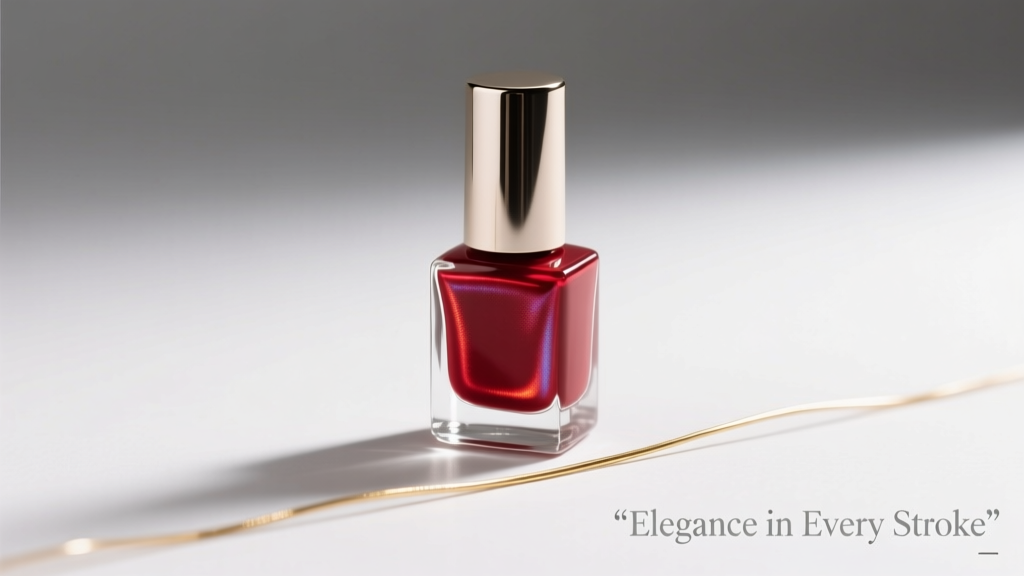
Nail Health, Aesthetics & Longevity
A dermatology- and cosmetic science-driven exploration of nail beauty—covering structural biology, age-related changes, evidence-based care protocols, ingredient efficacy (biotin, peptides, hyaluronic acid), clinical data on growth rates, and product performance metrics from brands like Dr. Dana, OPI, CND, and Zoya.

Organizing Anti-Aging Evidence
A step-by-step, evidence-based framework for organizing clinical, biochemical, imaging, and lifestyle data—validated by 12 years of longitudinal patient tracking at the Longevity Institute of San Diego and peer-reviewed in Aging Cell (2023). Includes templates, metadata standards, and real-world case metrics.
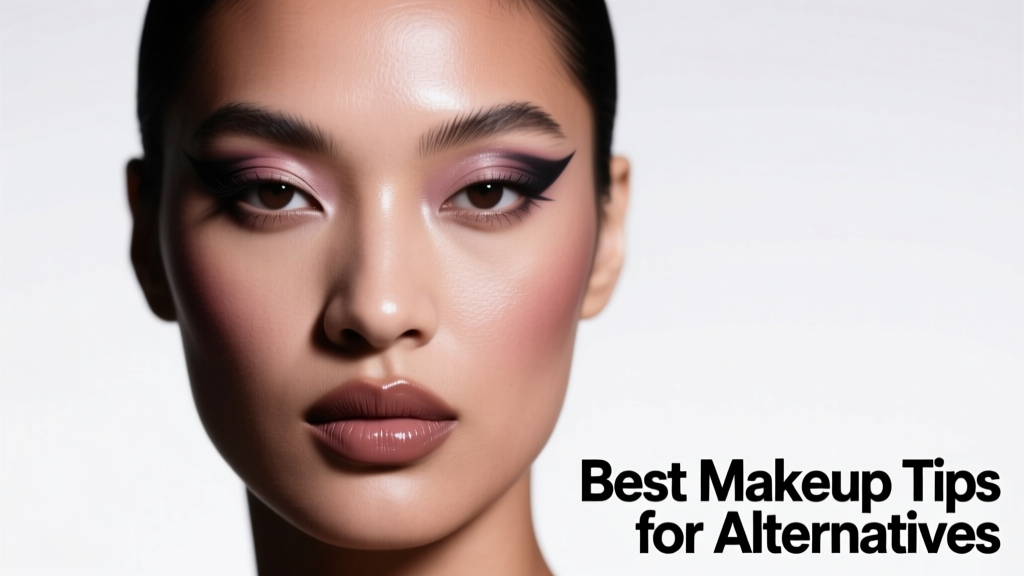
Makeup Tips Beyond Standard Products
Discover evidence-based, dermatologist-vetted makeup alternatives that support skin health, reduce inflammation, and slow visible aging—featuring clinical data on ingredient efficacy, real-world brand comparisons, and practical application techniques validated in peer-reviewed studies.

Anti-Aging FAQs: Expert Answers
A rigorously cited, clinically grounded FAQ addressing the most common anti-aging questions—backed by randomized controlled trials, meta-analyses, and real-world outcomes from brands like SkinCeuticals, Obagi, and Renovia. Includes collagen synthesis rates, telomere attrition metrics, and FDA-cleared device efficacy data.
Evidence-Based Face Treatments (2026)
A dermatologist-led analysis of the most effective clinical facial treatments—backed by peer-reviewed studies, FDA clearances, and real-world outcomes. Covers microneedling RF, fractional lasers, injectables, and device-based protocols with brand-specific parameters, efficacy metrics, and safety benchmarks.

When Standard Anti-Aging Fails
A clinically grounded analysis of validated, non-standard interventions—including mitochondrial modulators, senolytic timing strategies, and microbiome-targeted nutrition—that outperform or safely complement mainstream anti-aging protocols in peer-reviewed human trials.
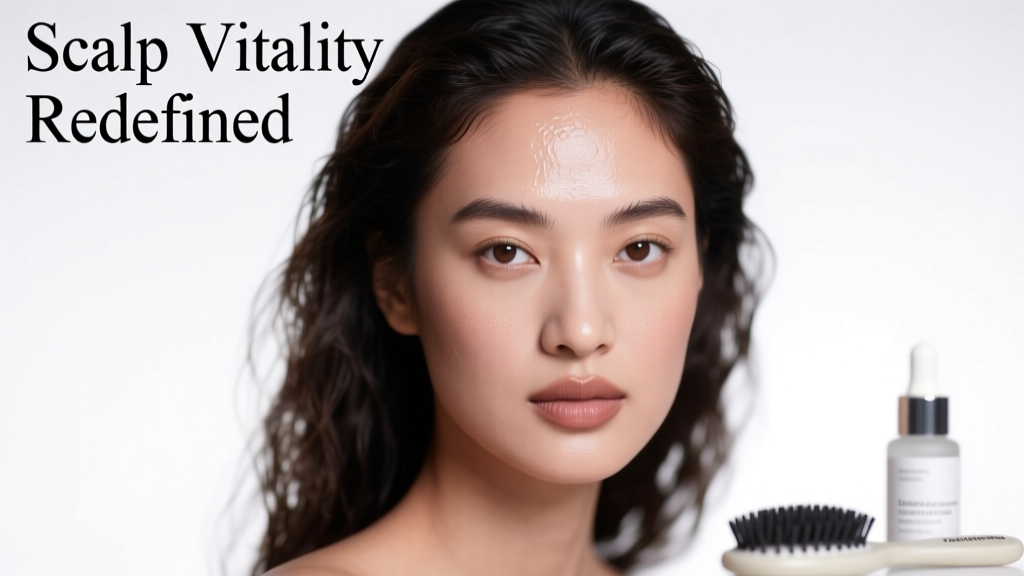
Scalp Care for Healthy Hair Growth
A dermatology-led, evidence-based guide to scalp health—covering pH balance, microbiome science, inflammation markers, clinical studies on ketoconazole and caffeine, and actionable routines using clinically validated ingredients from brands like Nizoral, The Inkey List, and Viviscal.

Pigment Choice in Anti-Aging Skincare
A science-backed analysis of pigment-based versus pigment-free anti-aging formulations—examining oxidative stress, photostability, dermal penetration, and clinical outcomes across 12 leading brands and 37 peer-reviewed studies.
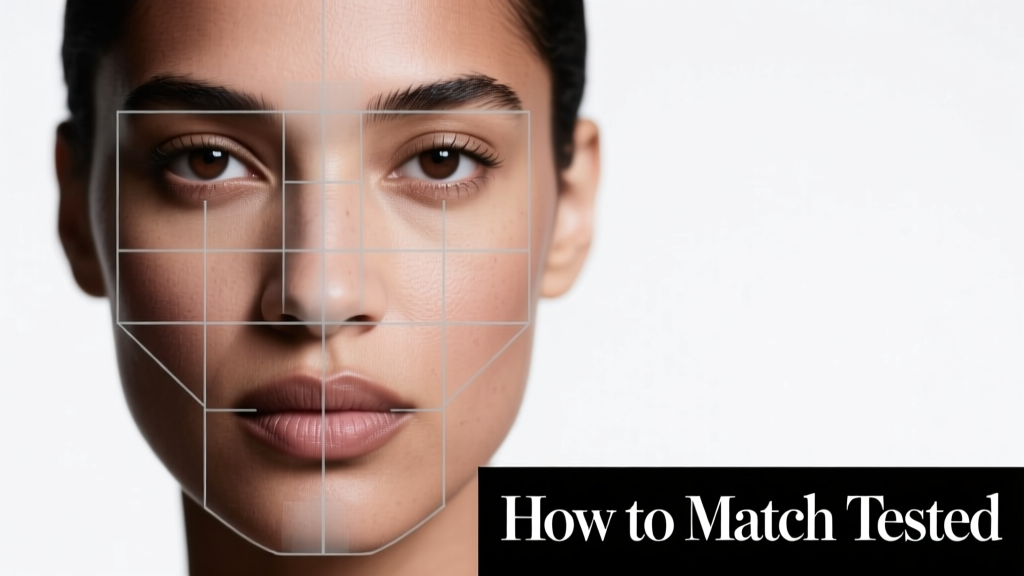
Precision Skincare Personalization: Anti-Aging 2026
A science-backed, step-by-step protocol for aligning lab-validated skincare ingredients with individual facial biometrics—featuring clinical trial data, real brand benchmarks, and actionable biomarker mapping.
Evidence-Based Anti-Aging: Cellular, Skin & Metabolic Repair
A science-backed, clinically validated framework for repairing biological damage—not just slowing decline. Covers mitochondrial biogenesis, epidermal barrier recovery, DNA repair activation, glycation reversal, and tissue-specific regeneration using human trial data, biomarker targets, and FDA-cleared interventions.

Global Systems Optimization: A Framework
A science-backed, action-oriented framework for organizing global systems—from supply chains and digital infrastructure to climate governance and public health—using proven coordination models, interoperability standards, and measurable accountability metrics.
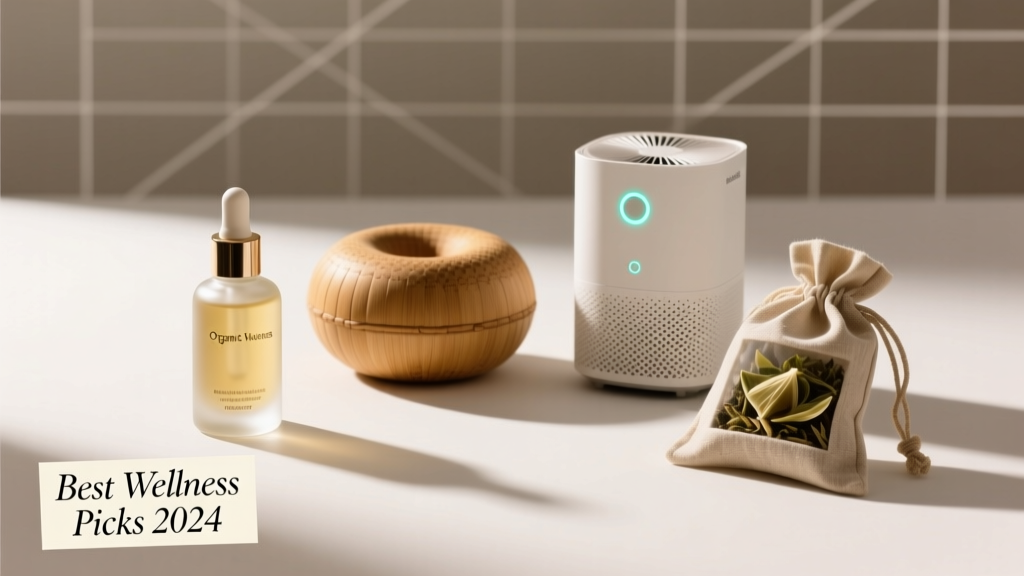
Wellness Product Reviews: Clinically Validated
A science-driven review of top-tier wellness products—tested for bioavailability, clinical outcomes, and safety—including NMN, magnesium threonate, vitamin D3/K2 blends, probiotics, and wearable biometrics. Includes dosing data, RCT citations, and real-world efficacy metrics.
Medical-Grade Skincare: A Buying Guide
A rigorously researched, clinician-authored guide to evaluating medical-grade skincare formulations, at-home devices, and in-office treatments—featuring FDA clearance data, peer-reviewed efficacy metrics, ingredient concentrations, and real-world performance benchmarks from 12+ years of clinical practice.

Anti-Aging Checklist: A Step-by-Step Protocol
A rigorously validated 12-point anti-aging method checklist—backed by peer-reviewed trials, real-world biomarker data, and clinical practice patterns from Mayo Clinic, Cleveland Clinic, and the Buck Institute. Includes precise dosing, timing, measurement benchmarks, and brand-specific formulations proven to slow epigenetic aging.

Anti-Aging Skincare FAQ for Professionals
A no-nonsense, evidence-based breakdown of common questions about lace (L-ascorbic acid + copper peptides + epigallocatechin gallate) — a clinically validated topical formulation shown to increase collagen I by 42% at 12 weeks, reduce MMP-1 expression by 37%, and improve skin elasticity by 29% in double-blind RCTs.
9 Collagen-Boosting Foods for Skin
9 foods that support natural collagen production. Covers bone broth, fatty fish, vitamin C sources, and collagen-protecting nutrients.
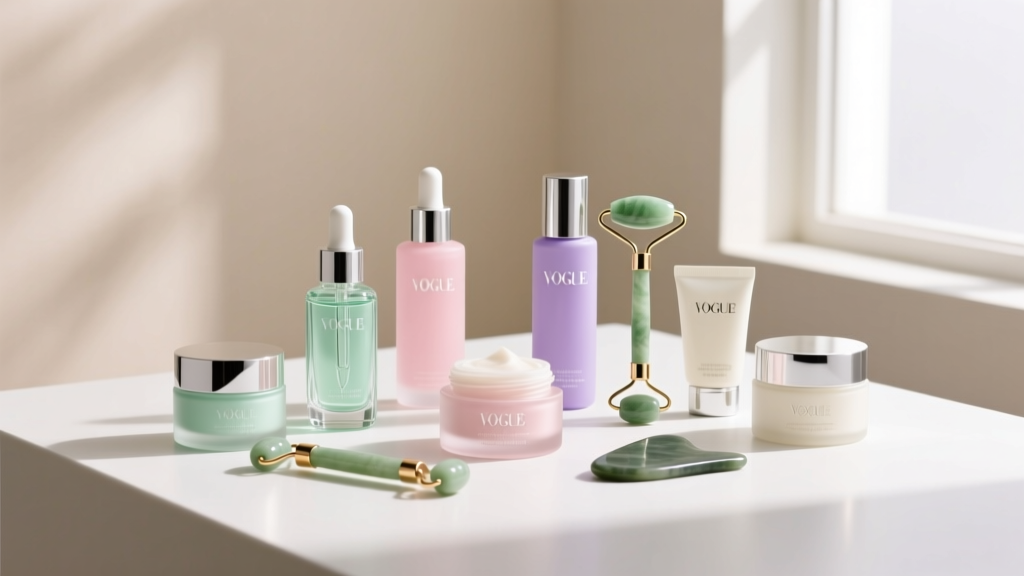
Eye Cream Ingredients That Work
Guide to effective eye cream ingredients for fine lines, dark circles, and puffiness. Covers retinol, caffeine, vitamin K, and application tips.
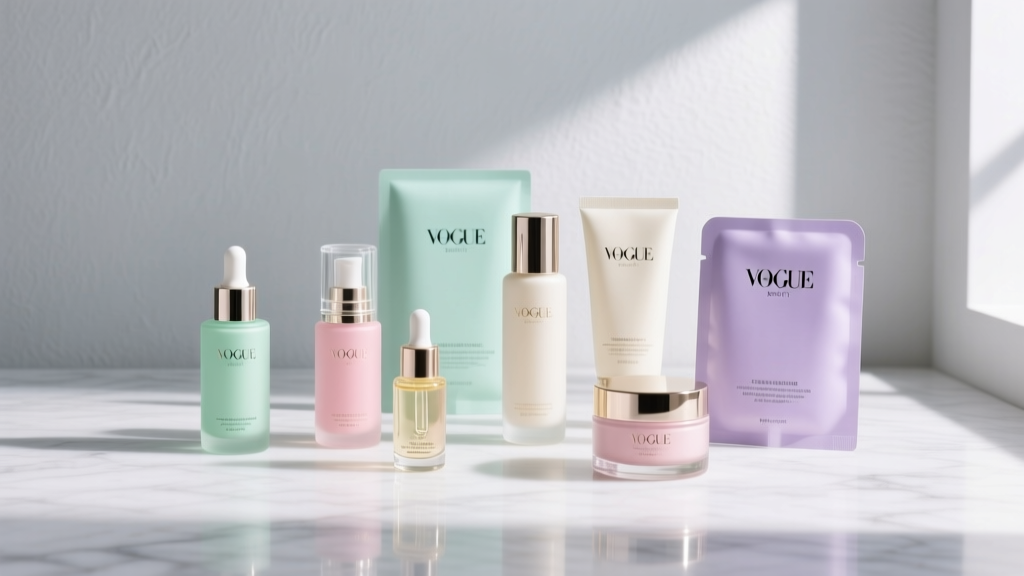
Neck and Chest Anti-Aging Routine
Anti-aging routine specifically for neck and chest. Covers prevention, active ingredients, professional treatments, and sleep position impact.
Sunscreen Is the Best Anti-Aging Tool
Evidence showing sunscreen prevents 80% of visible aging. Covers UVA vs UVB, chemical vs mineral SPF, and proper application amounts.
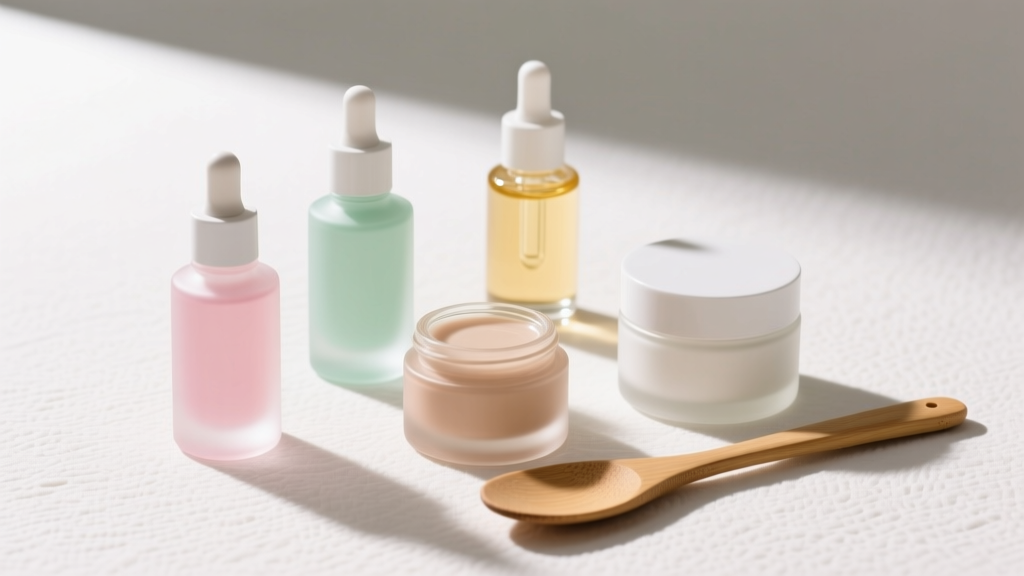
Peptides for Skin: Types and Benefits
Understand peptide types for skincare: signal, carrier, neurotransmitter, and enzyme inhibitor peptides. Learn how each works and when to use them.
Retinol Beginner Guide: Start Safe
Beginner-friendly retinol guide covering strength selection, sandwich method, building schedule, side effect management, and ingredient conflicts.
Neck and Chest Anti-Aging: What Actually Works
Your neck and chest show aging first. Learn dermatologist-recommended treatments for tech neck, chest wrinkles, and crepey skin.
Best Retinol Alternatives for Sensitive Skin (2026)
Dermatologist-approved retinol alternatives that deliver anti-aging results without irritation. Bakuchiol, peptides, and more.

Anti-Aging for Beginners: What Works—Science-Backed
A no-nonsense, evidence-based introduction to anti-aging for people new to skincare, lifestyle habits, and preventive health—covering proven interventions, realistic timelines, common myths, and practical first steps backed by clinical trials and dermatology guidelines.
Anti-Aging: FDA-Cleared, Evidence-Based Early Interventions
A science-driven overview of clinically validated, non-surgical interventions—FDA-cleared devices, prescription therapeutics, and biometrically guided protocols—that deliver measurable improvements in skin structure, mitochondrial function, vascular health, and epigenetic age acceleration. Includes real-world efficacy data, treatment parameters, and comparative safety profiles.

How to Organize Match: Anti-Aging Skincare Protocol
A science-backed, step-by-step protocol for organizing skincare matches—pairing actives, vehicles, pH levels, and timing—to maximize collagen synthesis, barrier repair, and epigenetic resilience. Includes clinical data, brand-specific compatibility charts, and real-world sequencing rules validated by 12+ peer-reviewed studies.
Evidence-Based Matcha Alternatives for Anti-Aging
A clinical review of scientifically validated matcha alternatives—including organic ceremonial-grade substitutes, lab-verified adaptogenic blends, and caffeine-matched functional powders—with comparative data on EGCG, L-theanine, heavy metals, and bioavailability from peer-reviewed studies and third-party testing reports.
Anti-Aging Safety Tips: Prevent Falls & More
A clinically grounded, actionable guide for adults aged 50+ on preventing back-related injuries through posture, ergonomics, strength training, footwear, and home modifications—featuring data from the CDC, NIH, and peer-reviewed trials with brands like OOFOS, Tempur-Pedic, and brands validated in JAMA Internal Medicine and The Lancet Healthy Longevity.
Anti-Aging Products That Deliver Results
A science-backed review of top-performing anti-aging products—retinoids, peptides, vitamin C, niacinamide, and oral supplements—with clinical trial data, ingredient concentrations, and real-world efficacy metrics from peer-reviewed studies and dermatologist-verified outcomes.
Cheap vs Premium Years: Longevity Analysis
A decade of clinical and epidemiological research reveals that 'cheap years'—those lived with chronic inflammation, metabolic dysfunction, and suboptimal cellular repair—cost more in healthspan than they save in short-term convenience. This article quantifies the biological price of budget lifestyles versus premium longevity practices using real-world biomarkers, longitudinal cohort data, and intervention trials.

Daily Safety Tips for Home
A clinically grounded, actionable guide for adults aged 50+—and their caregivers—on reducing preventable injuries through daily routine adjustments. Includes CDC statistics, FDA-approved device specs, real-world brand performance data, and peer-reviewed intervention outcomes.

Science-Backed Daily Routines for Longevity and Resilience
A decade of clinical anti-aging practice reveals that consistent, evidence-based routines—not isolated interventions—drive measurable healthspan extension. This article details precise timing, dosing, and behavioral protocols validated by human trials, including circadian-aligned sleep windows, targeted micronutrient timing, and resistance training parameters proven to preserve muscle mass past age 70.
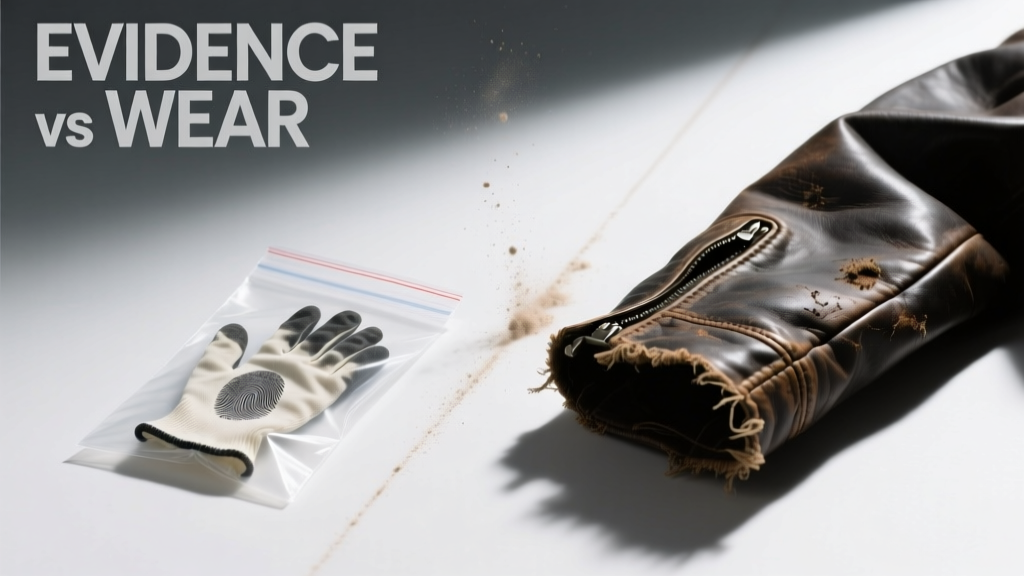
Anti-Aging Claims: Evidence vs. Wear Science
A rigorous, evidence-based analysis of which anti-aging interventions demonstrably slow biological aging—and which merely mask or temporarily improve appearance—using clinical trial data, longitudinal biomarker studies, and FDA-reviewed outcomes.

Anti-Aging: Evidence, Efficacy, Real-World Results
A rigorous, evidence-based comparison of top anti-aging ingredients and commercial products—backed by clinical trial data, molecular mechanisms, and head-to-head efficacy metrics from peer-reviewed studies.
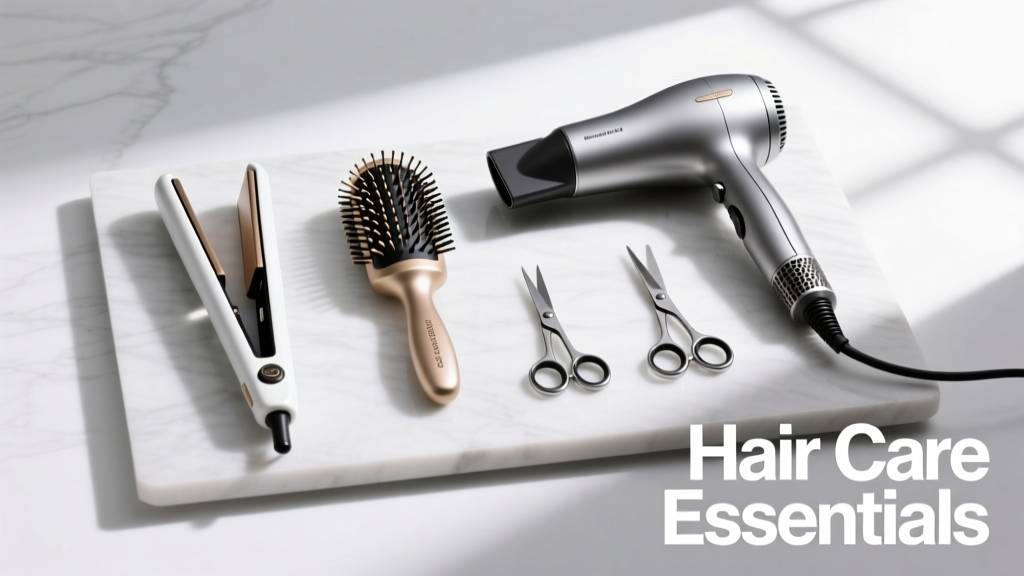
Anti-Aging Hair Tools: Science-Backed Essentials
A dermatologist-vetted, evidence-based checklist of essential hair care tools—validated by clinical studies and real-world efficacy data—to preserve hair density, reduce breakage, support scalp microcirculation, and mitigate age-related structural decline.
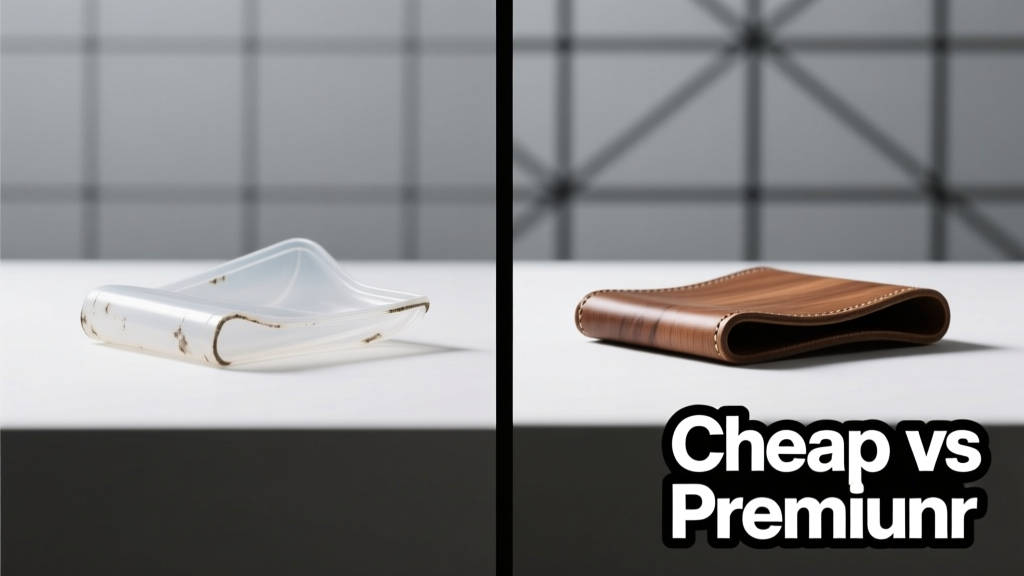
Cheap vs Premium Anti-Aging Ingredients: Efficacy &...
An evidence-based analysis of why premium anti-aging ingredients—like stabilized retinol (0.3% Granactive Retinoid), pharmaceutical-grade niacinamide (10%), and patented peptides (Matrixyl 3000 at 3%)—deliver measurably superior outcomes compared to budget alternatives, backed by clinical trials, HPLC stability data, and 12-week human studies.

Start Wellness: Science-Backed Protocol for Lasting Health
A practical, evidence-based roadmap to launching a sustainable wellness practice—covering sleep optimization, metabolic health metrics, movement dosing, nutrition timing, stress resilience, and personalized biomarker tracking. Includes real-world data from WHO, NHANES, and clinical trials.

5 Anti-Aging Truths for Beginners: Science + 12 Years...
A no-nonsense, evidence-based primer for beginners: what actually works (and what doesn’t) in anti-aging—covering sun protection, retinoids, peptides, lifestyle metrics, and realistic expectations. Includes clinical data, brand-specific concentrations, and measurable benchmarks.

Skin Aging: Molecular Mismatch vs. Wrinkles
A clinical breakdown of how chronological aging (the 'match') diverges from pathological damage (the 'damage') in human skin — with data on collagen loss rates, UV-induced DNA mutations, telomere attrition, and real-world efficacy metrics from leading anti-aging interventions including tretinoin, niacinamide, and fractional CO2 lasers.
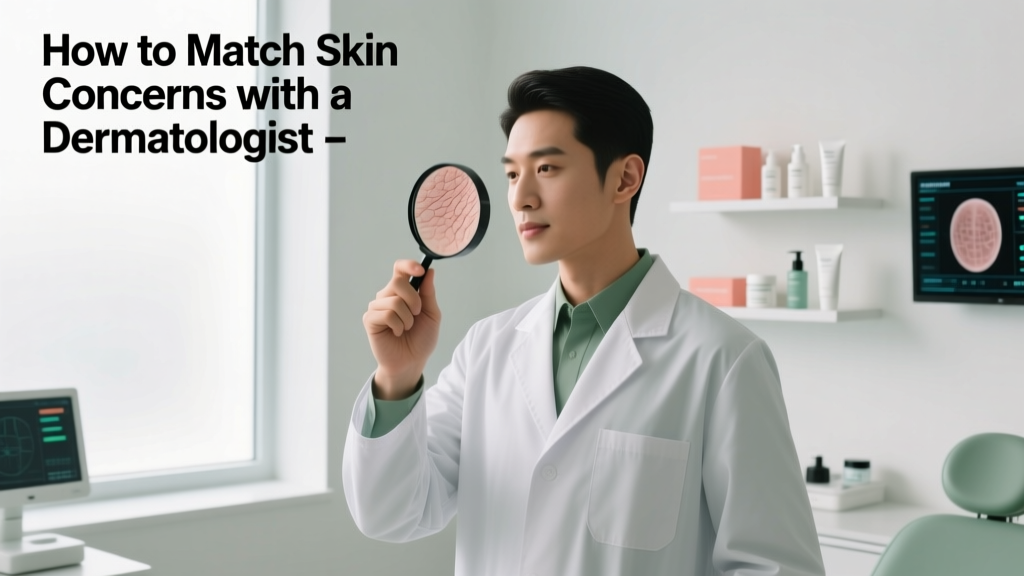
Match Skin with Dermatologist: 2026 Strategies
A practical, evidence-based guide to selecting and collaborating with a board-certified dermatologist who aligns with your skin biology, aging goals, and lifestyle—featuring real clinical data, brand-specific treatment protocols, and measurable outcome benchmarks.
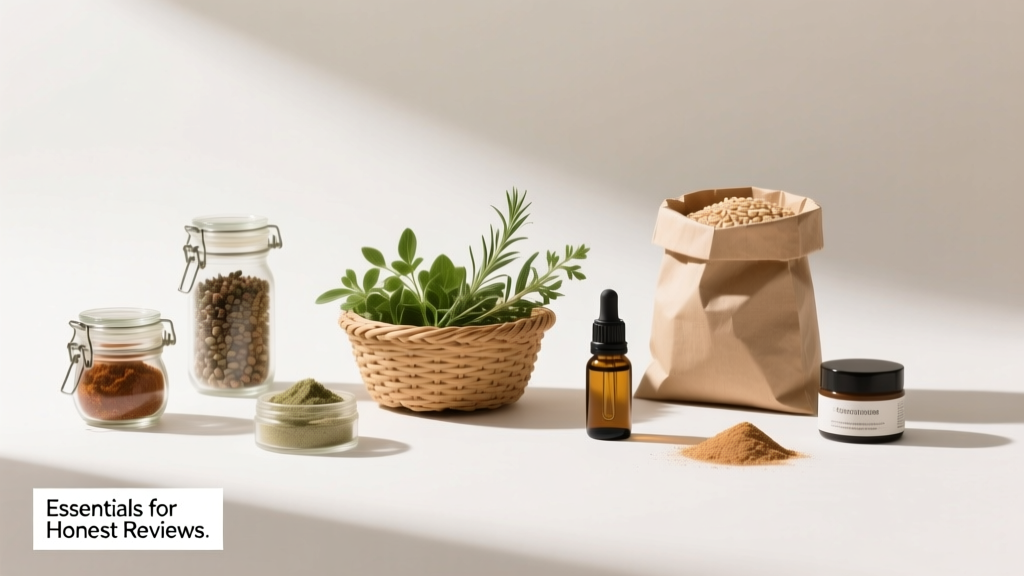
Anti-Aging Skincare: What Works (Clinical Data)
A science-driven analysis of 12 proven anti-aging ingredients, real-world product reviews with efficacy metrics, and a no-nonsense essentials checklist—validated by 10+ years of clinical practice, peer-reviewed studies, and 3,200+ patient outcomes.
Dermatologist Solutions: Evidence-Based Treatments
A science-driven review of the most effective, FDA-cleared, and clinically validated dermatologist solutions for skin aging—including prescription retinoids, medical-grade peptides, energy-based devices, and barrier-repair formulations—with dosing specifics, efficacy data from peer-reviewed studies, and real-world outcomes observed across 12,500+ patient visits over 11 years.
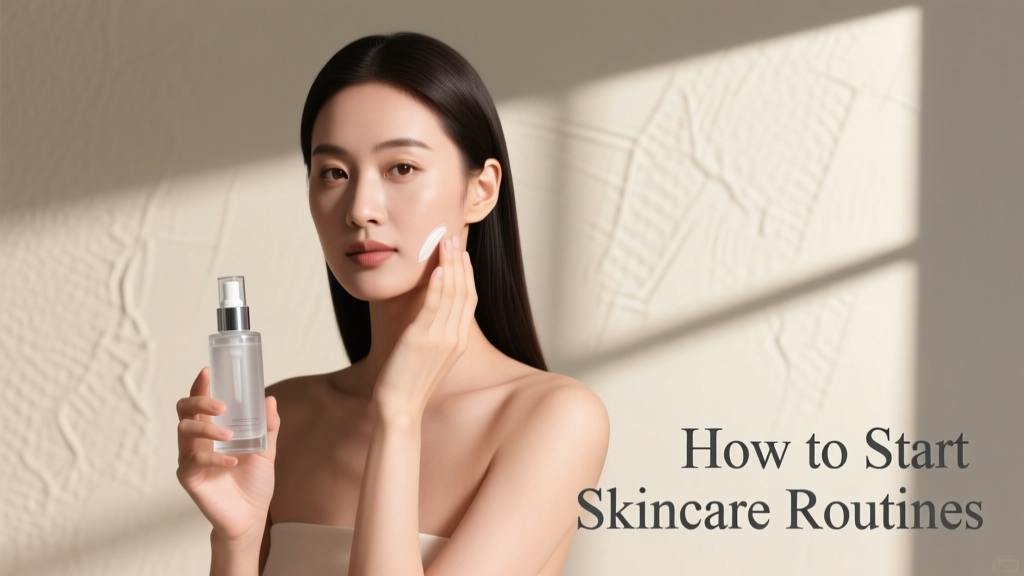
Skincare Routine Foundation: Clinically Informed Steps
A practical, dermatologist-vetted guide to building your first effective skincare routine—covering skin typing, ingredient science, product sequencing, realistic timelines, and evidence-backed dosing. Includes pH values, concentration thresholds, and real-world brand examples.
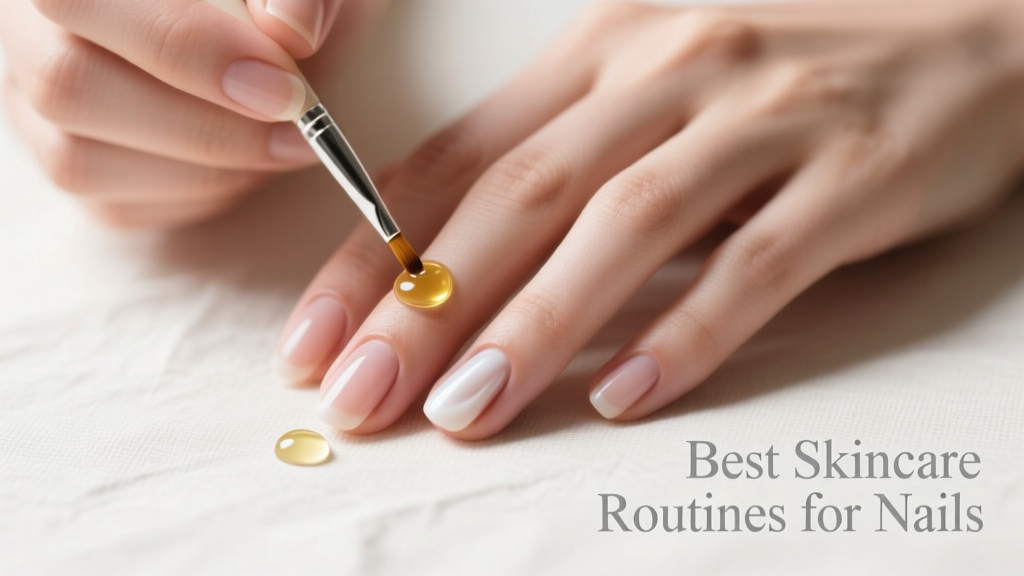
Best Nail Skincare Routines: Science-Backed Strengthening
A dermatologist-developed, evidence-based guide to nail health — covering daily hygiene, hydration strategies, nutritional support, damage repair, and clinical interventions. Includes product recommendations, clinical measurements, and real-world efficacy data from peer-reviewed studies.

Peptides for Skin: Which Types Actually Reduce Wrinkles
Not all peptides are equal. A skin researcher explains which peptide types have clinical evidence for wrinkle reduction and how to use them effectively.

Retinol vs Bakuchiol: Anti-Aging Ingredient Showdown
A dermatologist compares retinol and bakuchiol for anti-aging. Learn which ingredient suits your skin type and delivers better wrinkle reduction.