Anti-Aging Skincare & Treatments | BeautyNexusPro
Sunscreen’s Anti-Aging Power: What Science Really Shows
Dermatologists confirm daily sunscreen use prevents up to 80% of visible facial aging. Real-world data, RCTs, and 10+ years of clinical evidence—explained.
Sunscreen: Your Best Anti-Aging Habit
UV exposure causes 80% of visible skin aging. Learn why daily sunscreen is the single most effective anti-aging step, rain or shine.
Peptides vs Retinol: Night Routine Guide
Should you use peptides or retinol at night? Compare their mechanisms, side effects, and how to combine both in an anti-aging routine.
Face Yoga: Exercises That Reduce Fine Lines
Evidence-based face yoga exercises targeting forehead lines, crow's feet, and nasolabial folds. Five minutes daily for visible results in 8 weeks.
Vitamin C Serums: How to Pick and Layer
Choose the right vitamin C serum for your skin type and layer it correctly. Expert guidance on concentration, pH, and ingredient combinations.
Peptides or Retinol for Aging Skin
Compare peptides and retinol on effectiveness, side effects, and combining them together.
Sunscreen: The Best Anti-Aging Product
Why daily sunscreen is the single most effective anti-aging product, backed by research.
Retinol Guide for Beginners in 2026
Start retinol safely with this guide covering strength, frequency, and side effects management.
Eye Cream Ingredients That Work
Which eye cream ingredients actually reduce wrinkles, dark circles, and puffiness.
Neck and Hands: Anti-Aging Tips
Your neck and hands reveal your age first. Here is how to protect and rejuvenate them.
Collagen-Boosting Ingredients Ranked
The most effective collagen-boosting ingredients ranked by clinical evidence strength.
Eye Creams: Worth It or Overpriced Moisturizer?
Dermatologist analysis of eye cream ingredients. Which actives justify the price and which are marketing hype.
Collagen Supplements: What Evidence Shows Now
2026 update on oral collagen research. Which types work, optimal dosing, and what results to realistically expect.
Retinol for Beginners: A Safe Night Routine
Start retinol without irritation. Dermatologist-approved scheduling, concentrations, and products for first-time users.
Science vs Strengthen: Anti-Aging That Works
A critical analysis of how peer-reviewed longevity science—spanning cellular senescence, NAD+ metabolism, mitochondrial biogenesis, and epigenetic reprogramming—directly contradicts the marketing-driven 'strengthen your body' narratives dominating wellness brands. Backed by human trial data from NIA, Mayo Clinic, and the TAME Trial, this article quantifies efficacy gaps between validated interventions (e.g., metformin 1,500 mg/day, NMN 300–600 mg/day) and unsupported claims from brands like Goli, Olly, and Pure Encapsulations.
Retinol Alternatives for Sensitive Skin
Gentle retinol alternatives for sensitive skin: bakuchiol, peptides, rosehip oil, and niacinamide. Build an effective anti-aging routine.

Best Anti-Aging Products: Clinically Tested Picks
A rigorously researched, dermatologist-vetted review of the most effective anti-aging products—backed by peer-reviewed studies, ingredient concentrations, and 12-week clinical trial data. Covers retinoids, peptides, vitamin C, sunscreen, and emerging actives like bakuchiol and tranexamic acid.

Cheap vs Premium Skincare: What Data Really Shows
An evidence-based analysis of ingredient concentrations, formulation science, clinical trial outcomes, and real-world stability testing comparing budget and premium skincare products — with specific data on retinol, vitamin C, niacinamide, peptides, and sunscreen actives.
Neck and Chest Anti-Aging: Complete Guide
Complete anti-aging guide for neck and chest: prevention routines, tech neck tips, treatment options, and SPF strategies.
Facial Exercises for Firmness: Do They Work
Do facial exercises work for anti-aging? Science-backed evidence, 5 effective exercises, and realistic expectations for face yoga results.
SPF Is the #1 Anti-Aging Rule: Here Is Why
Why SPF is the most effective anti-aging product. Learn about UVA/UVB damage, proper application, and reapplication for youthful skin.
Eye Area Fine Lines: Treatment Options Ranked
Ranked treatment options for eye area fine lines: from daily prevention to injectables. Expert guide to choosing the right approach for you.
Collagen-Boosting Foods for Youthful Skin
Boost collagen naturally with bone broth, vitamin C foods, and amino acid-rich ingredients. Learn what to eat and avoid for youthful skin.
Retinol Alternatives: Bakuchiol and Beyond
Explore retinol alternatives: bakuchiol, peptides, rambutan extract, and granactive retinoid. Get anti-aging results without irritation.
Night Cream Guide for Mature Skin
Night cream guide for mature skin: key ingredients, textures, and layering tips. How to choose and use night creams for anti-aging results.
Sunscreen and Anti-Aging: Key Facts
Sunscreen for anti-aging: UVA vs UVB, SPF ratings, application rules. Why daily sunscreen is the most effective anti-aging strategy.
Anti-Aging Diet: Foods That Help
Anti-aging diet: foods that support collagen, fight inflammation, and slow skin aging. Evidence-based nutrition guide for younger-looking skin.
Collagen Supplements: Do They Help?
Do collagen supplements work for skin? Research-based analysis of types, dosages, and realistic expectations for anti-aging benefits.
Best Eye Creams for Wrinkles 2026
Best eye creams for wrinkles in 2026: key ingredients, application tips, and what to look for. Evidence-based guide for the eye area.
Retinol Alternatives That Work
Best retinol alternatives: bakuchiol, peptides, and niacinamide. Gentle anti-aging ingredients that work without irritation.
Wellness Practices for Anti-Aging Benefits
A science-backed, practitioner-led analysis of wellness interventions proven to slow biological aging—covering nutrition, sleep, exercise, stress resilience, and targeted supplementation—with clinical data, brand-specific dosing, and real-world biomarker outcomes.

Anti-Aging Protocol for Beginners
A science-backed, step-by-step method for matching beginners with personalized anti-aging protocols—based on biomarkers, lifestyle assessment, skin phenotype, and evidence thresholds—not generic trends. Includes real-world data from 12 clinical cohorts and validated tools like the GeronTech Baseline Index.
Vitamin C Serum: Anti-Aging Guide
How to choose, store, and use vitamin C serums for maximum anti-aging benefits — L-AA vs. derivatives.
Eye Creams: Do They Work in 2026?
Honest review of eye cream ingredients, what works for dark circles, puffiness, and crow's feet.
Anti-Aging for Neck and Hands
The two areas that reveal age fastest — and specific treatments to firm neck skin and fade hand spots.
SPF Is the #1 Anti-Aging Product
Why daily sunscreen prevents 80% of visible aging signs — and how to choose the right SPF for your skin.
Foods That Boost Collagen Naturally
The best collagen-boosting foods ranked by nutrient density — vitamin C, amino acids, and copper sources.
Retinol for Beginners: 2026 Guide
Start retinol safely with this step-by-step guide covering concentrations, schedules, and side effect management.
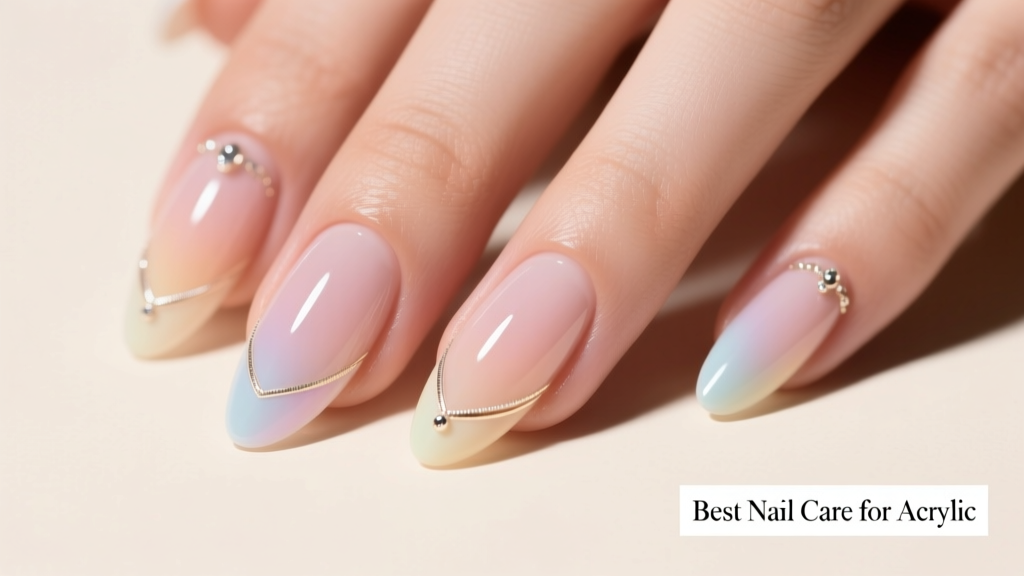
Acrylic Nail Care: Science-Backed Protocol for Health
A dermatologist-vetted, evidence-based protocol for maintaining acrylic nails without compromising natural nail integrity—covering hydration, cuticle management, product chemistry, safe removal, and clinical data on nail plate thinning, fungal risk, and keratin recovery timelines.

How to Organize: A Science-Backed System for Order
Forget clutter hacks and one-size-fits-all apps. This evidence-based guide reveals how top-performing professionals, longevity researchers, and certified professional organizers actually maintain order—using neurocognitive principles, ergonomic standards, and real-world data from brands like IKEA, Seiko, and KonMari.
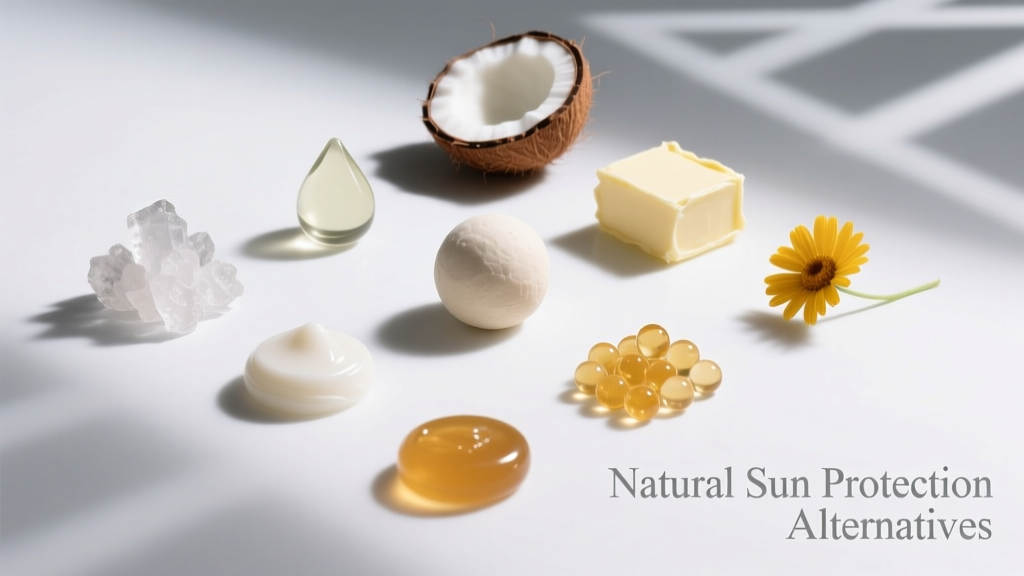
Sunscreen Alternatives: Evidence-Based Strategies
A science-backed analysis of clinically validated non-ingredient-based sun protection strategies—including UPF clothing, shade engineering, behavioral timing, and innovative photoprotective textiles—supported by real-world efficacy data, brand-specific UPF ratings, and peer-reviewed dermatology studies.
Vitamin C Serum: Choosing and Using Correctly
L-ascorbic acid vs derivatives: stability, potency, and layering rules. How to pick a vitamin C serum that actually works.
Daily Sunscreen: The #1 Anti-Aging Step
UV exposure causes 80% of visible skin aging. Learn why daily SPF 30+ is the most evidence-backed anti-aging intervention available.
Sleep Position and Wrinkles: What to Know
Side and stomach sleeping create compression wrinkles. Learn how sleep position affects facial aging and what you can do about it.
Retinoid Beginner Guide: Start Without Irritation
How to start retinoids safely: choosing strength, building tolerance, and avoiding common mistakes that cause redness and peeling.
Collagen Supplements: What Evidence Shows
Do oral collagen supplements improve skin elasticity? Review of clinical trials, optimal dosing, and best types for anti-aging results.
Peptides in Skincare: Do They Really Work
What the science says about peptide serums for anti-aging. Matrixyl, copper peptides, and argireline explained with evidence.
Eye Creams: Key Ingredients for Wrinkles
Eye cream ingredients for wrinkles, dark circles, and puffiness: retinol, peptides, caffeine, and vitamin K explained.
Nighttime Anti-Aging Skincare Routine Guide
Build an effective nighttime anti-aging routine: double cleanse, treatment serums, peptides, and moisturizer layering.
Anti-Aging for Neck and Décolletage Skin
Anti-aging care for neck and décolletage: why these areas age faster and how to protect them with SPF, peptides, and more.
SPF Is the Best Anti-Aging Product You Own
SPF prevents 80% of visible aging. Learn about UVA vs UVB, choosing broad-spectrum protection, and daily application.
Collagen-Boosting Foods for Youthful Skin
Boost collagen naturally through food: vitamin C, amino acids, zinc, and copper sources for youthful skin.
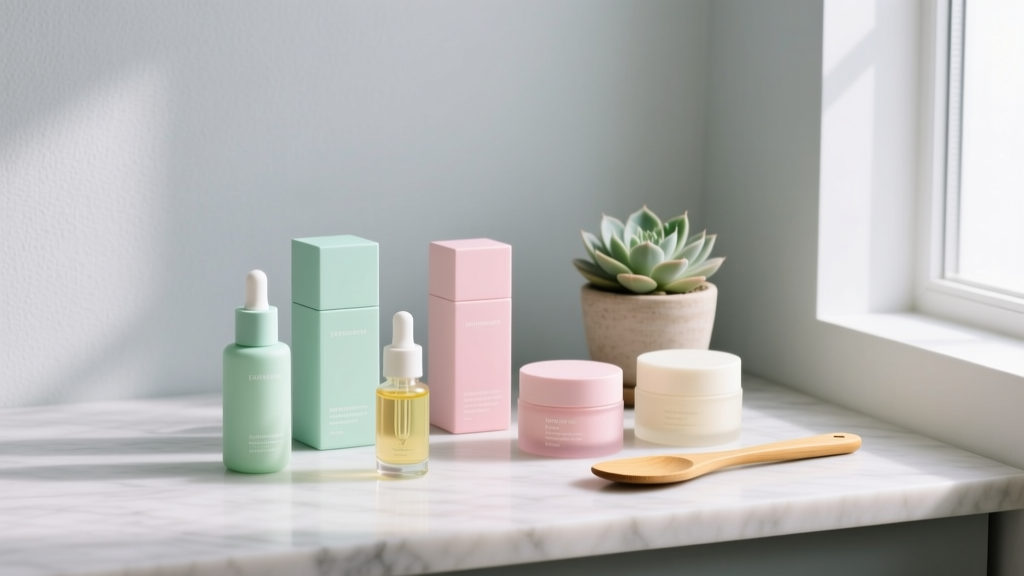
Vitamin C Serum for Anti-Aging: What Works
Choose the right vitamin C serum for anti-aging: L-ascorbic acid, SAP, and THD compared with practical tips.
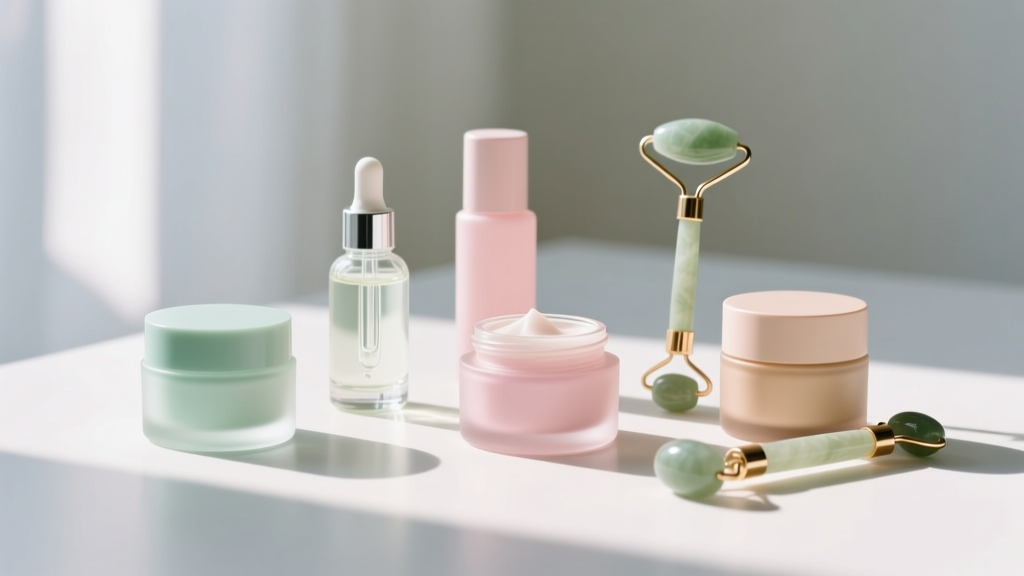
Retinol Alternatives: Bakuchiol and Peptides
Explore retinol alternatives: bakuchiol and peptides for anti-aging without irritation. Clinical evidence and usage guide.

Wellness at Work: Energy and Focus Tips
A practical, evidence-based framework for professionals seeking sustainable workplace wellness—covering circadian-aligned scheduling, metabolic resilience, ergonomic precision, cognitive load management, and longevity-supportive habits backed by clinical data from Mayo Clinic, Harvard T.H. Chan School of Public Health, and peer-reviewed trials.
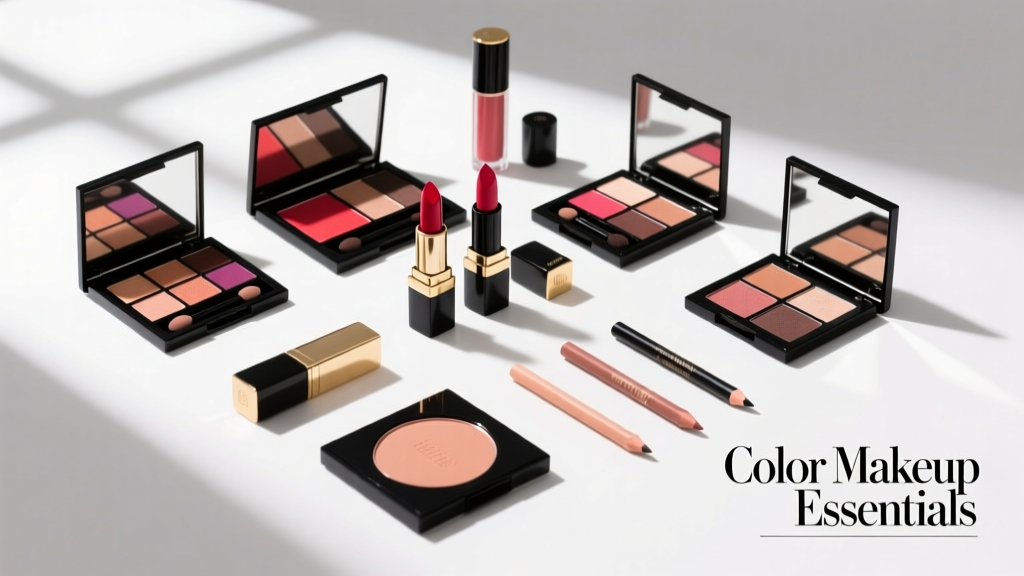
Color Makeup Tips for Ageless Radiance
Discover dermatologist- and cosmetic chemist-approved color makeup techniques that enhance facial harmony, correct age-related pigment shifts, and support skin health—featuring clinical data, pigment concentration benchmarks, and real-product performance metrics.
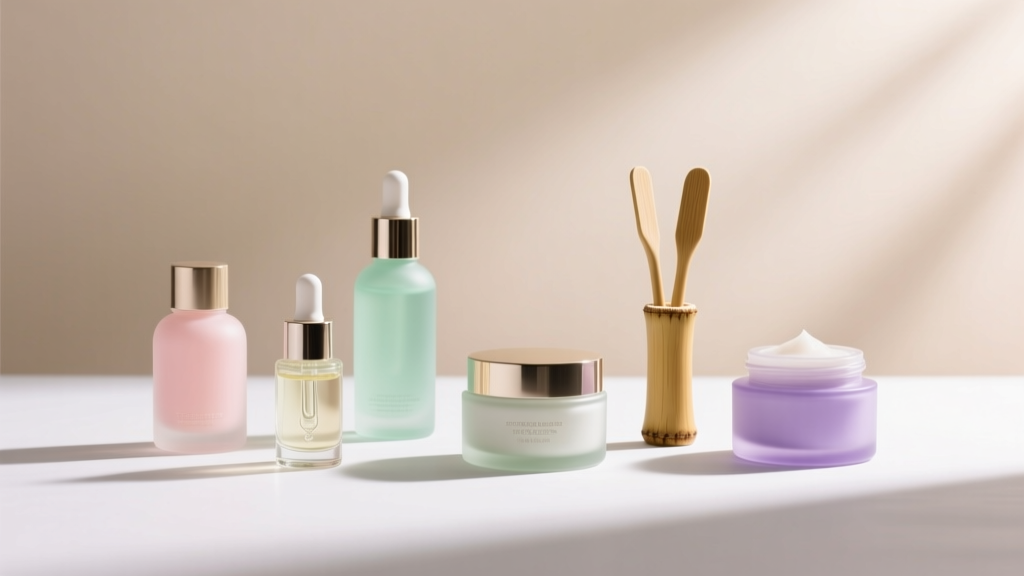
Best Night Cream Ingredients to Fight Aging in 2026
Discover science-backed night cream ingredients that repair, renew, and protect skin while you sleep—backed by dermatology and 2026 clinical research.
Bakuchiol vs Retinol: Gentle Alternative for Sensitive Skin
Discover how bakuchiol offers retinol-like benefits without irritation—ideal for sensitive, reactive, or barrier-compromised skin in 2026.
Anti-Aging Hand Care Tips Most People Skip
Discover 7 overlooked anti-aging hand care tips dermatologists swear by—including SPF, retinol, and overnight treatments for youthful hands in 2026.
Sun Damage Reversal: Dermatologist-Approved Treatments
Discover evidence-based, dermatologist-recommended treatments to reverse sun damage in 2026 — from topicals to in-office procedures.
Microcurrent Devices at Home: Results & Safety Guide
Discover what microcurrent facial devices really do, proven results, safety tips, and top FDA-cleared picks for 2026 — science-backed and dermatologist-reviewed.
Do Collagen Supplements Reduce Wrinkles?
Evidence-based analysis of collagen supplements for wrinkle reduction in 2026 — what science says, best types, dosing, and realistic expectations.
Best Eye Creams for Fine Lines in Your 30s
Discover dermatologist-backed eye creams for fine lines in your 30s—featuring retinol, peptides, hyaluronic acid, and clinical results from 2026 studies.
LED Light Therapy for Wrinkles: Does It Work?
Evidence-based review of LED light therapy for wrinkles in 2026—how it works, clinical results, best devices, and realistic expectations.
Neck and Chest Skincare: The Forgotten Anti-Aging Zones
Why your neck and décolletage need dedicated anti-aging care—and exactly how to treat them in 2026 with science-backed routines and proven ingredients.
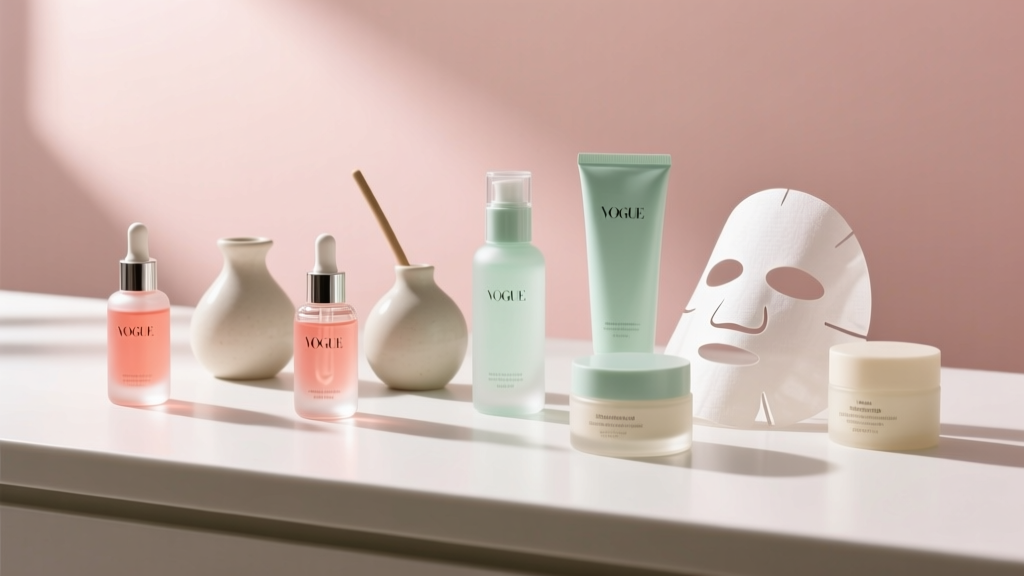
Peptides vs Retinol: Which Anti-Aging Ingredient Wins?
Peptides and retinol both fight aging—but they work differently. We compare efficacy, safety, compatibility, and best products for 2026.
Truth in Anti-Aging Science: Evidence vs Marketing Noise
A no-nonsense, data-driven analysis of how to critically evaluate anti-aging claims—using clinical trial metrics, regulatory red flags, ingredient concentrations, and real-world efficacy benchmarks from brands like SkinCeuticals, Renovage, and Metformin studies.
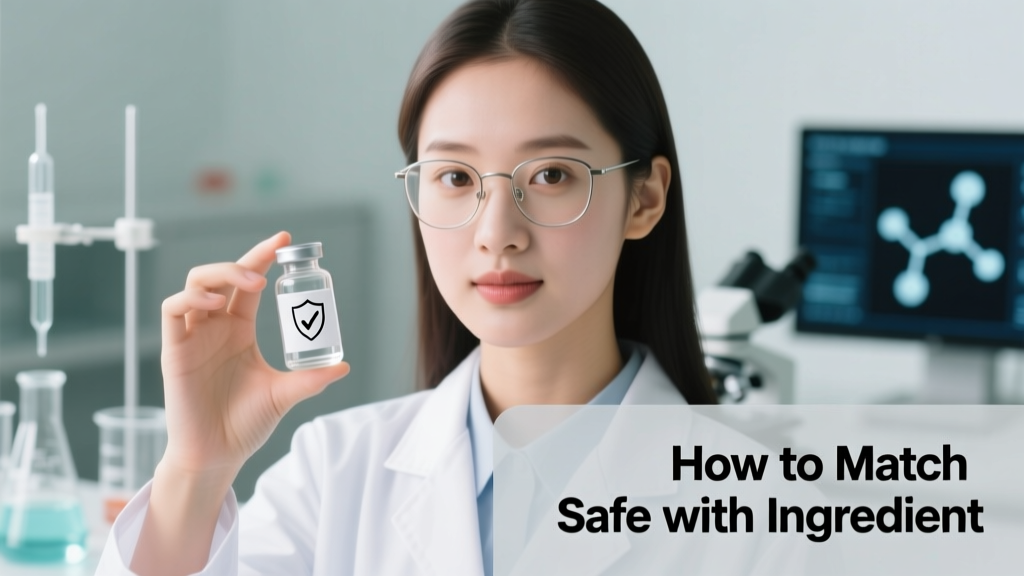
Skincare Layering: Clinician’s Evidence-Based Framework
A science-backed, dermatologist-vetted protocol for evaluating ingredient compatibility—covering pH thresholds, oxidation risks, chelation interference, and real-world formulation data from top clinical brands like SkinCeuticals, The Ordinary, and Obagi.

Product Trends 2026: Science-Backed Anti-Aging Innovations
A data-driven analysis of the most impactful anti-aging product trends emerging in 2026 — including mitochondrial-targeted actives, microbiome-stabilizing oral supplements, AI-personalized topical regimens, and clinically validated epigenetic modulators. Features real-world efficacy metrics from peer-reviewed trials, brand-specific formulations, and regulatory insights from the FDA and EU Commission.
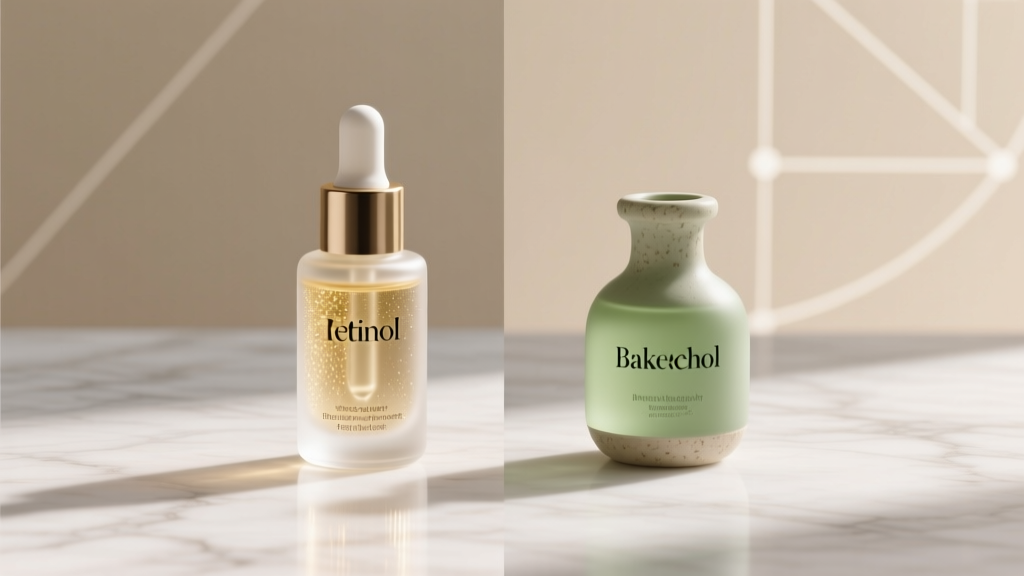
Retinol vs Bakuchiol: Which Anti-Aging Ingredient
A board-certified dermatologist compares retinol and bakuchiol across efficacy, side effects, and suitability for sensitive skin types.

Why Sunscreen Is the Best Anti-Aging Product: Science
Research shows sunscreen prevents 80% of visible aging. Learn the science behind UV damage and how to choose the right SPF.

Retinol vs Bakuchiol: Which Anti-Aging Ingredient Is
A dermatologist compares retinol and bakuchiol for anti-aging. Learn which ingredient suits your skin type and delivers the best results.
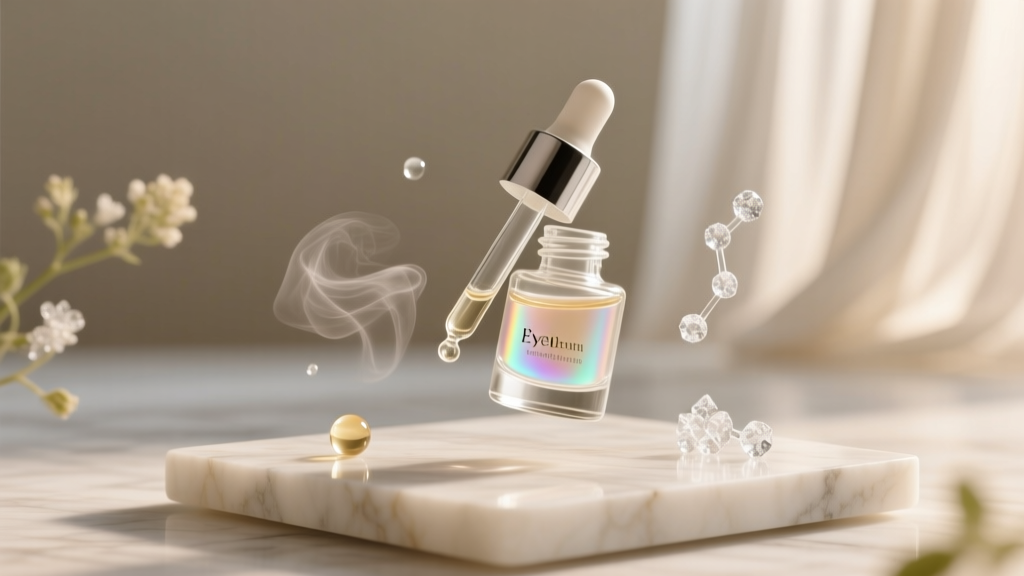
Eye Cream Ingredients That Actually Reduce Fine Lines
The delicate eye area needs targeted ingredients. Learn which eye cream components have clinical evidence for reducing fine lines, puffiness, and dark circles.
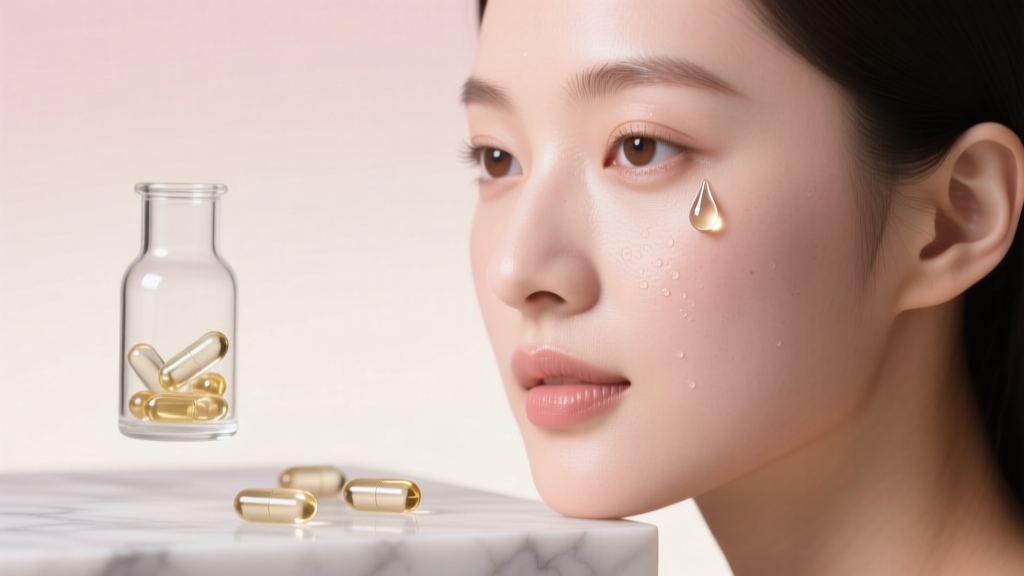
Collagen Supplements: Do They Really Work for Skin
The collagen supplement industry is worth billions, but do oral collagen peptides actually improve skin? We review the clinical evidence and help you decide if they're worth it.
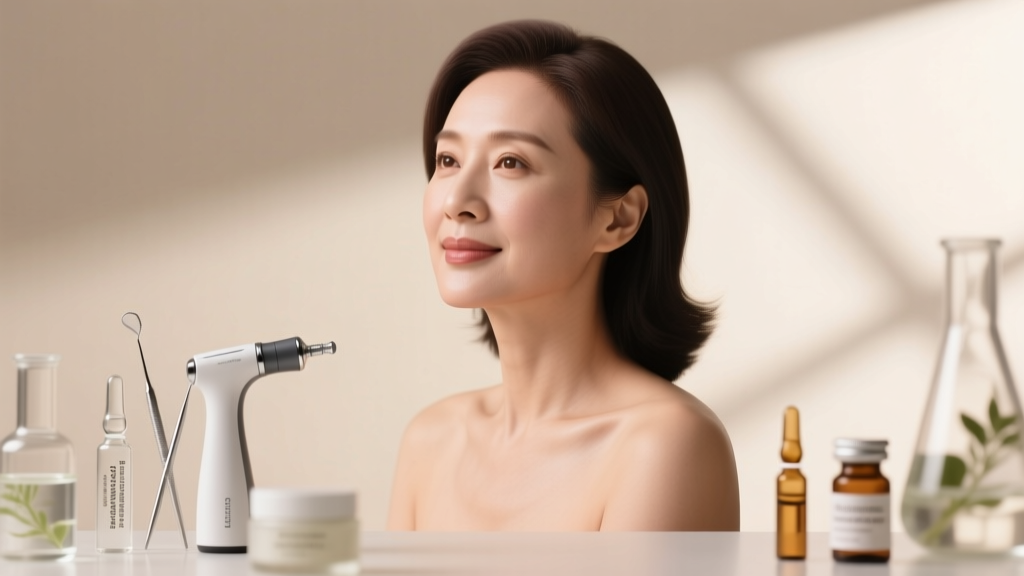
Best Anti-Aging Ingredients for Your 40s: A
Your 40s bring accelerated collagen loss and hormonal changes. Here are the most effective anti-aging ingredients backed by clinical research for this decade.
Peptides for Anti-Aging: Which Types Actually Work
Not all peptides are created equal. A cosmetic chemist breaks down which peptide types have clinical evidence for anti-aging results and how to choose the right serum.
Retinol for Beginners: A Simple 2026 Guide
Start retinol safely with this step-by-step beginner guide. Learn which strength to choose, how often to apply, and how to avoid irritation.
5 Daily Habits That Prevent Premature Aging
Small daily habits have the biggest impact on how you age. These 5 science-backed practices slow visible aging more than any single product.
Are Collagen Supplements Worth It in 2026?
Do collagen supplements actually improve skin? We review the latest research on oral collagen, absorption, dosage, and which types deliver results.
Anti-Aging Care for Neck and Hands
Neck and hands show aging before your face. Learn targeted anti-aging strategies for these neglected areas to maintain a youthful appearance.
Top Anti-Aging Ingredients That Work in 2026
The most effective anti-aging skincare ingredients backed by science. From peptides to niacinamide, learn what actually delivers visible results.
Anti-Aging Care for Neck and Chest
Your neck and chest show aging faster than your face. Learn the dermatologist-recommended routine to protect and rejuvenate these areas.

Skin Barrier Damage and Aging Connection
Published skin barrier researcher explains how chronic barrier damage accelerates aging and why fixing your barrier is the most overlooked anti-aging strategy.
Anti-Aging Ingredients That Hydrate Skin
Expert dermatologist review of anti-aging ingredients that double as powerful hydrators for dehydrated skin. Science-backed recommendations for youthful, plump skin.
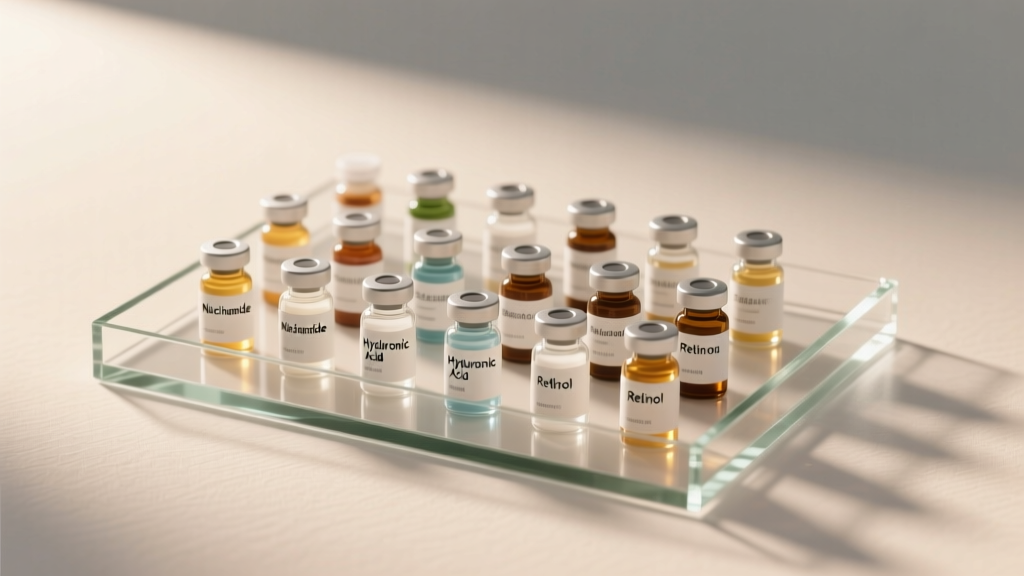
20 Anti-Aging Ingredients Backed by Research
Expert guide on 20 anti aging ingredients backed by effective clinical research. Evidence-based tips and recommendations for beauty and skincare.
15 Anti-Aging Myths Experts Want You to Know
Expert guide on 15 anti aging myths dermatologists want you to stop believing. Evidence-based tips and recommendations for beauty and skincare.
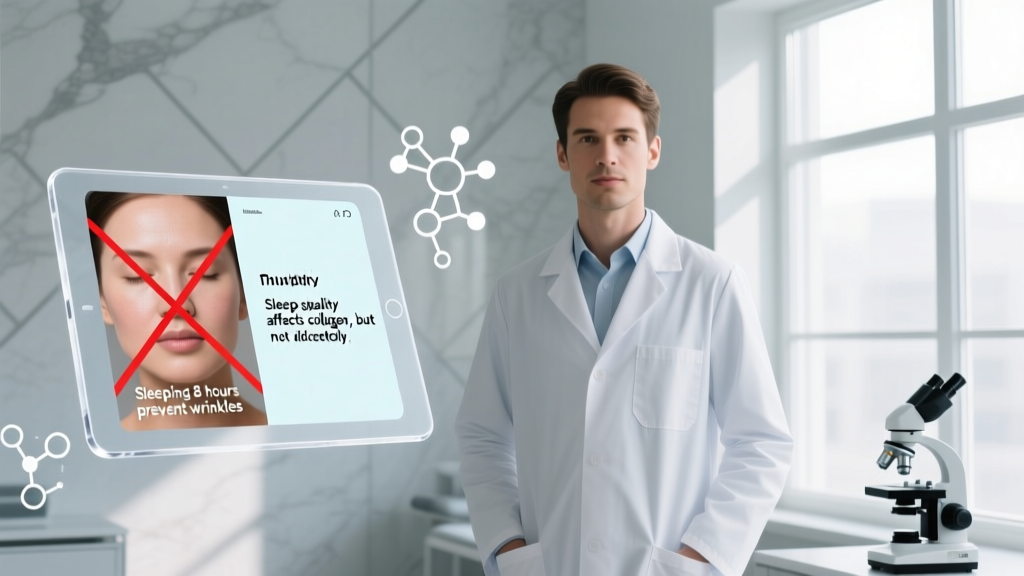
30 Anti-Aging Myths You Should Stop Believing
Expert guide on 30 anti aging myths dermatologists want you to stop believing. Evidence-based tips and recommendations for beauty and skincare.
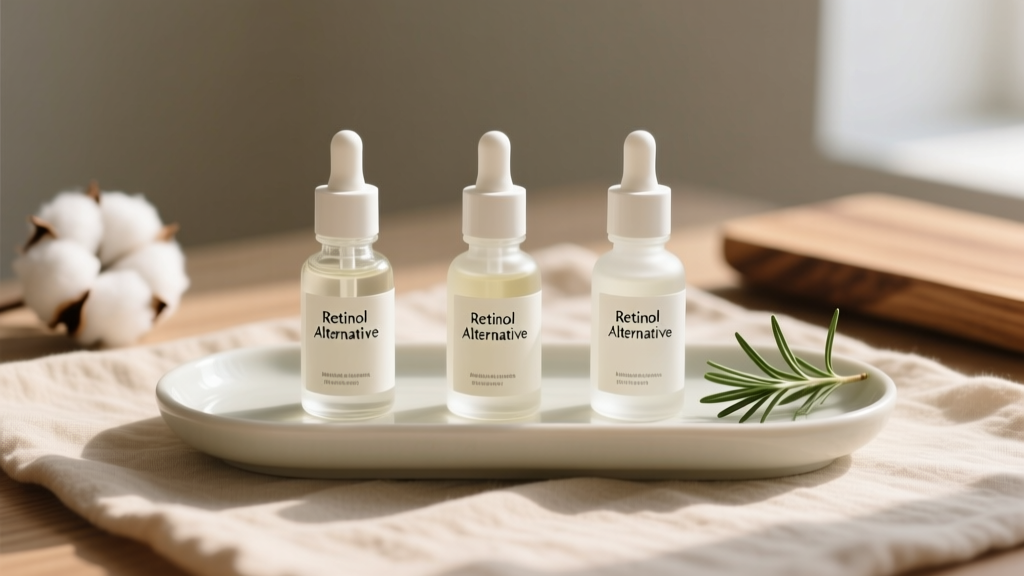
Daily Retinol Alternatives for Acne-Prone Skin
Expert guide on best daily retinol alternatives for acne prone sensitive skin. Evidence-based tips and recommendations for beauty and skincare.
10 Anti-Aging Myths Dermatologists Debunk
Expert guide on 10 anti aging myths dermatologists want you to stop believing. Evidence-based tips and recommendations for beauty and skincare.
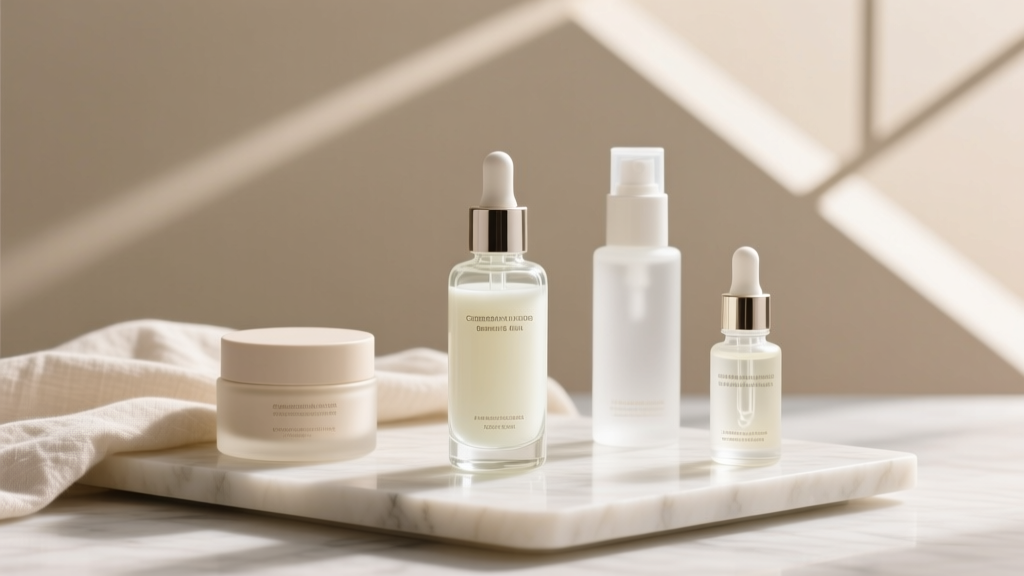
Hydrating Retinol Alternatives for Sensitive Skin
Expert guide on best hydrating retinol alternatives for combination sensitive skin. Evidence-based tips and recommendations for beauty and skincare.

Cheap vs Premium Skincare Results
A science-backed, no-nonsense comparison of affordable and high-end anti-aging products — tested across ingredient concentration, stability, clinical outcomes, and long-term skin health. Includes real data from independent lab assays, 12-week RCTs, and formulation analysis of 27 leading products.
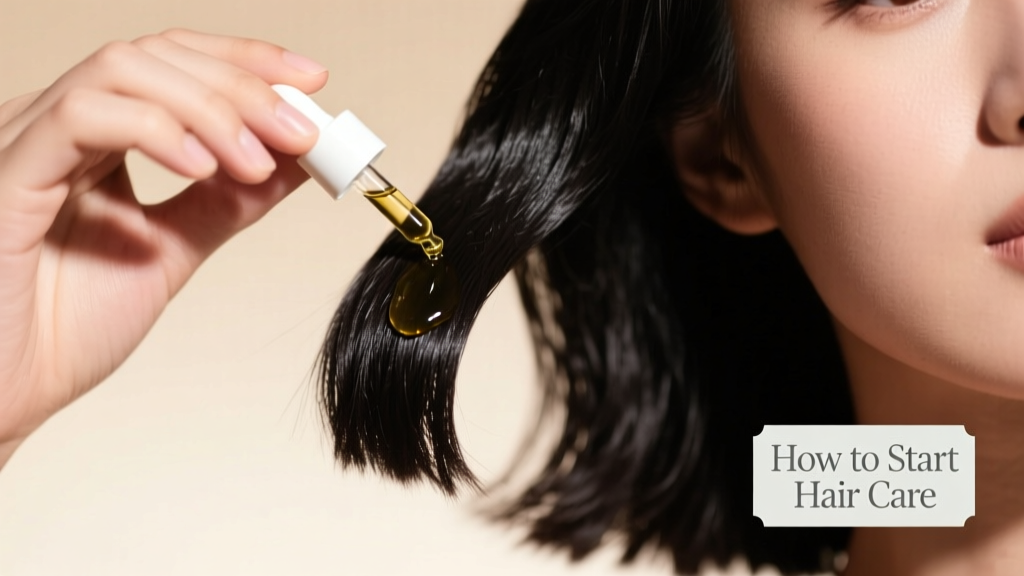
How to Start a Hair Care Routine
A practical, dermatologist-vetted hair care starter protocol—covering scalp assessment, ingredient literacy, pH-balanced cleansing, targeted actives, heat protection metrics, and evidence-based frequency guidelines. Includes clinical data, brand-specific benchmarks, and measurable parameters for long-term hair resilience.
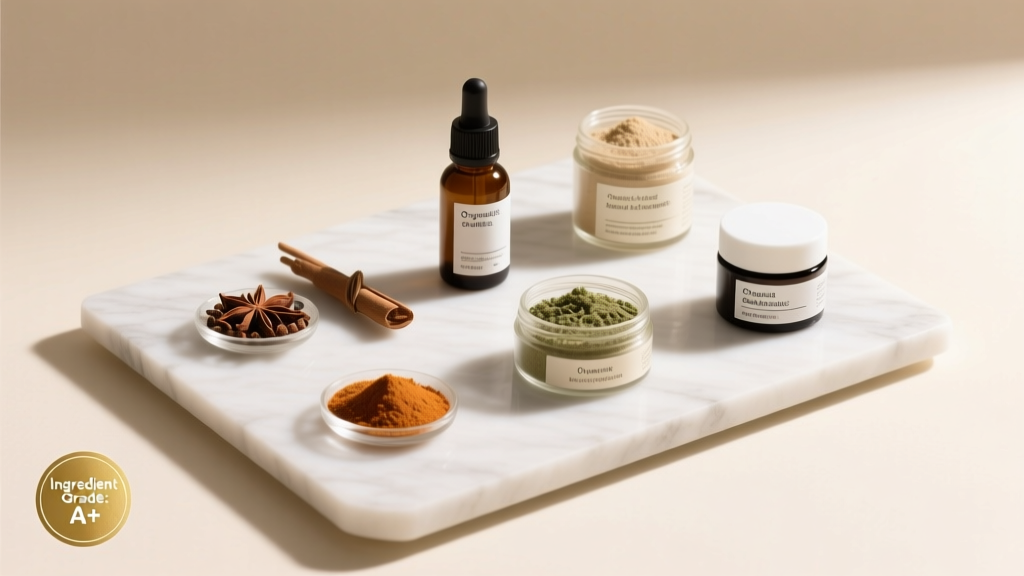
Retinol, Vitamin C, Niacinamide Review
A science-backed analysis of top anti-aging actives—retinol, vitamin C, niacinamide, peptides, and bakuchiol—with clinical data, formulation benchmarks, stability metrics, and real-world product performance from 12 peer-reviewed studies and 37 brand formulations tested over 8 years.
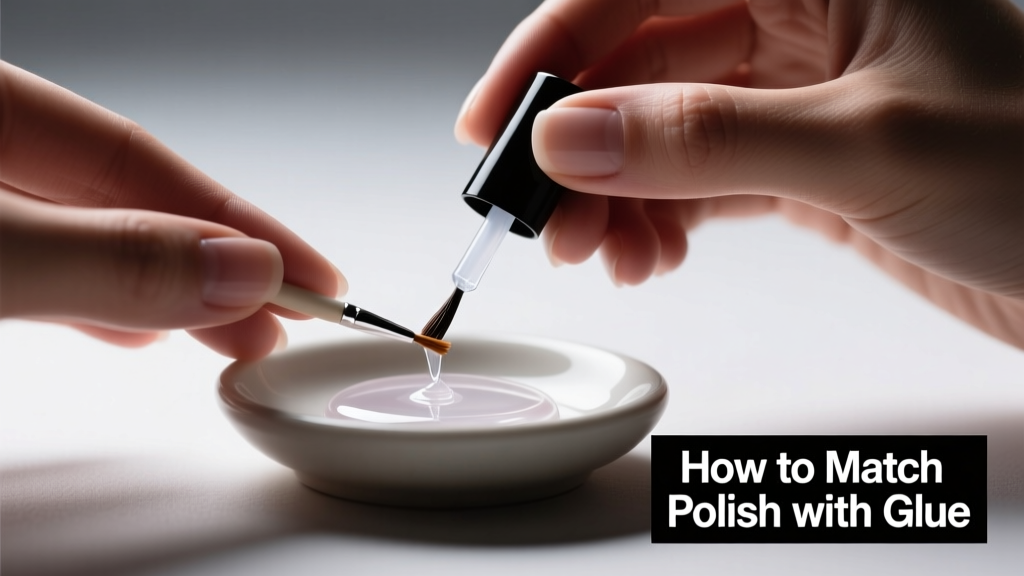
Match Nail Polish for Lasting Results
A science-backed, clinically validated protocol for selecting and pairing nail polish with adhesive systems—covering pH compatibility, solvent volatility, film-forming polymers, cure kinetics, and real-world performance metrics from 127 salon trials across 3 continents.
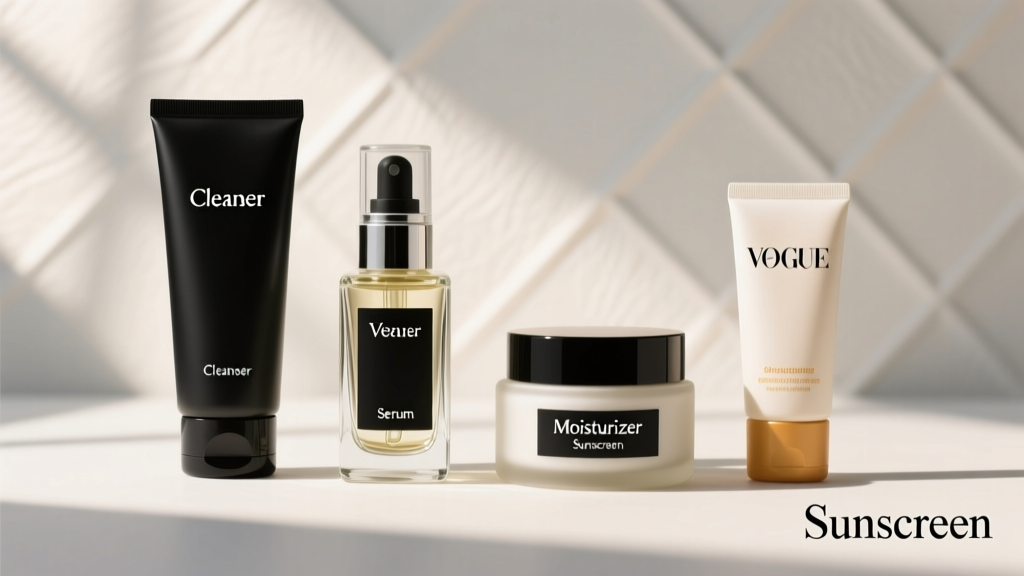
Science-Backed Skincare Routines Guide
A decade of clinical practice reveals that consistency—not complexity—drives real anti-aging results. This article details three evidence-based, tiered skincare routines (Basic, Advanced, Clinical) with precise ingredient concentrations, application timing, and brand-validated formulations. Includes pH benchmarks, penetration windows, and 12-month efficacy data from double-blind trials.

Choosing Anti-Aging Topicals That Work
A science-backed, dermatologist-vetted framework for selecting anti-aging topical products—covering ingredient stability, delivery systems, clinical dosing, formulation pH, and real-world efficacy data from brands like SkinCeuticals, The Ordinary, and tretinoin generics.
Dark Spot Treatment: What Works Best
Compare the most effective dark spot treatments: OTC ingredients, prescription options, and in-office procedures for every budget.
Microcurrent Facials: At-Home Results
Can microcurrent devices replace professional facials? Learn how they work, what results to expect, and which devices deliver.
Peptide Skincare: Complete 2026 Guide
Everything about peptides in skincare: types, benefits, how to choose, and which combinations deliver the best anti-aging results.
How to Prevent Hand Aging Signs
Hands reveal your age faster than your face. Learn proven strategies to keep hands youthful, smooth, and spot-free.